
Reviewed · BRITAIN
A Story of Discovery, Education and Remembrance
History feels different when you can trace it to a name. The International Bomber Command Centre offers a thoughtful look at World War II through personal stories, interactive galleries, and a striking memorial overlooking Lincoln. I especially like the chance to find individual names in the remembrance panels, and the free guided tour adds useful context to the gardens and memorial. The main consideration is location: despite the broader Nottingham listing, the attraction is in Lincoln, so you will need to plan transport accordingly.
I also like that this is not only an indoor museum. You can move from serious displays to peaceful gardens, then pause at the Hub Café for locally sourced food and drink. Allow at least two hours, and closer to four or five if you want time for all three galleries, the outdoor areas, a guided tour, and the café.
In This Review
- Key Points Before You Go
- Why This Visit Matters
- The 31.09-Meter Memorial
- Three Galleries and the Orchestra of Voices
- The Peace Gardens and a Quiet Pause
- How Much Time Should You Allow?
- The Hub Café and Other Practical Details
- Is This a Good Family Visit?
- What the High Ratings Mean
- A Few Limits to Keep in Mind
- Should You Book the International Bomber Command Centre?
- FAQ
- Where is the International Bomber Command Centre?
- How much does admission cost?
- How long does a visit take?
- What are the opening hours?
- Is a guided tour included?
- What can I see at the memorial?
- Does the centre have indoor exhibitions?
- Is the centre suitable for children?
- Can I cancel my booking?
Key Points Before You Go

- See Britain’s tallest metal war memorial: The 31.09-meter structure gives the visit a powerful focal point and wide views over Lincoln.
- Find the names of nearly 58,000 people: The remembrance panels and Losses Database help turn a huge wartime subject into individual human stories.
- Hear many sides of the conflict: Three interactive galleries use an Orchestra of Voices to present accounts from people on all sides.
- Take a free guided tour: Guides add meaning to the memorial, the gardens, and the choices behind the centre’s design.
- Plan for more than a quick stop: The site can fill two to five hours, especially if you have children or want to read the displays closely.
- Use the peaceful outdoor spaces: The two gardens provide a quiet pause after the more difficult material inside.
Why This Visit Matters

Bomber Command is one of the more difficult subjects in World War II history. The bombing campaign involved courage, sacrifice, military strategy, civilian suffering, and lasting moral questions. A good museum cannot reduce that story to simple heroes and villains, and this centre tries to keep those different viewpoints in the same room.
That approach is one of the strongest reasons to visit. The displays look at the people who served, the people who supported the campaign, and those affected on the ground. The aim is remembrance, but the centre also encourages you to think about the consequences of aerial warfare.
I appreciate that the experience does not rely only on dates, aircraft names, or military equipment. The focus is often on people. You can search the Losses Database and look for a particular individual among the names of almost 58,000 who died serving Bomber Command during the war.
If you have a family connection, allow extra time for this part. One visitor found a relative’s name on the memorial panels, turning a serious historical visit into a very personal one. Even without a family link, seeing thousands of names arranged together makes the scale of the loss easier to grasp.
Other trips around the UK people book alongside this one:
- London: The London Eye Entry Ticket
★ 4.6 · 35,875 reviews - From London: Harry Potter Warner Bros Studio Tour
★ 4.7 · 26,588 reviews - London: Westminster to Greenwich River Thames Cruise
★ 4.5 · 22,836 reviews
The 31.09-Meter Memorial
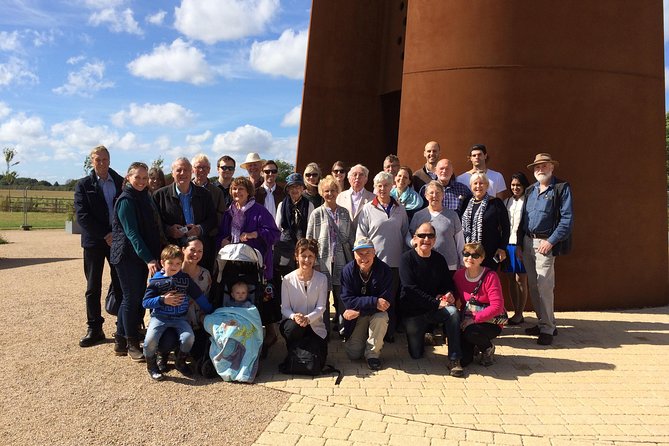
The memorial is the visual heart of the International Bomber Command Centre. At 31.09 meters high, it is the tallest metal war memorial in the United Kingdom. Its height gives it a solemn presence without making the site feel overbuilt.
The structure also serves a practical purpose. From this high point, you get broad views over Lincoln, giving you a sense of the setting rather than leaving you inside a sealed exhibition building. Bring a camera if you like architectural photographs, but expect the mood around the memorial to be quiet and reflective rather than playful.
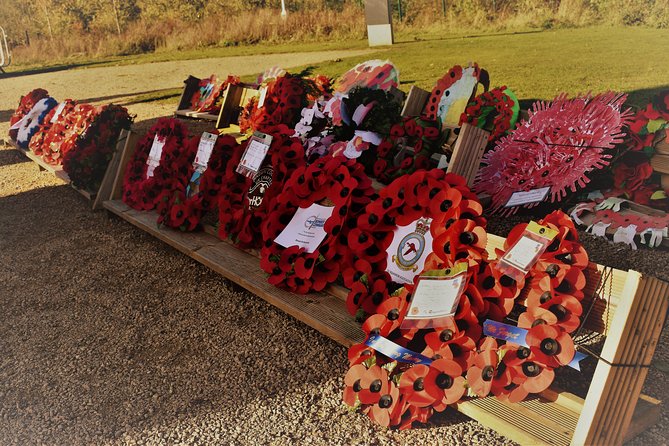
The names of those who died are displayed on remembrance panels around the site. This arrangement gives you room to walk, pause, and search. It is worth setting aside time for the panels instead of treating them as something to pass on the way to the café.
A guided tour can make the memorial easier to understand. Free tours of the memorial and gardens are available with experienced guides, and this was one of the most praised parts of the visit. The outdoor tour helps explain the symbolism and gives the memorial a human scale.
The exact tour schedule is not provided, so ask when you arrive. If you reach the centre early, there may be a chance to join a smaller group or receive more personal attention. One especially moving visit began with a personal tour because the guests arrived before others.
Three Galleries and the Orchestra of Voices
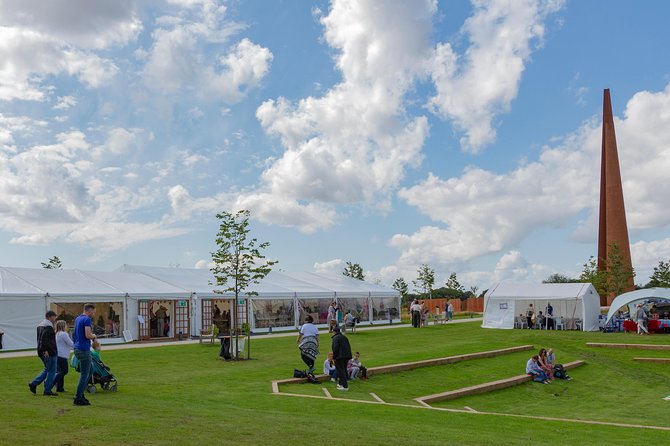
Inside, you will find three interactive exhibition galleries. Together, they explain Bomber Command through firsthand accounts and material from people on different sides of the conflict.
The interactive approach makes the centre more suitable for families than a room full of text panels. Children can use the hands-on elements while adults read the more detailed historical material. The displays still require attention, though. This is not a quick entertainment stop, and younger children may need help connecting the activities to the wider story.
The Orchestra of Voices is an important part of the indoor experience. Rather than presenting only one official version of events, it brings together many voices connected with the period. This can make the subject harder to process, but it also gives you a more honest sense of the choices and losses involved.
I would plan your visit around a slow walk through the galleries. Read the personal accounts, stop at the interactive sections, and give yourself time to consider what you have seen. The centre works best when you do not rush from exhibit to exhibit.
The indoor displays are also useful if the weather is poor. You can still have a worthwhile visit without spending much time outside, although the memorial and gardens are too important to skip if conditions allow.
The Peace Gardens and a Quiet Pause

The two Peace Gardens offer a welcome change of pace. After the galleries and remembrance panels, you can sit or walk in a calmer setting and think about the material without another display demanding your attention.
These gardens are not just decorative. Their quiet atmosphere supports the centre’s purpose of remembrance. They also make the site more manageable for families and mixed-age groups, since not everyone will want to spend several hours reading military history.
The free outdoor tour usually includes the gardens as well as the memorial. I would take it if the timing works. The guide can point out details you might otherwise miss, and the outdoor setting gives you a better sense of how the memorial was designed.
Do not expect a conventional sightseeing garden with a long list of plants or formal attractions. The value here is the calm and the connection to the memorial. It is a place to slow down, not another major exhibit.
A different sort of outing around the UK:
- Magical London: Harry Potter Guided Walking Tour
★ 4.7 · 22,044 reviews - London: Madame Tussauds London
★ 4.6 · 20,915 reviews - Stonehenge, Windsor Castle, and Bath from London
★ 4.5 · 18,662 reviews - London: Warner Bros. Studio Tour with Transfers
★ 4.7 · 17,586 reviews
How Much Time Should You Allow?
The suggested visit length is about two to five hours. That range is realistic because the centre offers several different ways to spend your time.
Two hours may be enough for a focused visit. You can see the memorial, take a quick walk through the galleries, and spend a little time in the gardens. If you want to use the Losses Database or join a guided tour, you will need to move at a brisk pace.
Three to four hours is a better target for most people. That gives you time to read the displays, use the interactive features, visit the gardens, and stop at the café. Families may need longer, since children often spend extra time with hands-on exhibits.
One family stayed for four hours and still felt there was more to see. That is useful guidance if you are deciding between a short stop and a half-day visit. The centre rewards patience, particularly if you have a relative to find or a strong interest in wartime history.
The centre is open Tuesday through Sunday from 9:30 a.m. to 4 p.m. The stated operating dates run through February 3, 2027. Since opening information can change, check the current details before setting out.
The Hub Café and Other Practical Details
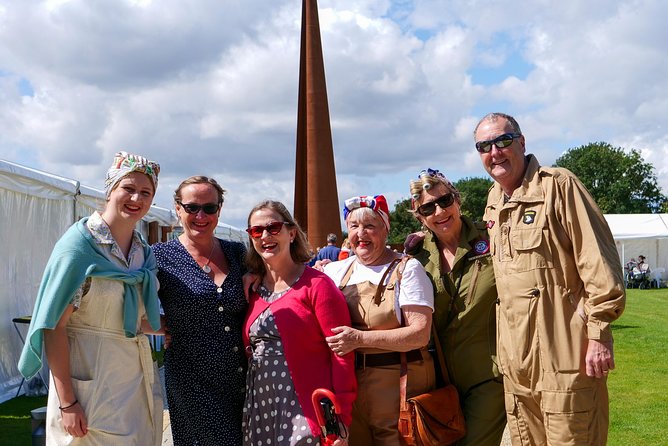
The Hub Café serves locally sourced food and drink. It is more than a backup plan for a tired group. A café break gives you a natural pause between the emotional indoor displays and the outdoor memorial.
Several comments praised the food, so I would consider eating here rather than treating the café as an afterthought. The provided information does not give a current menu, prices, or dietary details, so ask staff if you have particular needs.
Admission and all fees and taxes are included in the listed price of $15.94 per person. Parking fees are not included. At that price, the visit offers good value if you spend several hours on site, take the free tour, and use the galleries fully.
The price is especially reasonable for families who want an educational attraction with both indoor and outdoor areas. Still, remember that the total cost may rise once you add parking, transport, and café purchases.
The redemption point is the International Bomber Command Centre on Canwick Avenue, Lincoln, postcode LN4 2HQ. The centre is near public transportation, but the information provided does not specify routes or journey times. Check your transport plan before leaving, especially because the attraction is in Lincoln rather than Nottingham.
Service animals are allowed, and the centre has a Changing Places Facility. Most people can participate, although the displays deal with wartime death and destruction, so the subject may be too heavy for very young children.
Is This a Good Family Visit?
Yes, with some thought about age and temperament. The interactive displays give children something active to do, and one family found that their eight and ten-year-old children enjoyed the centre greatly. The hands-on elements make the subject more approachable than a traditional military museum.
You should still prepare children for serious content. The centre deals with wartime loss, bombing, and remembrance. A family visit works best when an adult is ready to explain difficult ideas and allow children to take a break in the gardens.
Teenagers and adults with an interest in history will likely get the most from the personal accounts and competing viewpoints. A family with a relative connected to Bomber Command may find the Losses Database and memorial panels particularly meaningful.
If you prefer a light attraction with quick photo opportunities, this is not the right choice. The metal memorial is striking, but the heart of the visit is reflection and learning.
What the High Ratings Mean

The centre has a 4.9 rating from 347 reviews, with 98 percent of people recommending it. The most consistent praise goes to four areas: the memorial, the exhibitions, the guides, and the staff.
The free guided tour receives special attention. Guides are described as informative and able to explain the memorial and gardens in a way that makes the experience more personal. Since no guide names are provided, ask at the welcome desk when the next tour starts.
The exhibitions also receive strong praise for combining static displays with interactive material. That mix helps adults and children use the centre in different ways. You can read at length, listen to personal accounts, or focus on the hands-on features.
The staff are frequently described as friendly and helpful. That matters at a remembrance centre, where a clear answer or a little patience can make it easier to approach the more personal sections.
The praise is not only about the amount of information. The strongest response comes from the way the centre connects large events to individual lives. That is why the memorial panels and Losses Database deserve more than a passing glance.
A Few Limits to Keep in Mind
This is an emotionally serious experience. You may leave inspired, but you may also need quiet time afterward. The gardens help, though the visit does not avoid the painful realities of the bombing campaign.
The site is also more substantial than the low ticket price might suggest. A short visit could feel rushed, especially if you want to join a tour and search the names database. Book it as a half-day activity rather than something to squeeze between several unrelated stops.
Parking costs extra, and the supplied details do not explain the parking arrangement. If you are driving, check this before arrival so the added cost does not surprise you.
Finally, the experience is offered in English. That is the only language listed, so you should plan accordingly if anyone in your group is not comfortable following English explanations.
Should You Book the International Bomber Command Centre?
You should book this experience if you want a serious, well-designed history visit that combines personal stories, memorial architecture, gardens, and useful guides. The $15.94 admission is strong value for two to five hours, especially with the free outdoor tour and the well-regarded café.
I would make it a priority if you have a family connection to Bomber Command, enjoy World War II history, or want a museum that presents more than one side of a difficult subject. Families with children around eight and older can also get a lot from the interactive galleries.
Skip it if you are looking for a fast, cheerful attraction or if you have no time to reach Lincoln and spend at least two hours on site. For the right visitor, though, this is a thoughtful and memorable stop, with the names, voices, and towering memorial doing far more than a standard military display could manage.
FAQ
Where is the International Bomber Command Centre?
The centre is at Canwick Ave, Lincoln, LN4 2HQ, UK. The supplied meeting point is in Lincoln, not Nottingham.
How much does admission cost?
The listed price is $15.94 per person. All fees and taxes are included, but parking fees are not.
How long does a visit take?
The approximate visit length is two to five hours. A shorter visit can cover the main highlights, while a longer stay allows time for all three galleries, the Losses Database, a guided tour, the gardens, and the café.
What are the opening hours?
The centre is open Tuesday through Sunday from 9:30 a.m. to 4 p.m. The provided operating dates run from March 17, 2020, through February 3, 2027.
Is a guided tour included?
Free tours of the memorial and gardens are available with experienced guides. The admission ticket is included, and you should ask at the centre for the current tour timing.
What can I see at the memorial?
You can see a 31.09-meter metal war memorial, described as the tallest metal war memorial in the United Kingdom. The site also displays the names of almost 58,000 people who died serving Bomber Command during World War II.
Does the centre have indoor exhibitions?
Yes. There are three interactive and immersive exhibition galleries, including the Orchestra of Voices, which presents perspectives from people on all sides of the conflict.
Is the centre suitable for children?
Most people can participate, and the interactive displays are suitable for families. The centre has been enjoyed by children aged eight and ten, but the subject includes wartime death and serious historical material.
Can I cancel my booking?
Free cancellation is available up to 24 hours before the experience start time for a full refund. Cancellations or changes made less than 24 hours in advance are not accepted for a refund.
Recently added around the UK
- Cairngorms & Whisky Day Tour from Inverness Including Admission★ 5.0 · 55 reviews
- PRIVATE HIRE 45 min Speedboat Tour – Embankment/Westminster Pier★ 5.0 · 55 reviews
- Fantastic Creatures of Edinburgh, and where to find them!★ 4.5 · 55 reviews
- E-bike excursion exploring the Purbecks★ 5.0 · 55 reviews
- From Edinburgh: Islay and The Whisky Coast 4-Day Tour★ 4.9 · 55 reviews
- ‘A Wee Pedal’s’ Family Friendly Cycle Tour to Edinburgh’s Coast★ 5.0 · 55 reviews
- Private Tour of London’s Historic Pubs★ 5.0 · 55 reviews
- From London: Glastonbury and Cheddar Gorge Guided Day Trip★ 4.8 · 55 reviews