
Reviewed · BUCKINGHAM PALACE TOURS
Buckingham Palace, St James Palace & Tea at Kensington Palace
Royal London is best seen on foot. This experience links St James’s Palace, Buckingham Palace, and Kensington Palace with a guide who adds the small stories you would likely miss alone. I like the small group limit of 10, usually just four to six people, and I like the private table for afternoon tea at Kensington Palace. The main drawback is that the walking tour does not include palace interiors unless you pay for state room admission separately.
The route also covers Spencer House, Clarence House, Wellington Arch, Apsley House, the Royal Albert Hall, and the Albert Memorial. At the end, you sit down to sandwiches, scones, clotted cream, jam, and seasonal cakes. Plan on public transport between parts of the route, bring a contactless card or Oyster card for the £1.75 bus fare, and expect more walking than the two-hour estimate may suggest.
In This Review
- Key things to know before booking
- What the royal walking tour actually includes
- Starting in Green Park and old St James’s
- Spencer House and the royal homes along The Mall
- Buckingham Palace without the usual time commitment
- Wellington Arch, Bomber Command, and Apsley House
- Royal Albert Hall and the Albert Memorial
- Kensington Palace and afternoon tea at the Orangery
- Is $173.45 good value?
- Timing, transport, and practical comfort
- Who will enjoy this royal day most?
- Should you book Buckingham Palace, St James’s Palace and tea at Kensington Palace?
- FAQ
- Where does the tour start?
- Where does the tour end?
- How long does the experience last?
- Does the tour enter Buckingham Palace?
- Does the tour enter St James’s Palace?
- Is afternoon tea included?
- Are dietary options available?
- How many people are in the group?
- Do I need to pay for transport?
- Can I cancel for a refund?
Key things to know before booking
- Small groups keep the royal walk personal: The maximum is 10 people, with four to six guests typical.
- The palaces are mainly viewed from outside: Entrance to state rooms is available only if selected at checkout.
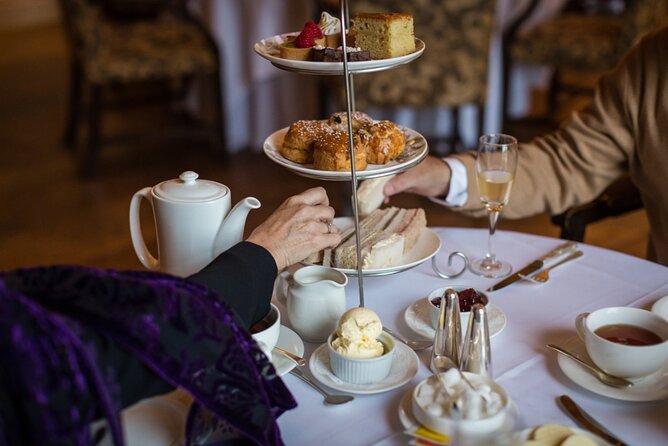
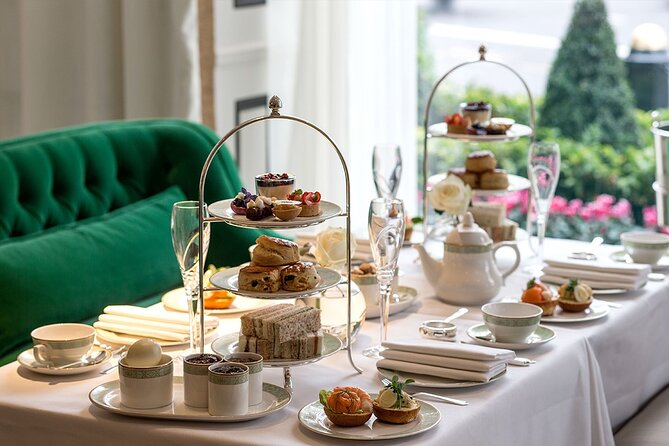
- Tea is served at Kensington Palace’s Orangery: You get a private table and a traditional spread of sandwiches, Welsh scones, and cakes.
- Simon, David, and Tom receive especially warm praise: Guests describe these guides as witty, friendly, engaging, and excellent with mixed-age groups.
- The route crosses central London: Green Park, St James’s, Buckingham Palace, Hyde Park Corner, Kensington Gardens, and Kensington Palace all appear in one outing.
- Dietary requests need advance notice: Gluten-free, vegetarian, vegan, and halal choices are available when requested ahead of time.
What the royal walking tour actually includes
The title can give you the wrong idea if you expect a palace-interior tour from start to finish. The standard experience is mainly an outdoor walking tour, followed by afternoon tea at the Orangery beside Kensington Palace. You see the grand buildings, gates, streets, parks, memorials, and royal surroundings, but you do not automatically enter Buckingham Palace, St James’s Palace, or Kensington Palace.
That distinction matters because the price is $173.45 per person. This is not a cheap orientation walk. You are paying for a small group, a dedicated guide, the royal storytelling, the afternoon tea, and the setting. If you also add entrance to the state rooms, the total cost rises, so check the booking choices carefully before paying.
The best part of the experience is the guide’s interpretation. Simon is praised for making royal history work for all ages, while David is noted for careful detail and a personal touch. Tom is described as delightful and full of good stories. The specific guide cannot be guaranteed, but the feedback points to a strong emphasis on live storytelling rather than simply marching from one address to another.
The tour is offered in English and confirmation arrives when you book. Most people can take part, service animals are allowed, and the route is near public transport. It is not described as strenuous, but one guest specifically advised being ready for lots of walking. Wear comfortable shoes.
More Buckingham Palace Visits:
- Buckingham Palace: The State Rooms Entrance Ticket
★ 4.6 · 7,395 reviews - London: Buckingham Palace & Changing of the Guard Experience
★ 4.3 · 2,971 reviews - London: Changing of The Guard Tour
★ 4.8 · 2,510 reviews
Starting in Green Park and old St James’s
The meeting point is Green Park Underground at Piccadilly, London W1J 9DZ. Green Park is a useful starting place because it puts you right beside the royal quarter, yet the route begins away from the thickest crowds.
The guide leads you through quieter corners and discreet passageways. This is a good early sign of what the walk is trying to do. You are not simply stopping for the standard photograph and moving on. The focus is on streets and connections that can be easy to miss when you are making your own way between palace landmarks.
The first part takes in St James’s, once the main aristocratic quarter of London. In the seventeenth century, landed families and political figures met in chocolate houses and taverns. Some of those meeting places later developed into prestigious clubs.
That context helps explain why this district feels different from the wider shopping streets nearby. The guide’s job here is to connect handsome buildings and narrow back streets with the people who used them. The scheduled stop times are short, so expect a brisk introduction rather than a full architectural tour.
Spencer House and the royal homes along The Mall
Spencer House is one of the route’s more unusual stops. Built between 1756 and 1766 for John, first Earl Spencer, it is described as London’s finest surviving eighteenth-century town house. The Spencer family connection also leads to Diana, Princess of Wales, an ancestor of the current royal story many visitors already know.
You only pause briefly, and there is no included admission. Still, Spencer House gives the guide a useful way to explain how aristocratic London worked beyond the palace gates. It is a reminder that royal life was tied closely to powerful families, fashionable clubs, and political networks.
The walk then reaches The Mall and the cluster of royal residences around it. St James’s Palace remains the official London royal palace, though it is not regularly open to the public. Sunday services can be attended at the Chapel Royal and the Queen’s Chapel, but this tour does not include a palace visit.
Clarence House provides another useful contrast. John Nash designed it between 1825 and 1827 for the Duke of Clarence, who became King William IV in 1830. He preferred the house to the nearby St James’s Palace because the older Tudor building felt too cramped.
You will see these places from the public route and hear their stories from outside. That is valuable if you want a fast overview, but it may disappoint you if your main goal is to walk through royal rooms. The experience is about setting and context, not guaranteed interior access.
Buckingham Palace without the usual time commitment
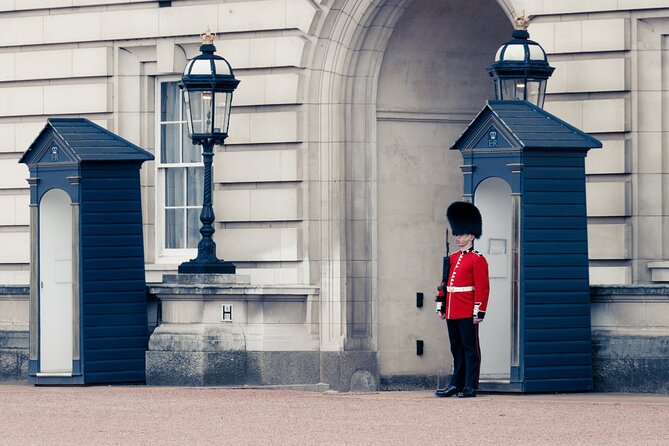
Buckingham Palace is the obvious headline stop. The site began as part of the Manor of Ebury, a marshy area watered by the River Tyburn. That river still runs below the palace courtyard and south wing, an odd bit of London geography that makes the site more interesting than its formal facade suggests.
The property changed hands repeatedly, passing through important medieval ownership before reaching Westminster Abbey’s monks after the Norman Conquest. The guide uses details such as these to show that the palace site was not created from nothing. It grew out of an older piece of London with its own land, water, and settlement story.
The actual stop is short, listed at five minutes. That tells you how to think about the visit. You will get a view and an explanation, not a long palace visit or a guaranteed Changing of the Guard segment.
One guest specifically wished the experience had included part of the Changing of the Guard. If that ceremony is a must for you, do not assume this tour will provide it. The walk may show you the royal area, but ceremony schedules and the tour’s route are separate matters.
For a first visit to London, this brief stop can work well. You check off Buckingham Palace while learning how it fits into St James’s and The Mall. If you want courtyard time, rooms, or a ceremony, you need to make separate plans.
More Castle Tours:
- Stonehenge, Windsor Castle, and Bath from London
★ 4.5 · 18,662 reviews - Stonehenge, Windsor Castle and Bath with Pub Lunch in Lacock
★ 4.5 · 7,402 reviews - Windsor Castle Admission Ticket
★ 4.7 · 7,032 reviews - Stonehenge, Windsor Castle and Bath Full Day Guided Tour
★ 4.5 · 5,346 reviews
Wellington Arch, Bomber Command, and Apsley House
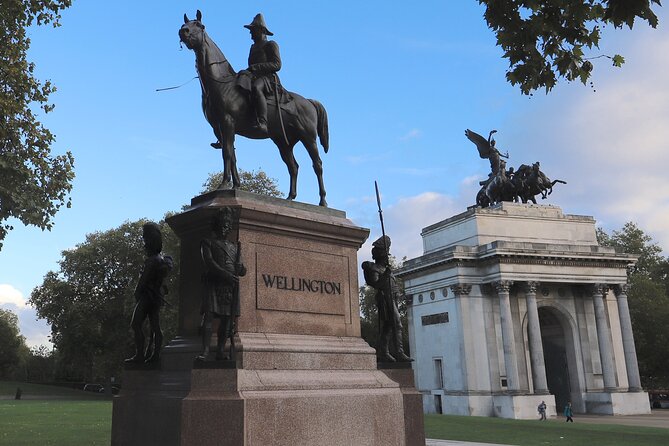
After Buckingham Palace, the route crosses toward Wellington Arch at Hyde Park Corner. Decimus Burton designed the arch in 1828. Its four-horse chariot and figure of peace were added in 1912, and the central passage was reserved for royalty.
This is a quick stop, but it gives you one of London’s best examples of a ceremonial gateway. It also marks the shift from the palace district toward Hyde Park and Kensington.
The Bomber Command Memorial is a more solemn pause. It commemorates the crews of RAF Bomber Command who served during the Second World War. The memorial records the loss of 55,573 aircrew from Britain, Canada, Australia, New Zealand, Czechoslovakia, Poland, and other Allied countries, along with civilians killed during raids.
This section gives the walk some needed weight. The tour is not only about grand houses and royal names. London’s monuments also preserve military sacrifice and civilian loss. Allow yourself a quiet moment here rather than treating it as another quick photo stop.
Apsley House follows. Robert Adam built the original red-brick house between 1771 and 1778 for Lord Apsley, the Lord Chancellor. Some Adam interiors remain, including the Piccadilly Drawing Room and its apsidal end. The Portico Room sits behind the large Corinthian portico later added by Wellington.
Again, the standard walk does not include a house visit. But the outside view, paired with the guide’s explanation, helps show how aristocratic homes changed hands and acquired new owners, uses, and styles.
Royal Albert Hall and the Albert Memorial
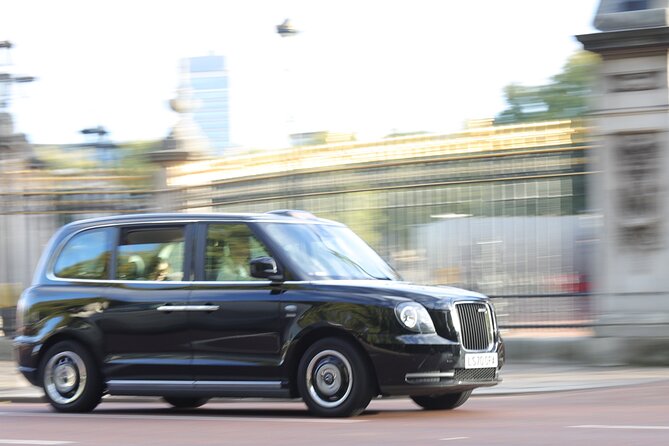
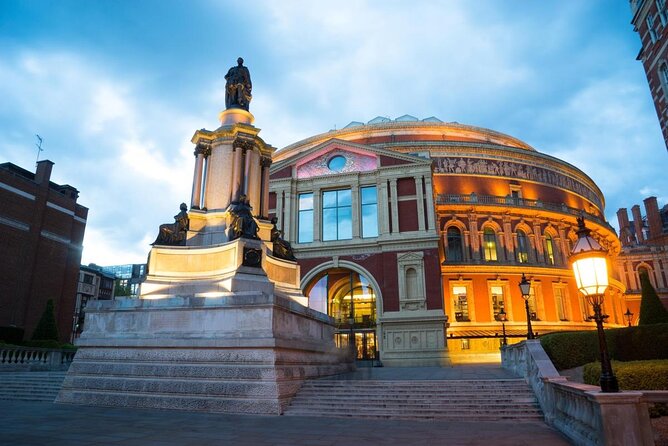
The route continues toward South Kensington and the Royal Albert Hall. Queen Victoria opened the concert hall in 1871, and it can seat 5,272 people. Its stage has hosted leading performers from many kinds of music and performance.
The hall is not a palace, but it fits the royal theme through Prince Albert and Queen Victoria’s public life. It also broadens the walk beyond royal residences. You get a sense of the institutions and monuments created around the monarchy, not just the homes where monarchs lived.
Nearby, the Albert Memorial in Kensington Gardens is one of London’s most ornate monuments. It commemorates Prince Albert, who died of typhoid in 1861.
This is a good place to notice the difference between modest memorials and Victorian public display. The memorial’s scale and decoration reflect how important Albert was to Victoria and to the public image of the period. The guide can give you the basic story during the short stop, though the tour is not designed for a long examination of every sculptural detail.
The route has now moved from government and aristocratic St James’s to the broad parks and grand institutions around Kensington. That change gives the experience a useful sense of London’s development.
Kensington Palace and afternoon tea at the Orangery
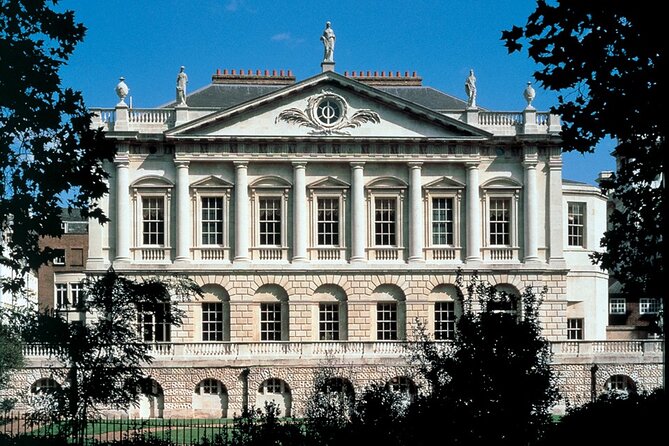
Kensington Palace is the final royal stop and the place where the food service takes place. The tour ends at the Orangery in Kensington Gardens, where you sit at a private table for afternoon tea.
The palace carries plenty of royal drama. George II died there on October 25, 1760, after rising at 6:00 in the morning, drinking hot chocolate, and going to his private room. A crash alerted his valet, but the king died before Princess Amelia could reach him. A post-mortem found a thoracic aortic dissection. He was nearly 77 and was buried at Westminster Abbey.
The story includes an unusual personal detail: George II ordered the sides of his and his wife’s coffins removed so their remains could mingle. He is the most recent monarch buried in Westminster Abbey. Details like this are exactly where a good guide can make a building feel human rather than distant.
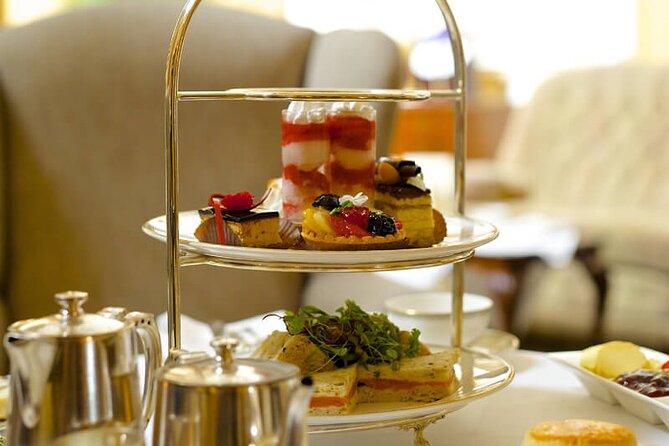
The tea itself includes delicate finger sandwiches, Welsh scones with and without raisins, clotted cream, strawberry jam, and a selection of cakes that changes with the season. Gluten-free, vegetarian, vegan, and halal choices can be arranged with advance notice. Alcoholic drinks are available to buy, but they are not included.
A guest particularly enjoyed tea served on Princess Diana’s royal china. That detail is not promised as a guaranteed feature for every booking, but it shows why the setting can feel special beyond the food. The tea is also used to explain the history of tea drinking in England, so you get cultural context with the meal.
One small language point is worth noting. The meal is described as high tea, but the menu is the familiar afternoon tea format of finger sandwiches, scones, cream, jam, and cakes. For most visitors, that is the experience they hope to have.
Is $173.45 good value?
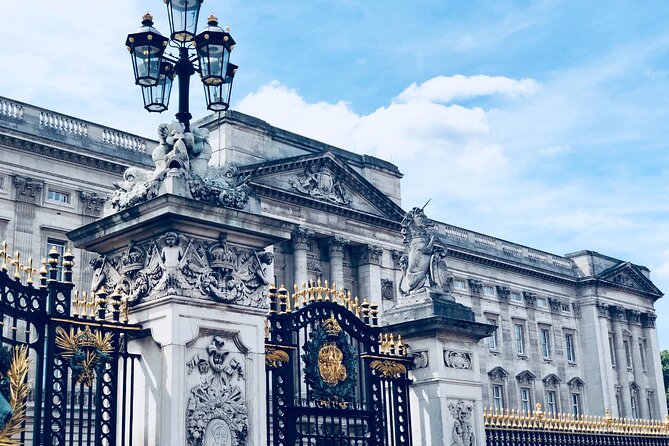
At $173.45, this tour makes sense if you want several pieces of royal London handled in one outing. You receive a small group, a guide, the walking tour, a private tea table, and a full afternoon tea. For a short London visit, combining three palace areas with Kensington tea can save planning time.
The value is weaker if you only want to photograph Buckingham Palace or enter a palace interior. The standard package does not include palace admission, and several stops last only five minutes. You are paying for the guide and the meal as much as for sightseeing.
State room entrance is available if selected at checkout. Check exactly which palace admission is included in your chosen option, since the base tour and the version with entry are not the same product.
The tour is often booked well ahead, with an average booking lead time of 81 days. That suggests planning early, especially if you have a fixed London schedule or want a particular date. Free cancellation is available until 24 hours before the start time. Cancellations or changes made later are not refunded or accepted, and the experience requires a minimum number of participants.
Timing, transport, and practical comfort
The advertised duration is about two hours, yet the route covers a wide stretch of central London and ends in Kensington. Since the itinerary lists many short stops and includes a bus fare, treat the duration as approximate. Ask for the day’s exact timing when you arrive, particularly if you have another reservation afterward.
Private transport is not included. Bring a contactless card or Oyster card for the £1.75 bus fare. The meeting point is at Green Park Underground, while the end point is Kensington Palace in Kensington Gardens, at the Orangery.
The walking is described as manageable rather than athletic, but it is still a city walk with many transitions. Comfortable shoes are essential. You should also be ready for outdoor weather, since the palace exteriors and memorials are viewed along the public route.
Children can join, and a child tea is typically intended for ages 11 and younger. Most people can participate, and service animals are allowed. Dietary needs are handled only when requested in advance, so do not wait until tea begins to ask.
Who will enjoy this royal day most?
I would choose this experience for a first-time London visitor who wants a guided introduction to the royal quarter without arranging several separate stops. It also suits families, especially when a guide such as Simon can adjust stories for different ages.
It is a good match for anyone who values context over lengthy indoor visits. You will hear why St James’s mattered, how Buckingham Palace’s site developed, why Clarence House was preferred by William IV, and how Kensington Palace connects to George II and the modern royal story.
The tour is less suitable if you dislike walking, want a slow museum-style visit, or care most about entering all three palaces. The schedule gives you a taste of each area, not extended time inside every building.
The strongest part is the combination of personal guiding and tea. Simon is praised for warmth, wit, and the ability to explain London to an entire family. David receives high marks for detail and enthusiasm, and Tom for his easy manner and good stories. The guide is the key variable, but the experience is built around that human connection.
Should you book Buckingham Palace, St James’s Palace and tea at Kensington Palace?
Book it if you want a compact royal-themed day with a small group, a strong guide, and a proper afternoon tea in a memorable setting. The food, private table, palace views, and connected route make the $173.45 price easier to justify for a short London stay.
Skip it if you expect interior access to three palaces at the base price, or if the Changing of the Guard is your main goal. In that case, plan a separate palace visit and ceremony day.
For the best fit, select the state room option only if indoor access matters to you, request dietary needs in advance, keep room in your schedule for walking and transport, and book early. Done with those expectations, this is a polished way to connect London’s royal addresses with the stories behind them.
FAQ
Where does the tour start?
It starts at Green Park Underground Ltd, Piccadilly, London W1J 9DZ, UK.
Where does the tour end?
It ends at the Orangery at Kensington Palace in Kensington Gardens, London W8 4PX, where the afternoon tea is served.
How long does the experience last?
The stated duration is approximately two hours.
Does the tour enter Buckingham Palace?
The standard walking tour does not include palace entrance. Entrance to the state rooms is available only if selected at checkout.
Does the tour enter St James’s Palace?
No palace entrance is included in the standard walking tour. St James’s Palace is not regularly open to the public, though Sunday services can be attended at the Chapel Royal and the Queen’s Chapel.
Is afternoon tea included?
Yes. The included tea features finger sandwiches, Welsh scones, clotted cream, strawberry jam, and seasonal cakes.
Are dietary options available?
Gluten-free, vegetarian, vegan, and halal choices are available when requested in advance.
How many people are in the group?
The maximum group size is 10 people. The typical group has four to six guests.
Do I need to pay for transport?
Private transport is not included. You should bring a contactless card or Oyster card for the £1.75 bus fare.
Can I cancel for a refund?
You can cancel at least 24 hours before the start time for a full refund. Cancellations or changes made less than 24 hours before the start time are not accepted or refunded.
Recently added around London
- PRIVATE HIRE 45 min Speedboat Tour – Embankment/Westminster Pier★ 5.0 · 55 reviews
- Private Tour of London’s Historic Pubs★ 5.0 · 55 reviews
- From London: Glastonbury and Cheddar Gorge Guided Day Trip★ 4.8 · 55 reviews
- Gatwick Airport Taxi – Private Transfer to/from London★ 5.0 · 55 reviews
- London: Kew to Westminster River Thames Cruise★ 4.2 · 55 reviews
- London by Night – Tootbus Sightseeing Tour★ 3.5 · 55 reviews
- London: Tower of London After Hours Tour and Key Ceremony★ 4.8 · 56 reviews
- From London: Cotswolds Guided Trip Including Bourton-on-the-Water★ 4.5 · 56 reviews
Buckingham Palace Tours, compared.
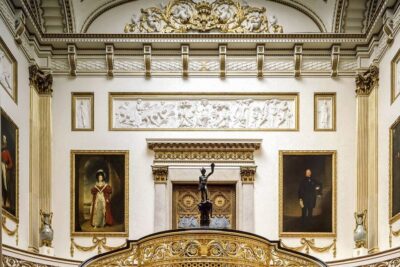
Buckingham Palace: The State Rooms Entrance Ticket
Read our review →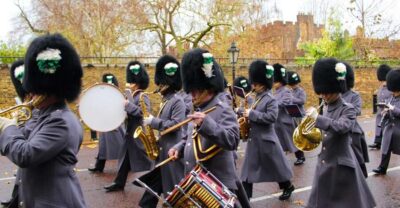
Buckingham Palace & Changing of the Guard Experience
Read our review →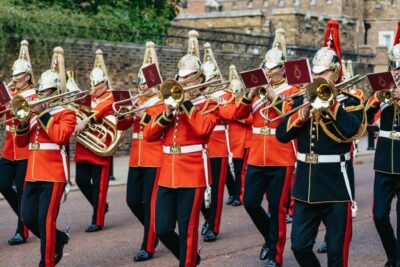
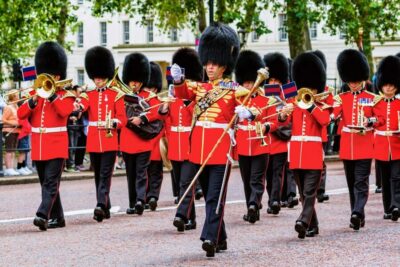
Buckingham Palace Entry & Changing of the Guard Tour
Read our review →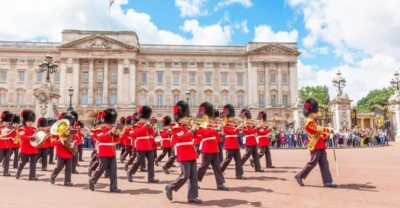
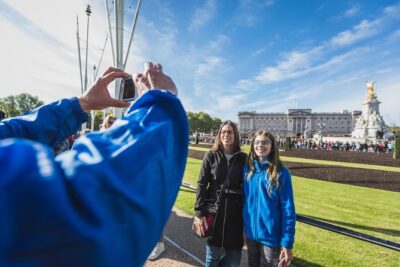
Changing of the Guard Guided Walking Tour in London
Read our review →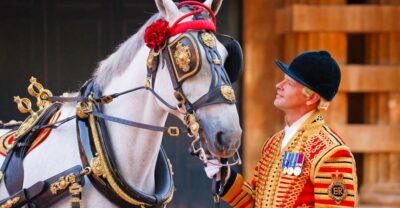
Buckingham Palace: The Royal Mews Entrance Ticket
Read our review →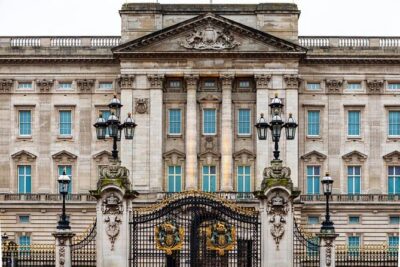
Buckingham Palace Entrance Ticket & Changing of the Guard Tour
Read our review →Browse the lists this tour appears in