
Reviewed · DRINKING TOURS
Chocolate Bar Making Workshop – York Cocoa Works
Chocolate turns a York visit into a hands-on treat. At York Cocoa Works, you learn how cocoa becomes chocolate, practice tempering, then design a bar with your choice of toppings. I like the mix of useful chocolate skills and playful creativity, plus the chance to wrap your finished bar and take it home. The main drawback is that the workshop takes place beside a working shop, so background noise can sometimes make the instructor harder to hear.
I also like the compact one-hour-15-minute format. It fits neatly into a day of sightseeing, and the £25 price listed in the feedback, roughly $34.72, feels fair if you value instruction, tastings, and a handmade souvenir. If you already make chocolate at home, though, the basic process may feel simple for the money.
In This Review
- Key points at a glance
- What happens at 10 Castlegate
- Learning to temper chocolate
- Designing your own chocolate bar
- Tasting as you work
- Waiting for the bar to set
- The instructor and the group atmosphere
- Who will enjoy this York activity?
- Price, timing, and practical value
- How this compares with making chocolate at home
- My verdict: book it for fun, not advanced training
- FAQ
- Where does the chocolate bar workshop begin?
- Where does the activity finish?
- How long does the workshop last?
- How much does the experience cost?
- Do I need previous chocolate-making experience?
- Can I choose my chocolate and toppings?
- Can vegans take part?
- How many people can join?
- Can I cancel for a refund?
Key points at a glance
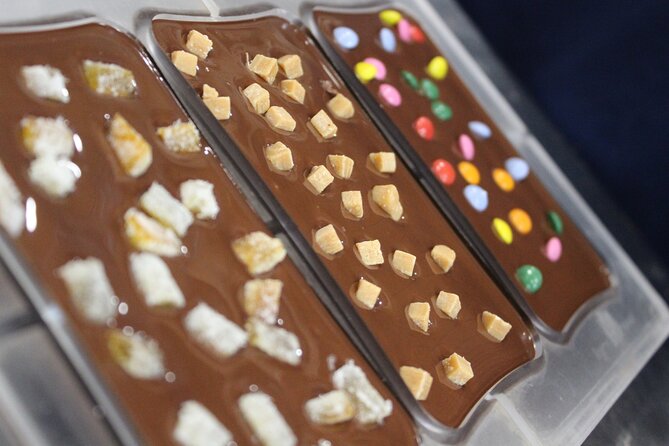
- Temper real chocolate: Learn a specialist technique, with a little help from a hair dryer.
- Choose your own creation: Pick milk or dark chocolate, then add available flavors and toppings.
- Learn the cocoa journey: The session explains how cocoa beans become the chocolate on shop shelves.
- Take home a souvenir: Your finished bar is wrapped for you after it sets.
- Good for mixed ages: Families with older children, couples, friends, and hen parties can all enjoy it.
- Small-group setting: The maximum group size is 16, keeping the activity fairly personal.
What happens at 10 Castlegate
You meet at York Cocoa Works, 10 Castlegate, York YO1 9RN. The activity finishes at the same place, so there is no need to arrange a second pickup point or find your way across the city afterward.
The workshop begins with an introduction to how York Cocoa Works makes its chocolate. This gives the practical part some context. Instead of simply pouring melted chocolate into a mold, you first learn where cocoa comes from and how it changes along the way.
That opening section includes facts about cocoa origins and the ingredients used in chocolate. It is a useful touch for families, since younger participants get more than a sugar rush, while adults can better understand what they are tasting and handling.
The session then moves into chocolate making. You design a bar using single-origin chocolates, with milk and dark options available. The choice matters because the base chocolate sets the character of the finished bar before you add anything else.
The exact range of flavors and toppings can vary, but the available choices have included different flavorings and ingredients for decoration. You can make something simple or load it with extras. The result is personal, even though the core process is shared by the whole group.
A few more trips worth a look before you book
- York: Chocolate Bar Making Workshop at York Cocoa Works
★ 4.7 · 401 reviews - London: Traditional English Scone Making and Tea Workshop
★ 5.0 · 702 reviews - Surf Lesson
★ 5.0 · 349 reviews
Learning to temper chocolate
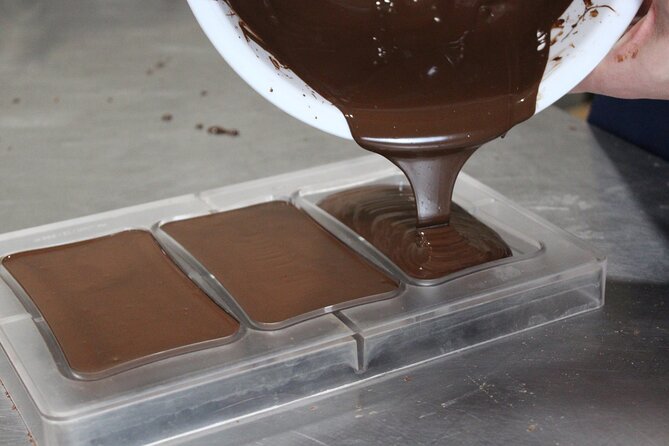
Tempering is the most specialist part of the class. In simple terms, it is the process of working chocolate so it sets with a smoother finish and better texture. You get to try this yourself rather than just hearing a talk about it.
This is also where the workshop has its most memorable bit of equipment. A hair dryer may be used to warm the chocolate gently during the process. It sounds odd, but it helps make a technical step feel less intimidating and more approachable.
The instructor guides you through each stage. You do not need baking experience, and you are not expected to arrive with chocolate-making skills. The clear, step-by-step approach makes the workshop suitable for beginners.
The class is well organized, with workstations arranged for hands-on preparation. Hygiene is treated seriously, which matters when you are handling food and sharing a room with a group.
You may find that the tempering process moves quickly. This is not a full professional confectionery course, and you will not leave ready to run a chocolate factory. You will, however, understand more about why chocolate behaves as it does and pick up a few tricks you can try at home.
Designing your own chocolate bar
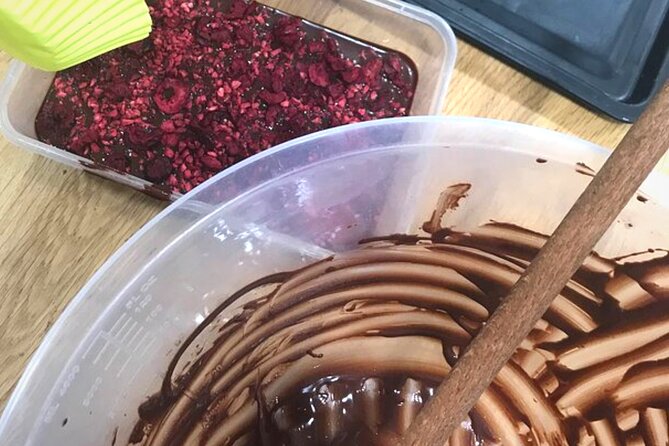
Once the chocolate is ready, you pour it into a mold and decide how to finish it. This is the most relaxed and creative part of the activity.
You can choose between milk and dark chocolate, then add from the available flavors and toppings. The dark chocolate and some of the toppings are suitable for vegans, giving plant-based participants a workable choice. If dietary needs matter to you, it is sensible to check the available ingredients at the start of the session.
The bar is not a generic souvenir pulled from a shelf. You decide what goes into it, and the combination reflects your taste. You might keep it plain, build a crunchy topping, or experiment with flavors that you would not normally combine.
This freedom is especially useful for groups. Children can make something colorful and playful, while adults may prefer a more restrained bar. Couples and friends can compare their choices, and a hen party or birthday group can turn the activity into a shared project.
The class does not require perfection. Your bar is meant to be eaten, not displayed in a museum. That takes away some pressure and lets you enjoy the process.
Tasting as you work
Tasting is part of the fun, and it also helps explain the differences between chocolates and ingredients. You get to sample the chocolate during the workshop rather than waiting until the end.
The quality of the chocolate is one reason the price can make sense. You are not simply buying a bar and decorating it. You are tasting the product, learning how it is made, and producing a personalized version under guidance.
Still, value depends on what you expect. If you see the activity as a short craft class with food to eat, the price is reasonable. If you compare it only with the cost of melting chocolate at home, it will look expensive.
One participant felt that the process was essentially melting plain chocolate, adding flavor, pouring it into a mold, and chilling it. That criticism is fair for anyone who already knows the basics or wants a longer technical lesson. The class is better suited to people who want a friendly introduction and a York activity, not advanced confectionery training.
A different sort of outing around York:
- Mad Alice’s The Bloody Tour of York -Best Tour Award Europe
★ 5.0 · 2,749 reviews - York: Daytime Sightseeing Boat Cruise with Live Commentary
★ 4.2 · 2,618 reviews - Comedy Horror Show: York Ghost Bus Tour
★ 4.4 · 2,496 reviews - Ghost Bus Tour of York
★ 4.5 · 2,404 reviews
Waiting for the bar to set
After the chocolate goes into its mold, it needs time to harden. The setting period can take around 25 to 30 minutes, according to the practical advice given during the sessions.
This affects how you plan the rest of your day. The hands-on teaching may finish in about 30 to 45 minutes, with extra time needed for the bar to set. In some cases, you can return later the same day to collect it, rather than waiting beside the mold.
That is a useful option if you have York sightseeing planned. You might visit the shop, walk to another nearby attraction, or continue exploring and return before the end of the day. Confirm the collection arrangement with the staff on the day, since the exact timing can depend on the session.
Once ready, the bar is beautifully wrapped so you can take it away. It makes a better souvenir than a standard box of chocolates because you created it yourself.
Take care with transport afterward. The information provided does not specify special packaging for warm weather, so treat the bar as chocolate, not as an indestructible travel item.
The instructor and the group atmosphere
The instructor is central to the quality of the workshop. The teaching style has been described as friendly, funny, attentive, and easy to follow. A good guide makes the cocoa facts lively instead of turning them into a dry lecture.
The best part is the balance between explanation and action. You listen, taste, handle the chocolate, and make decisions. The class keeps moving, which helps prevent the technical information from dragging.
The maximum group size is 16 people. That is small enough for a structured session, though it is not the same as a private class. Some sessions may feel more personal than others, depending on attendance.
The workstations are described as spacious and well laid out. That gives you room to handle the chocolate and toppings without feeling cramped. A full room can also make the shop area noisier, and one practical complaint was that conversations around the retail space sometimes made the instructor difficult to hear.
If hearing every explanation matters to you, try to stay close to the guide. The workshop is hands-on, so you can still follow the main process by watching, but the cocoa facts and tempering tips are worth catching.
Who will enjoy this York activity?
This is a strong choice for families with older children. The activity is aimed at children and adults, but younger children may need help with the practical steps and patience during the setting period. Preteens and teenagers are more likely to appreciate the mix of making, tasting, and taking something home.
It also suits couples. A Valentine’s gift or anniversary outing works well because the activity gives you something to do together and produces a shared souvenir. It is more engaging than simply sitting down for a chocolate dessert.
Friends can have fun comparing their toppings and finished bars. The class also works for hen parties and other small celebrations, particularly if your group wants an activity rather than another meal or pub stop.
Chocolate fans will get the most from it, but you do not need specialist interest. The presentation is designed for beginners, and the workshop covers the basic process from cocoa bean to finished bar.
I would be less likely to recommend it to someone who dislikes group activities, wants a quiet private lesson, or already has strong chocolate-making skills. The class is short, social, and guided. It is not a long professional course.
Price, timing, and practical value
The listed price is $34.72 per person. The feedback also refers to a £25 cost, so the amount you pay may vary with currency conversion, booking conditions, or the date of purchase.
For that price, you receive a lesson, chocolate tasting, ingredients, use of the equipment, guidance while tempering, and a custom bar to take away. You also get access to the shop and cafe afterward, with a small discount reported by one participant.
The session lasts about 75 minutes, though the active teaching and making may take less time, followed by the setting period. That makes it easy to place between other York plans.
The activity is often booked around 20 days ahead. I would not leave it until the last minute if your schedule is fixed, especially for a weekend, school holiday, or group booking.
Mobile tickets are accepted, and the activity is offered in English. Service animals are allowed, and the venue is near public transportation. Confirmation normally arrives at booking, but a booking made within 18 hours of the start time is confirmed as soon as possible, subject to availability.
Free cancellation is available if you cancel at least 24 hours before the start time. Cancellations within 24 hours are not refunded, and changes inside that period are not accepted. The cut-off uses York local time.
How this compares with making chocolate at home
At home, you can melt chocolate and pour it into a mold for much less money. That is the central weakness of this activity, and it should not be ignored.
The extra value here is the setting, the instructor, the tasting, and the chance to learn tempering in a food workshop. You are also paying for a York memory and a finished item that is ready to wrap and take home.
If your goal is simply to produce the cheapest possible chocolate bar, stay home. If you want a social activity with a clear beginning and end, this class gives you more than the ingredients alone.
The workshop also makes the process less messy and uncertain for a beginner. You can ask questions as you work, see the steps demonstrated, and avoid having to buy equipment or several types of topping for one experiment.
My verdict: book it for fun, not advanced training
I recommend the York Cocoa Works workshop for families with older children, couples, friends, and small celebration groups. The strongest reasons to book are the friendly instruction, the hands-on tempering, the choice of toppings, and the custom bar you take home.
Book it as a tasty York activity rather than a serious chocolatier course. You will learn useful basics, but the making process is intentionally simple and the active portion is fairly short.
The main cautions are the price compared with making chocolate at home, the possible shop noise, and the wait while your bar sets. If those points do not bother you, this is a cheerful, well-paced way to spend part of your day in York.
FAQ
Where does the chocolate bar workshop begin?
It begins at York Cocoa Works, 10 Castlegate, York YO1 9RN, UK.
Where does the activity finish?
The workshop ends back at the meeting point at York Cocoa Works.
How long does the workshop last?
The listed duration is approximately 1 hour and 15 minutes. Your chocolate may need another 25 to 30 minutes to set before collection.
How much does the experience cost?
The listed price is $34.72 per person. Feedback about the activity also refers to a £25 price, so the amount charged may vary.
Do I need previous chocolate-making experience?
No. The workshop is designed for beginners, and the instructor provides step-by-step guidance.
Can I choose my chocolate and toppings?
Yes. You design your own bar using single-origin chocolate, with milk or dark chocolate and a selection of available flavors and toppings.
Can vegans take part?
Yes. The dark chocolate is vegan, and some of the toppings and flavors are also vegan. Check the available ingredient choices at the start of the session.
How many people can join?
The activity has a maximum of 16 participants.
Can I cancel for a refund?
You can receive a full refund if you cancel at least 24 hours before the experience start time. Cancellations and changes made within 24 hours are not accepted or refunded.
More Dessert Tours
- York’s Chocolate Story: Guided Tour
★ 4.7 · 624 reviews - York Historical Gems Tour & A Taste of York Chocolate
★ 5.0 · 101 reviews - Chocolate Manufactory Tasting Journey at York Cocoa Works
★ 4.0 · 101 reviews - York: Historical Gems Tour & A Taste of York Chocolate
★ 4.7 · 90 reviews
Recently added around York
- York: Wizard Walk of York Tour – Magic, Comedy & Family Fun★ 4.8 · 57 reviews
- York: Hop-on Hop-off Sightseeing Bus Tour★ 4.6 · 61 reviews
- Private Viking Walk of York★ 5.0 · 64 reviews
- York: “All Creatures Great and Small” Yorkshire Dales Tour★ 4.9 · 65 reviews
- Historical Pub Walking Tour in York★ 5.0 · 67 reviews
- All Creatures Great & Small tour from York★ 5.0 · 71 reviews
- Dark Tales of York. Private ghost tours.★ 5.0 · 72 reviews
- Small group Tasting Tour of York★ 5.0 · 74 reviews
Drinking Tours, compared.

Stonehenge, Windsor Castle and Bath with Pub Lunch in Lacock
Read our review →

Bar and Club Crawl to 5 Central London Venues
Read our review →


London Bike Tour: Landmarks, Secret Gems, Pub Stop & Street Art
Read our review →
Browse the lists this tour appears in