Reviewed · LONDON TOURS
Handel Hendrix House General Admission
Two music legends share one London address. The Handel and Hendrix House brings together George Frideric Handel’s 18th-century home and Jimi Hendrix’s late-1960s flat, a rare pairing that makes this small museum far more memorable than its size suggests. I like the freedom to arrive during opening hours and explore at my own pace, and I like how the visit connects two very different eras of London music. The main drawback is that the museum is open only Wednesday through Sunday, and the old staircase may be difficult for some visitors.
At about $19.98 per person, this is a good-value stop for music lovers, especially if you give it the full hour or two available. You may hear musicians playing the harpsichord or rehearsing in Handel’s rooms, but live music is not guaranteed, so treat it as a possible bonus rather than part of the ticket promise.
In This Review
- Key points about the Brook Street visit
- Two musical worlds on Brook Street
- Climbing Handel’s old staircase
- Finding Messiah in the music rooms
- Handel’s bedroom and final rooms
- Entering Jimi Hendrix’s 1968 London flat
- Guitars, effects, and the working musician
- How much time should you allow?
- Is the $19.98 price good value?
- Who will enjoy this most?
- Practical advice for a smooth visit
- Should you book Handel Hendrix House?
- FAQ
- Where is Handel Hendrix House located?
- What does the admission ticket include?
- How long does the visit take?
- What are the opening hours?
- What is the last admission time?
- Can I arrive at any time?
- Is the ticket available on a mobile phone?
- Is the museum offered in English?
- Are children allowed to visit?
- Can I cancel for a full refund?
Key points about the Brook Street visit
- Two musicians, one address: See where Handel lived from 1723 to 1759, then visit the next-door flat where Hendrix lived from 1968 to 1969.
- Handel’s 250-year-old staircase: Climb the original, uneven stairs into the composer’s restored rooms.
- A musical setting: Harpsichord playing, rehearsals, or vocal warm-ups may add sound to the historic rooms.
- The room where Messiah was written: Handel composed his best-known work at this Brook Street home.
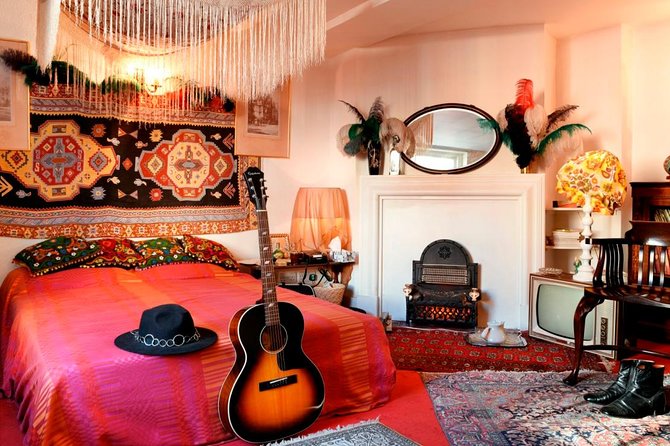
- Hendrix’s recreated main room: The flat reflects how Jimi lived with Kathy Etchingham in late-1960s London.
- A compact central London stop: Plan on one to two hours, with a gift shop at the end.
Two musical worlds on Brook Street
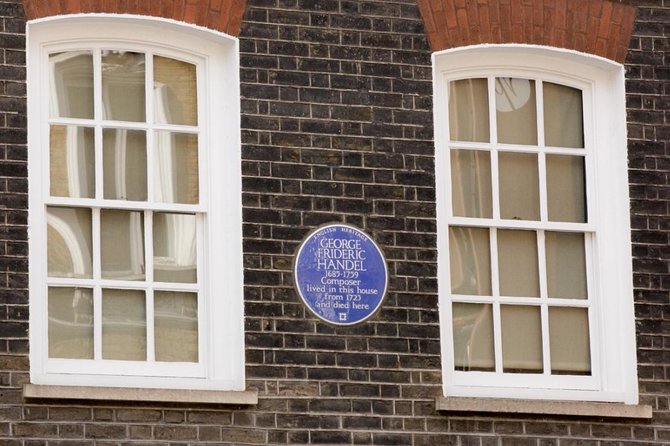
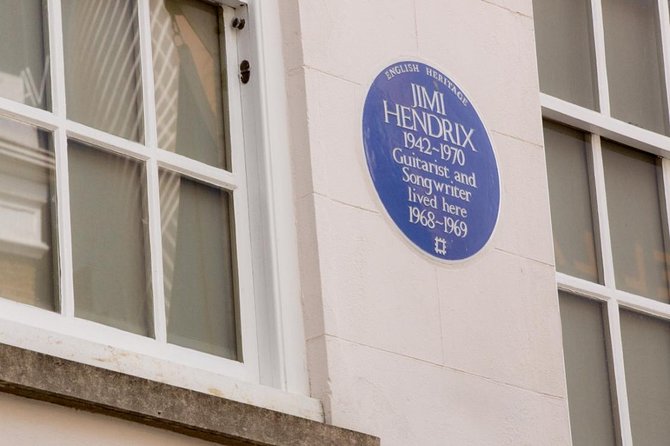
The appeal begins with the address. At 25 Brook Street, George Frideric Handel lived and worked for more than three decades. On the third floor, the next-door flat at 23 Brook Street recalls Jimi Hendrix’s short but important period in London.
The pairing is unusual, but it works. Handel represents the London of opera, royal patrons, rehearsals, and harpsichords. Hendrix represents the London of electric guitars, changing youth culture, and the late 1960s. You do not need to be an expert in either musician to understand the connection: both used London as a place to build their careers and shape their sound.
This is not a large museum with room after room of objects. It is a house visit, and that is its strength. You move through domestic spaces where music was created, practiced, discussed, and performed. The physical setting does much of the teaching.
The museum is in central London, so it can fit neatly into a day of sightseeing. Since you make your own way to Brook Street, you are not tied to a group departure or a fixed tour route. Your mobile ticket lets you arrive at a preferred time during the opening hours.
A few more trips worth a look before you book
- London: The London Eye Entry Ticket
★ 4.6 · 35,875 reviews - From London: Harry Potter Warner Bros Studio Tour
★ 4.7 · 26,588 reviews - London: Westminster to Greenwich River Thames Cruise
★ 4.5 · 22,836 reviews
Climbing Handel’s old staircase
The first part of the visit takes you into Handel’s house. The 250-year-old staircase is uneven and described as wonky, so you should expect an old building rather than a polished modern museum. That climb is part of the experience, but it is also the main physical consideration.
Inside, restored music rooms show how Handel’s home functioned as both a residence and a workplace. He composed there, rehearsed there, performed there, and met important musical figures of the Baroque period. The rooms help you picture music as an everyday occupation, not just something heard in a concert hall.
I like the way this setting gives scale to Handel’s life. A famous composer can seem distant when you encounter only portraits and dates. Here, the focus shifts to rooms, instruments, work, and routine. You can imagine the pressure of writing music, preparing singers, and dealing with performers in the same house.
One of the most engaging details concerns Handel’s temper. The windows are linked to stories of his threats to throw opera singers out when they refused to sing his arias. It is a lively detail that cuts through the formal image of the composer and gives the house a little drama.
Finding Messiah in the music rooms

The Handel section matters most because of what happened there. This is where Handel wrote Messiah, one of the best-known works in Western music. The connection is not presented in an abstract concert-hall setting. You are standing in the rooms where the work took shape.
That makes the visit especially worthwhile for anyone who has heard Messiah performed. You may find that the rooms change the way you think about the piece. Instead of treating it as a grand work from a distant age, you can connect it to a specific home, working space, and period of Handel’s London life.
Musical activity can make the rooms feel unusually alive. Harpsichords are sometimes played in the house, and musicians may rehearse there for a concert. One particularly memorable visit described musicians practicing, followed later by a singer warming up. Hearing strings, harpsichord, or an opera voice in a historic home can be a powerful part of the day.
Still, you should not book on the assumption that a performance will take place during your visit. The museum’s core offering is admission and self-guided exploration. Live playing is an occasional benefit, not a scheduled feature stated in the ticket details.
Handel’s bedroom and final rooms
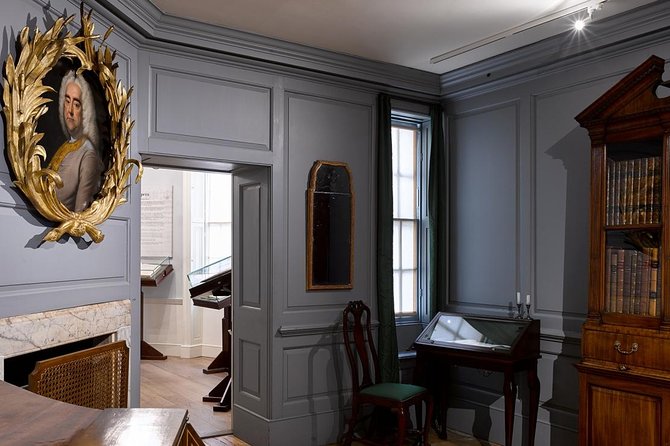
The route continues through Handel’s dressing room and bedroom. The bedroom is especially significant because Handel died there. These are quiet spaces, but they add a personal edge to the visit that the music rooms alone cannot provide.
You also have the chance to see temporary displays connected with Handel, his work, and his contemporaries. Since temporary exhibits can change, the exact material will depend on when you visit. It is worth allowing time to read rather than rushing straight toward the Hendrix section.
The staff can add a great deal here. Visitors have praised the friendly help throughout the museum, and one person who arrived as a Hendrix fan found the Handel side just as rewarding. That is useful advice: do not treat Handel as a short prelude before the guitar story. The first house may be the part that surprises you most.
A different sort of outing around London:
- Magical London: Harry Potter Guided Walking Tour
★ 4.7 · 22,044 reviews - London: Madame Tussauds London
★ 4.6 · 20,915 reviews - Stonehenge, Windsor Castle, and Bath from London
★ 4.5 · 18,662 reviews - London: Warner Bros. Studio Tour with Transfers
★ 4.7 · 17,586 reviews
Entering Jimi Hendrix’s 1968 London flat
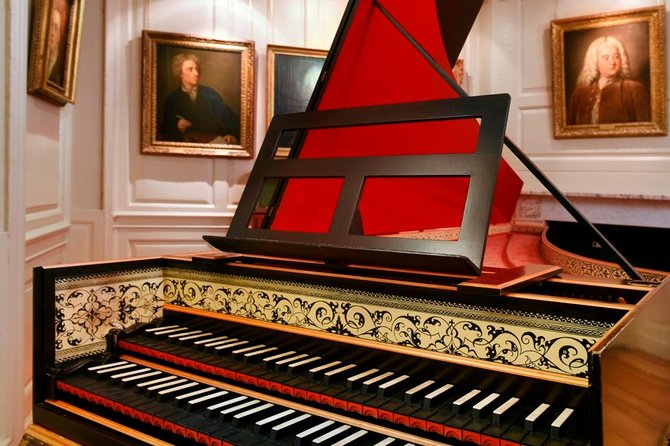
The third floor shifts the mood. You enter the flat where Hendrix lived from 1968 to 1969 with his girlfriend Kathy Etchingham. The museum presents this as the first place Hendrix described as a true home, which gives the small flat emotional weight beyond its celebrity connection.
The room is recreated to reflect how Jimi lived there. Rather than presenting only a collection of famous objects, the display gives you a sense of his domestic surroundings during the height of his London career. The contrast with Handel’s formal music rooms is immediate, yet both parts of the museum focus on the same basic question: how did a working musician live and create?
The Hendrix section also places him in the world of 1960s London. The city helped launch his fame, and the flat connects his personal life with the wider culture of the period. You get a glimpse of the musician away from the stage, at home with Kathy, rather than only the larger-than-life performer associated with concert footage and album covers.
Kathy Etchingham’s involvement in recreating Jimi’s room adds credibility to this section. That detail matters because a period room can easily become a generic celebrity display. Her consultation helps tie the room to the person who actually shared it.
Guitars, effects, and the working musician

For many people, the most rewarding objects in the Hendrix section will be the music equipment. Displays include an Epiphone acoustic guitar and Roger Mayer’s Octavia effect unit. The information about how Hendrix used effects, and why, gives the equipment a clear purpose.
That is important for understanding Hendrix. A guitar and a pedal can look like simple memorabilia when they are displayed without explanation. Here, the focus on sound and technique helps you see how the tools supported his playing.
You do not need to play guitar to enjoy this part. The explanations connect the objects to the music you already know. If you are a serious Hendrix fan, you may spend more time here than the museum’s compact size suggests. If you arrive mainly for Handel, the displays provide a useful bridge into modern recording and performance.
Staff interaction can also improve the visit. The person working in Jimi’s bedroom has been praised for being both engaging and well informed. Since this is an independent visit rather than a fixed guided tour, take the chance to ask questions when staff are available.
How much time should you allow?
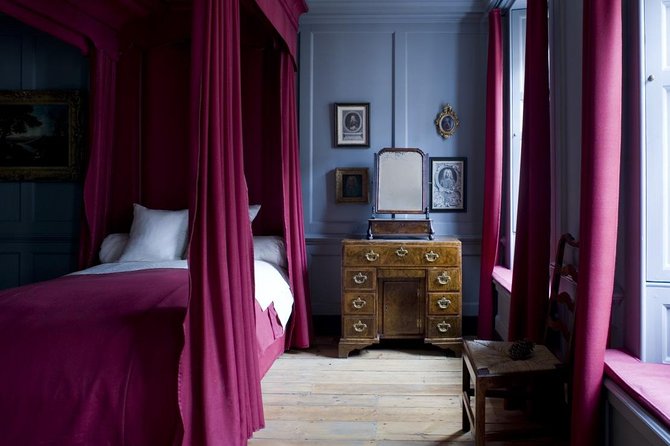
The suggested visit lasts about one to two hours. I would allow at least an hour if you want to read the displays and see both homes without rushing. Two hours makes more sense if you are deeply interested in either musician, encounter live practice, or spend time speaking with the staff.
The museum is compact enough to add to a central London itinerary. It is not an all-day attraction, and that is helpful when you are fitting several sights into one day. You can visit, browse the gift shop, and move on without sacrificing an entire afternoon.
Arrive before the last admission at 4pm. Opening hours are Wednesday through Sunday, 10am to 5pm. The museum is closed on Mondays and Tuesdays according to the supplied schedule, so check your day carefully before setting out.
Because the experience is self-paced, you do not need to worry about arriving at a precise tour departure. You do need to arrive during opening hours, and a mobile ticket makes entry straightforward.
Is the $19.98 price good value?
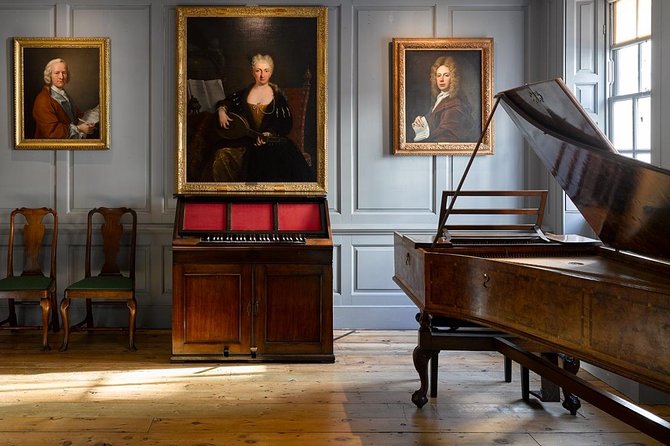
At roughly $20, the ticket is fairly priced for a central London museum that combines two historic homes. The value comes from the unusual pairing and the sense of place, not from a huge number of galleries or a long guided program.
I would call it especially good value if you already care about Handel, Hendrix, classical music, rock music, or the history of London as a music city. The chance of hearing a harpsichord, strings, or a singer in Handel’s rooms can add real value, though again, it depends on the day.
For a casual visitor with no interest in either musician, the price may feel less compelling than a major London museum with a broad collection. This is a focused stop. You are paying for access to two homes and the stories attached to them.
The museum also works well for families with older children, provided children are accompanied by an adult. Most people can take part, and service animals are allowed. The old staircase remains the key practical issue, so anyone concerned about stairs should consider that before booking.
Who will enjoy this most?
I would recommend it first to music fans who want more than a portrait or a plaque. Hendrix fans can see the home he shared with Kathy Etchingham, while Handel fans can walk through the rooms where he composed, rehearsed, and hosted fellow musicians.
It also suits visitors who like small historic houses. The experience feels personal because you move through domestic rooms rather than large public halls. You can spend time with details that might be lost in a bigger museum.
The museum is a good choice for a mixed-interest pair or family. One person may arrive for Hendrix and leave impressed by Handel. Another may come for Baroque music and find the guitar equipment and 1960s setting unexpectedly engaging.
I would be more cautious about recommending it to anyone seeking a live concert or a long guided tour. Music may be played during the visit, but it is not guaranteed. You are mainly buying access to the homes and exhibits, with staff help available along the way.
Practical advice for a smooth visit
Book ahead if your London schedule is tight. The experience is often reserved around 18 days in advance, which suggests that popular dates can fill before the day itself. You receive confirmation at booking, and the ticket is available on your mobile.
Plan your route so you arrive with enough time to see both addresses before 4pm. Since the museum closes at 5pm, arriving late can leave you with too little time for the Handel rooms, the Hendrix flat, and any temporary displays.
Wear shoes that feel secure on old stairs. The 250-year-old staircase is a charming feature, but it is not the sort of stairway you should race up while trying to read a phone screen.
The gift shop comes at the end, with souvenirs available at your own expense. It is an optional finish rather than a major part of the visit, so your budget can stay close to the ticket price if you prefer.
Free cancellation is available if you cancel at least 24 hours before the experience start time. A cancellation made less than 24 hours ahead is not refunded, and changes inside that period are not accepted.
Should you book Handel Hendrix House?
Book it if you want a compact, unusual music stop with real places attached to famous names. The strongest reasons are the two homes, the story of Messiah, the recreated Hendrix room, and the chance of hearing music in Handel’s rooms.
Give the museum one to two hours, arrive between Wednesday and Sunday, and do not count on a live performance. If you accept the old staircase and focused scale, the $19.98 ticket offers a thoughtful look at two musicians who lived 200 years apart but shared the same London street.
FAQ
Where is Handel Hendrix House located?
It is located on Brook Street in central London, at the former homes of George Frideric Handel and Jimi Hendrix.
What does the admission ticket include?
The ticket includes admission to the Handel and Hendrix Museum, including Handel’s house and the next-door flat where Jimi Hendrix lived.
How long does the visit take?
You should allow approximately one to two hours to explore the museum at your own pace.
What are the opening hours?
The museum is open Wednesday through Sunday from 10am to 5pm.
What is the last admission time?
The last admission is at 4pm.
Can I arrive at any time?
You can arrive at your preferred time during the museum’s opening hours.
Is the ticket available on a mobile phone?
Yes. The experience provides a mobile ticket.
Is the museum offered in English?
Yes. The experience is offered in English.
Are children allowed to visit?
Yes. Children can visit, but they must be accompanied by an adult.
Can I cancel for a full refund?
Yes, if you cancel at least 24 hours before the experience start time. Cancellations made less than 24 hours in advance are not refunded.
Recently added around London
- PRIVATE HIRE 45 min Speedboat Tour – Embankment/Westminster Pier★ 5.0 · 55 reviews
- Private Tour of London’s Historic Pubs★ 5.0 · 55 reviews
- From London: Glastonbury and Cheddar Gorge Guided Day Trip★ 4.8 · 55 reviews
- Gatwick Airport Taxi – Private Transfer to/from London★ 5.0 · 55 reviews
- London: Kew to Westminster River Thames Cruise★ 4.2 · 55 reviews
- London by Night – Tootbus Sightseeing Tour★ 3.5 · 55 reviews
- London: Tower of London After Hours Tour and Key Ceremony★ 4.8 · 56 reviews
- From London: Cotswolds Guided Trip Including Bourton-on-the-Water★ 4.5 · 56 reviews
London Tours, compared.



Westminster to Greenwich River Thames Cruise
Read our review →
Magical London: Harry Potter Guided Walking Tour
Read our review →

Stonehenge, Windsor Castle, and Bath from London
Read our review →