
Reviewed · TICKETS
Handel Hendrix House Ticket
Two icons share one London doorway. Handel Hendrix House brings together George Frideric Handel’s Mayfair rooms and the recreated flat where Jimi Hendrix lived in 1969. I love the sharp contrast between an 18th-century composer at the center of court music and a 1960s guitarist finding his first real home. I also like the chance to hear a harpsichord played inside Handel’s rooms, rather than viewing the instrument as a silent case display.
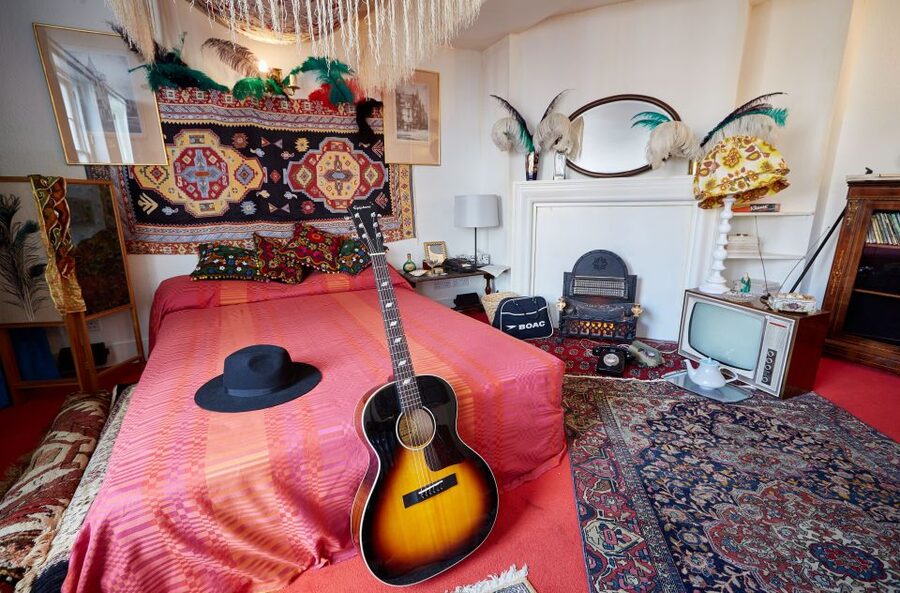
The main drawback is size. This is a compact museum, and the Handel section receives more space and original context than the Hendrix rooms. The Hendrix flat is carefully recreated, but only a small number of original objects remain, with a mirror noted as one of the authentic pieces. Allow one to two hours, or two to three if you read every panel and catch live music.
In This Review
- Key Things to Know Before You Go
- Arriving at 25 Brook Street in Mayfair
- Handel’s Rooms and the Making of Messiah
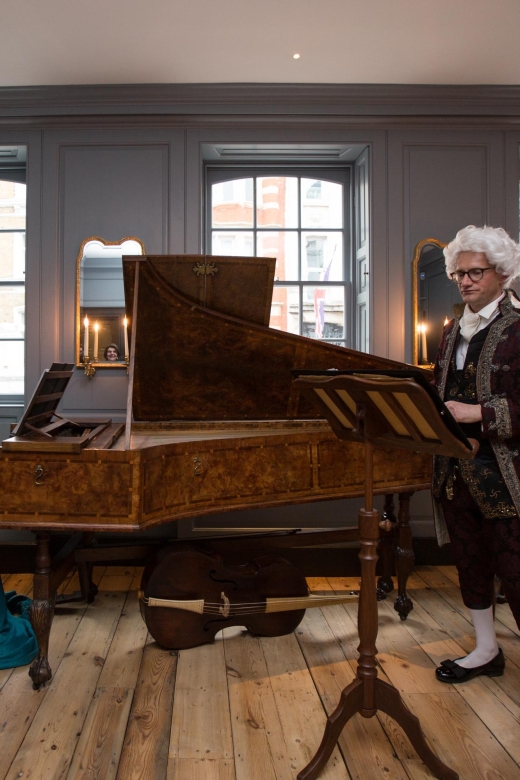
- Hearing a Harpsichord in the Historic Rooms
- Handel’s Dressing Room and Final Bedroom
- Moving Upstairs to 1960s London
- Jimi Hendrix’s Records, Guitar, Amps, and Pedals
- Why the Handel and Hendrix Pairing Works
- Time Needed and How to Pace the Visit
- Who Will Get the Most From the $19 Ticket?
- Practical Details for a Smoother Visit
- Should You Book Handel Hendrix House?
- FAQ
- Where is Handel Hendrix House?
- How long does a visit take?
- What does the ticket include?
- Is live music included with admission?
- Is the museum wheelchair accessible?
- Can I bring luggage or a large bag?
- Can I cancel my booking?
Key Things to Know Before You Go
- Handel wrote Messiah here: His Brook Street rooms were home, workplace, rehearsal room, and meeting place during 35 years in London.
- Hendrix’s flat is reconstructed: The room reflects careful research and Kathy Etchingham’s help, but it is not preserved exactly as he left it.
- A harpsichord may be playing: Live practice can give the Handel rooms an extra layer of sound and atmosphere.
- The contrast is the point: Two artists from different centuries shared the same address, yet both used London as a place to make music and build a life.
- The museum costs about $19 per person: For a small London museum with two distinct collections, that is fair value if you have an interest in either musician.
- Bond Street is the nearest Tube: The museum is at 25 Brook Street in Mayfair, close to Bond Street Station on the Central and Jubilee lines.
Arriving at 25 Brook Street in Mayfair
Handel Hendrix House sits at 25 Brook Street, Mayfair, in South East England. Bond Street Station is the nearest Tube stop, served by the Central and Jubilee lines, so the museum is easy to fold into a day in central London.
You enter a narrow historic building rather than a large museum complex. That matters. The visit feels personal and room-based, with a clear sense that these were domestic spaces before they became museum exhibits. You move upward through the building, so comfortable shoes are useful.
The house has a 250-year-old Grade 1 listed stairway described as wonky. That crooked climb is part of the character, but it may not suit everyone. The activity is listed as wheelchair accessible, so if you need step-free access or specific assistance, confirm the practical route with the museum before arrival. Large bags and luggage are not allowed.
The advertised price is about $19 per person. I consider that reasonable for a central London stop, especially because you are getting two collections in one admission. It is less compelling if you have no interest in music, domestic history, or 1960s culture. This is not a large museum that fills half a day with dozens of galleries.
More Tickets in London
- London: The London Eye Entry Ticket
★ 4.6 · 35,875 reviews - London: Tower Bridge Entry Ticket
★ 4.7 · 15,560 reviews - London: Westminster Abbey Entrance Ticket
★ 4.6 · 11,254 reviews
Handel’s Rooms and the Making of Messiah
The Handel section occupies the lower part of the house and gives you the strongest sense of place. George Frideric Handel lived here for 35 years, during a long and successful period at the heart of English court life and music.
These rooms were not only a private home. Handel composed, rehearsed, performed, and talked with leading musicians of the baroque age here. That mix of work and domestic life gives the visit its spark. You are not looking at an abstract biography. You are seeing the rooms where professional music was made, argued over, and prepared for performance.
The most famous connection is Messiah. Handel composed the oratorio in this house, making the rooms especially meaningful for anyone who knows the work. You do not need to be a specialist, though. The setting helps explain how a composer’s home could also function as a working studio and social hub.
A particularly entertaining detail concerns the soprano Cuzzoni. Handel reportedly threatened to throw her out of the window when she refused to sing one of his arias. The windows connected with that story add a bit of theater to the visit. It is a small episode, but it turns a celebrated composer into a difficult, passionate working musician rather than a distant name on a program.
Hearing a Harpsichord in the Historic Rooms
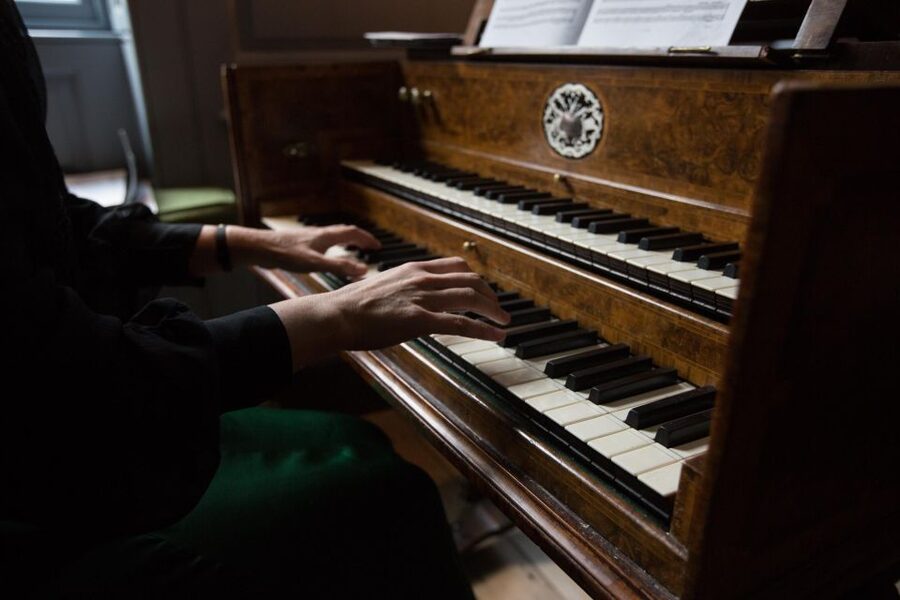
The sound of an antique harpsichord can change the mood of the whole museum. Musicians may practice on one of the instruments during the day, giving you a chance to hear baroque music in the rooms where Handel composed and rehearsed.
This is not guaranteed as a formal concert. It is better understood as an occasional live musical moment during your museum visit. If you are lucky, you may hear a rehearsal of Handel’s music. The sound is bright, crisp, and very different from the modern piano, so it helps you picture the musical world of the house.
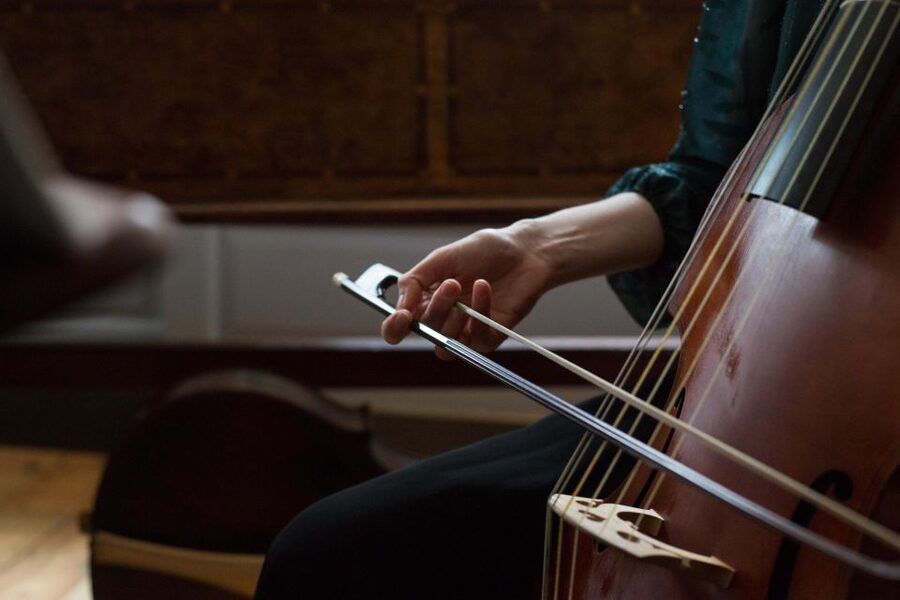
The live element was one of the most praised features of the experience. A cello concert has also taken place at the museum, while Saturday afternoon live music may require separate event admission. Your standard museum ticket includes entrance fees, but it does not include special events.
That distinction is important. Do not buy the basic ticket expecting a scheduled concert. Instead, treat any rehearsal or performance you encounter during the visit as an added pleasure, and check event details separately if live music is your main reason for coming.
Handel’s Dressing Room and Final Bedroom
As you continue upward, you reach Handel’s dressing room and the bedroom where he died of old age. The rooms cover both sides of his life in London: the busy composer who worked among important musicians and the older man who spent his final years in a familiar home.
The bedroom is a quieter stop. After the energy of the Messiah story and the Cuzzoni episode, it gives you space to think about the length of Handel’s connection with Brook Street. His 35 years here were not a short London stay. This was the center of his working and personal life.
The Handel house is the more extensive half of the museum. If you come mainly for Hendrix, do not rush through it. The contrast between the two sections makes the full visit more worthwhile, and the older rooms provide the strongest sense of original domestic surroundings.
A few more trips worth a look before you book
- From London: Harry Potter Warner Bros Studio Tour
★ 4.7 · 26,588 reviews - London: Westminster to Greenwich River Thames Cruise
★ 4.5 · 22,836 reviews - Magical London: Harry Potter Guided Walking Tour
★ 4.7 · 22,044 reviews - London: Madame Tussauds London
★ 4.6 · 20,915 reviews
Moving Upstairs to 1960s London
The third floor changes the date, mood, and cultural setting. You move from Handel’s baroque London to the 1960s, when Jimi Hendrix lived at 23 Brook Street with his girlfriend Kathy Etchingham.
Hendrix described the flat as the first place he had ever truly called home. That idea gives the room more weight than a simple display about a famous musician. You see the domestic side of an artist usually remembered through stage photographs, loud guitars, and powerful performances.
The flat was painstakingly recreated through research, with Kathy Etchingham helping with many small details. The result is colorful and evocative, according to the experience of the visit, but you should understand what you are seeing. It is a reconstruction, not a room preserved with all of Hendrix’s original belongings.
One review specifically noted that there are not many authentic pieces from the flat, with a mirror identified as an original object. That is a fair limitation. If you expect a room packed with Hendrix’s actual possessions, you may be disappointed. If you approach it as a carefully researched portrait of how the flat looked and felt, it becomes more satisfying.
Jimi Hendrix’s Records, Guitar, Amps, and Pedals
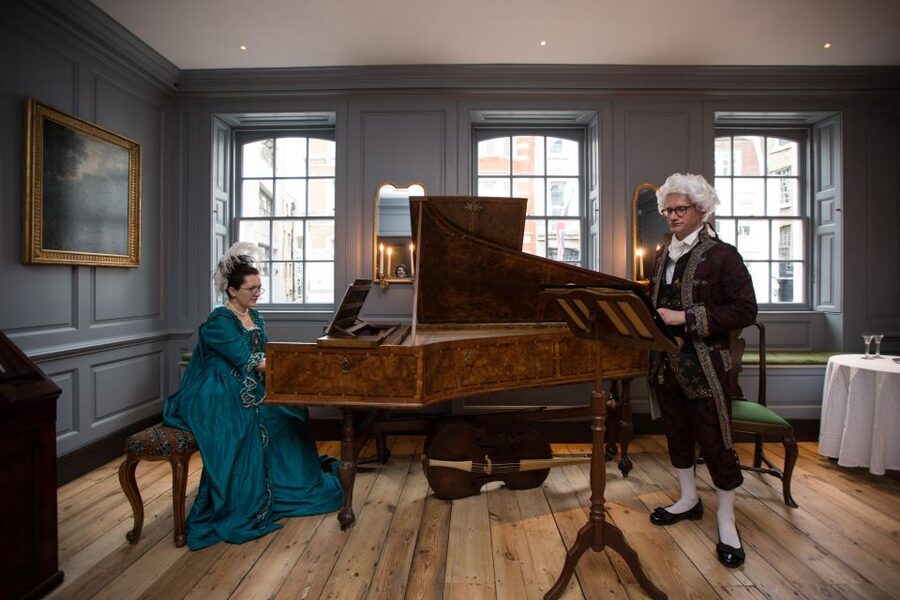
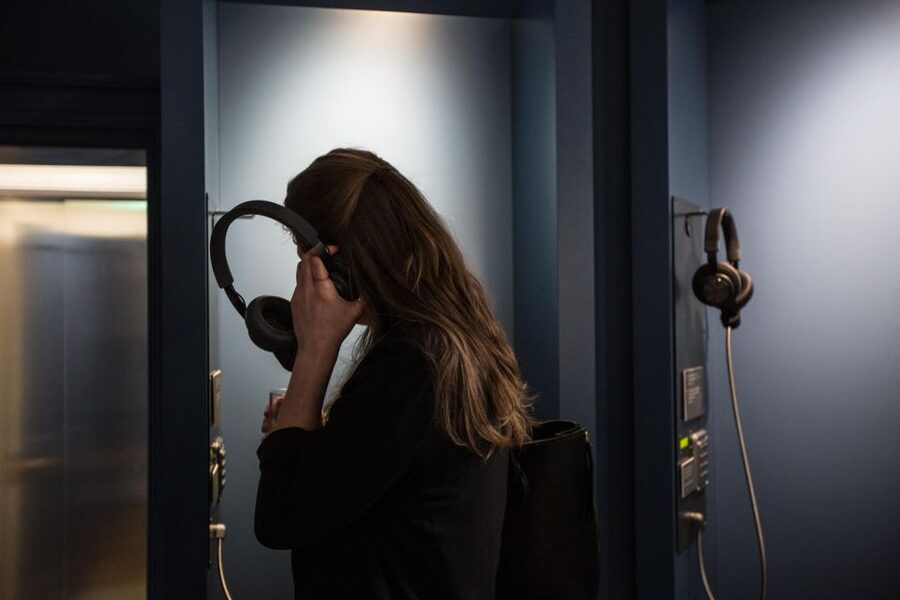
The Hendrix section adds personal detail through his record collection. You can browse the albums he enjoyed and learn about his musical interests through information connected with each record. Kathy Etchingham’s anecdotes help explain the person behind the public image.
This part works best when you take your time. A record collection can tell you more about a musician than a list of awards. It shows what he listened to, absorbed, and perhaps carried into his own work. For Hendrix fans, these details may be more rewarding than another display of famous photographs.
You can also learn about the amplifiers and effects pedals Hendrix used to create his distinctive sound. This gives the visit a practical angle. Instead of treating his music as pure legend, the exhibition points toward the equipment and choices behind it.
An acoustic guitar is also on display. The combination of guitar, records, amps, and pedals gives you several ways into Hendrix’s work. You can focus on the music, the technology, or the domestic story of a young artist living in London at the height of his fame.
The Hendrix material is smaller in scale than the Handel house, but it can be the emotional highlight for fans. One visitor who came mainly for Hendrix found that section especially rewarding, while another appreciated the way the two artists made the same address meaningful across very different eras.
Why the Handel and Hendrix Pairing Works
At first, Handel and Hendrix may sound like an odd match. One composed for royal and aristocratic audiences in the baroque period. The other reshaped rock guitar in 1960s London. The museum works because it does not require you to pretend they had similar careers.
Their connection is geographic, not musical. They lived at the same address more than two centuries apart, and both used these rooms as part of their working lives. Handel’s rooms show a composer building a long career in London. Hendrix’s flat shows a famous musician creating a personal base in a city that had embraced him.
The change between floors also makes the history easy to grasp. You can feel the jump from harpsichord to electric guitar, from court music to the Swinging Sixties, and from an established composer’s long domestic life to Hendrix’s short, intense period at the flat.
That contrast is the museum’s central idea. If you want only a Hendrix attraction, the Handel rooms may feel like an unexpected extra. If you like the story of London through music, the pairing gives you far more to think about.
Time Needed and How to Pace the Visit

The basic visit can take an hour or two. That works if you read the main information, pause in the rooms, and spend time with the Hendrix displays. Set aside two to three hours if you want to study the records, equipment, and panels closely, or if a live rehearsal is taking place.
I would begin with the Handel rooms at an unhurried pace. Notice the domestic layout, listen for the harpsichord, and take in the stories about his work and temper. Then give the Hendrix section enough time to work through the record collection and equipment displays rather than treating it as a quick photo stop.
The museum is small, so it can feel crowded if many people arrive together. The group format is limited to nine participants, which helps keep the experience manageable. English is the language used by the host or greeter and in the museum information.
Volunteer guides can add a lot. A guide in the Hendrix area was described as enthusiastic and engaging, and staff members have helped explain extra details when information panels were limited. If someone is available, ask questions. The human stories are often the best part of a house museum.
Who Will Get the Most From the $19 Ticket?
I would recommend this to music lovers, fans of Handel or Hendrix, and anyone who enjoys historic homes with a strong personal story. It also suits a visitor looking for a shorter Mayfair activity that feels different from a standard gallery or major London attraction.
The ticket is especially good value if you appreciate both sections. You get a historic Handel residence, a recreated Hendrix flat, musical instruments, record displays, and the chance of hearing live practice for about $19.
The value is less clear if you are visiting only for original Hendrix objects. The recreation is carefully researched, but the number of authenticated items is limited. Hendrix fans should come for the room, the records, Kathy Etchingham’s memories, and the sound equipment, not for a large collection of personal artifacts.
Handel fans should allow extra time for the lower rooms. The museum gives his house more space, and the connection with Messiah is the strongest single reason to visit. You may also enjoy the occasional harpsichord practice more than a conventional recorded audio guide.
Practical Details for a Smoother Visit
The museum is open for a one-day-valid admission, with starting times subject to availability. You can cancel up to 24 hours in advance for a full refund, and the reserve now, pay later option lets you keep plans flexible.
Entry to special events is not included. That may include live music programs, so check before booking if you want a concert rather than a museum visit.
Leave suitcases and large bags elsewhere. They are not allowed inside. The listed meeting point is:
Handel Hendrix House
25 Brook Street
Mayfair, London
W1K 4HB
Bond Street Station, on the Central and Jubilee lines, is the closest Tube stop. The museum is in a central part of London, so it can fit neatly between other Mayfair activities, but the visit itself is intimate rather than grand.
Should You Book Handel Hendrix House?
Book it if you want two sharply different music stories in one small London house. The Handel rooms are the stronger historic setting, while the Hendrix rooms offer the more personal modern connection. Together, they make a thoughtful stop that rewards curiosity more than speed.
I would choose this ticket for a music-focused day, a Mayfair walk, or a visit with someone who likes both old homes and popular culture. I would skip it only if your main goal is a large Hendrix collection filled with original belongings, or if you need a full afternoon of exhibits.
At around $19, the museum earns its place through atmosphere, live musical possibility, and the unusual link between two artists who lived centuries apart. Give it at least an hour, ask the guides about the details, and do not hurry past Handel on the way to Hendrix.
FAQ
Where is Handel Hendrix House?
It is at 25 Brook Street in Mayfair, London, W1K 4HB. Bond Street Station, served by the Central and Jubilee lines, is the nearest Tube station.
How long does a visit take?
You can explore the museum in about one or two hours. Allow two to three hours if you want to read the displays closely and spend more time with the instruments and Hendrix collection.
What does the ticket include?
The ticket includes museum entrance fees. Entry to special events is not included.
Is live music included with admission?
Not necessarily. Musicians may practice on the harpsichord during the day, and the museum may hold live music events, but event admission is separate from the standard museum ticket.
Is the museum wheelchair accessible?
The activity is listed as wheelchair accessible. The house also has a 250-year-old historic stairway, so contact the museum in advance if you need details about the accessible route.
Can I bring luggage or a large bag?
No. Luggage and large bags are not allowed.
Can I cancel my booking?
Yes. You can cancel up to 24 hours in advance for a full refund. The reserve now, pay later option is also available.
Recently added around London
- PRIVATE HIRE 45 min Speedboat Tour – Embankment/Westminster Pier★ 5.0 · 55 reviews
- Private Tour of London’s Historic Pubs★ 5.0 · 55 reviews
- From London: Glastonbury and Cheddar Gorge Guided Day Trip★ 4.8 · 55 reviews
- London: Kew to Westminster River Thames Cruise★ 4.2 · 55 reviews
- Gatwick Airport Taxi – Private Transfer to/from London★ 5.0 · 55 reviews
- London by Night – Tootbus Sightseeing Tour★ 3.5 · 55 reviews
- London: Tower of London After Hours Tour and Key Ceremony★ 4.8 · 56 reviews
- Palaces, Parliament & Power: A Walking Tour of London’s Royal City★ 5.0 · 56 reviews
Tickets, compared.



Buckingham Palace: The State Rooms Entrance Ticket
Read our review →

Tower of London and Crown Jewels Exhibition Ticket
Read our review →Browse the lists this tour appears in