
Reviewed · BEATLES TOURS
Liverpool Beatles Museum Entry Ticket
Liverpool still carries the sound of four local lads who changed popular music. The Liverpool Beatles Museum brings that story into focus with more than 1,000 authentic items spread across three floors on Mathew Street, just a few steps from the Cavern Club. I like the chronological layout, which lets you follow the Beatles from Liverpool and Hamburg through global fame and their studio years. I also like the close-up look at personal objects, original instruments, letters, photographs, and film footage.
This is a museum for people who enjoy details, not just famous photographs. John Lennon’s glasses, Hamburg-era guitars and drums, Sgt Pepper medals, and the white cello from Magical Mystery Tour give the collection real pull. The main drawback is practical: the Grade II listed building has no lift, so you need to use the stairs between floors.
In This Review
- Key points at a glance
- Why this Mathew Street location matters
- Floor one: Liverpool, Hamburg, and the band before fame
- Floor two: worldwide fame and the public Beatles
- Floor three: studio innovation and rare objects
- What you actually see in the collection
- How long should you allow?
- Should you pay for the audio guide?
- Is the $26 entry price good value?
- Who will enjoy it most?
- Practical tips for a smoother visit
- Final verdict: should you book the museum?
- FAQ
- Where is the Liverpool Beatles Museum?
- How many floors does the museum have?
- How many items are on display?
- What types of objects can I see?
- Can I see John Lennon’s glasses?
- Is an audio guide available?
- How long should I spend at the museum?
- Is the building accessible by lift?
Key points at a glance
- More than 1,000 original items: See instruments, clothing, personal belongings, letters, photographs, footage, and other Beatles material.
- Three floors with a clear timeline: The displays move from the early Liverpool and Hamburg years to the band’s final period.
- Next door to Beatles history: The museum sits on Mathew Street, only yards from the Cavern Club and close to the Hard Days Night Hotel.
- Strongest for committed fans: The large amount of detail rewards anyone who already knows the basic Beatles story.
- Plan on two to three hours: The museum is self-paced, and there is enough to read, watch, and listen to at a leisurely speed.
- Audio guide available: An optional audio service adds context and can help you spot details you might otherwise miss.
Why this Mathew Street location matters
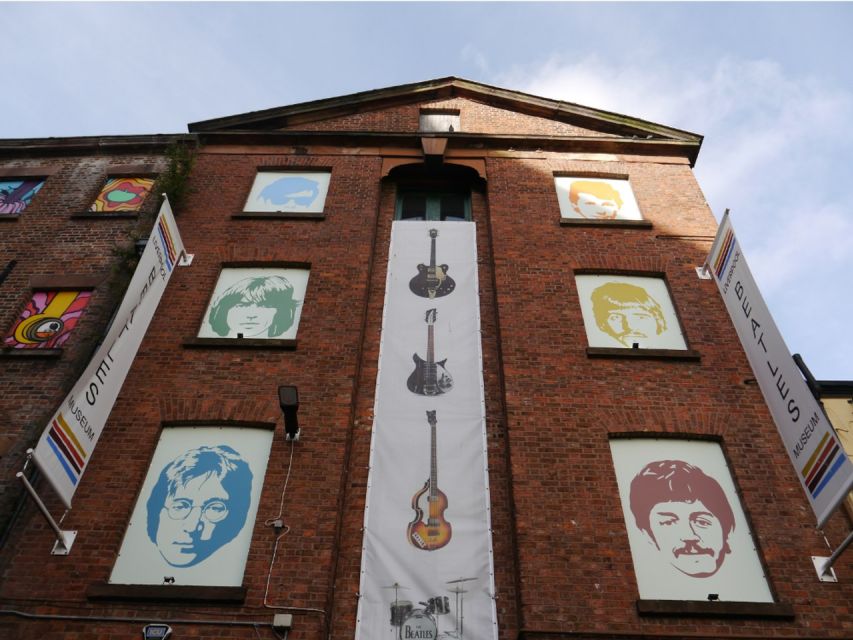
The address does much of the work before you even enter. Mathew Street is one of Liverpool’s key Beatles stops, and the museum is only yards from the Cavern Club. That makes it easy to pair the collection with the place most associated with the band’s early public life.
The museum occupies a Grade II listed building, giving the visit an older, more intimate setting than a large modern attraction. The compact rooms can feel full, but that is also part of the appeal. You are close to the objects rather than walking through vast empty galleries.
I would plan this as part of a Beatles-focused afternoon in central Liverpool. The museum works well before or after the Cavern Club, and its location near the Hard Days Night Hotel makes it easy to find if you are already following the city’s Beatles trail.
More Tickets in Liverpool
- Liverpool: The Beatles Story Ticket
★ 4.7 · 4,197 reviews - Liverpool City Sights Hop On Hop Off City Tour – 24hr Ticket
★ 4.5 · 2,555 reviews - The Beatles Story Experience Ticket
★ 4.5 · 1,393 reviews
Floor one: Liverpool, Hamburg, and the band before fame
The early years are the foundation of the visit, and the museum gives them plenty of space. You begin with the Beatles as a Liverpool group, then follow their move into the demanding club circuit in Hamburg.
This section is particularly useful because it shows that the famous band did not appear fully formed. The early instruments, photographs, clothing, and written material help explain the long period of practice, performance, and travel that came before worldwide success.
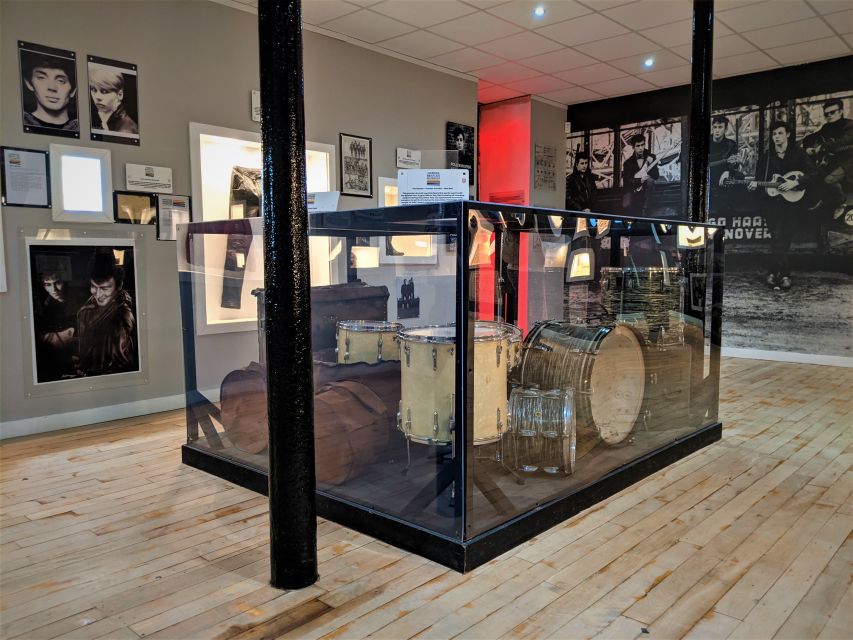
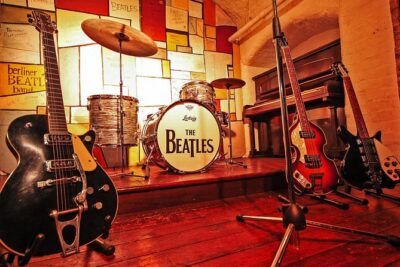
The Hamburg material is one of the major strengths. Original guitars and drums connected with the band’s Hamburg days carry more weight than another wall of reproduced photographs could provide. These are working objects from the time when the Beatles were building their stage skills and developing the sound that later reached a much larger audience.
The displays also place the Beatles among other artists and musical connections of the period. That wider setting matters. The group’s story was never only about four people in isolation, and the museum gives you a better sense of their relationships with other performers and influences.
If you already know the standard Beatles story, pay attention to the smaller labels and personal material. Letters and less familiar photographs can fill gaps between the well-known milestones. If you are new to the band, the timeline helps you understand who they were before the suits, screaming crowds, and television appearances.
One point needs care. The early section gives attention to Pete Best and his time as drummer, but some visitors feel there should be more explanation of his departure and a stronger focus on Ringo Starr’s arrival. The material is still interesting, but the treatment may not answer every question you have about that change in the lineup.
Floor two: worldwide fame and the public Beatles
The next stage follows the Beatles as their local reputation became an international one. The mood changes from hard-working club group to global phenomenon, with the displays showing how quickly their public image and working life developed.
This floor is where the familiar Beatles story becomes larger than Liverpool. You can expect photographs, written explanations, personal items, music, and visual material that place the band in the middle of the 1960s cultural shift.
The collection includes John Lennon’s Sgt Pepper medals, a small object with a strong connection to one of the group’s most recognizable periods. There are also many personal belongings that help move the story away from a simple greatest-hits display. The effect is more human: the Beatles appear as working musicians surrounded by people, places, clothes, instruments, and paperwork.
I appreciate that the displays do not treat the band as a series of isolated album covers. The museum looks at their links with other artists and the creative world around them. That broader view was one of the most enjoyable features for me because it adds context without taking attention away from the Beatles.
Music plays as you move through the museum. This makes the visit more atmospheric, though it can also mean you need to pause to read carefully. The museum has a lot packed into a small area, and the information rewards patience rather than a quick walk-through.
The arrangement remains informal and self-paced. You can move at your own speed instead of staying with a fixed group. That is useful for families or couples with different interests. One person can study a display while another moves ahead, then you can meet again on the next section.
Floor three: studio innovation and rare objects
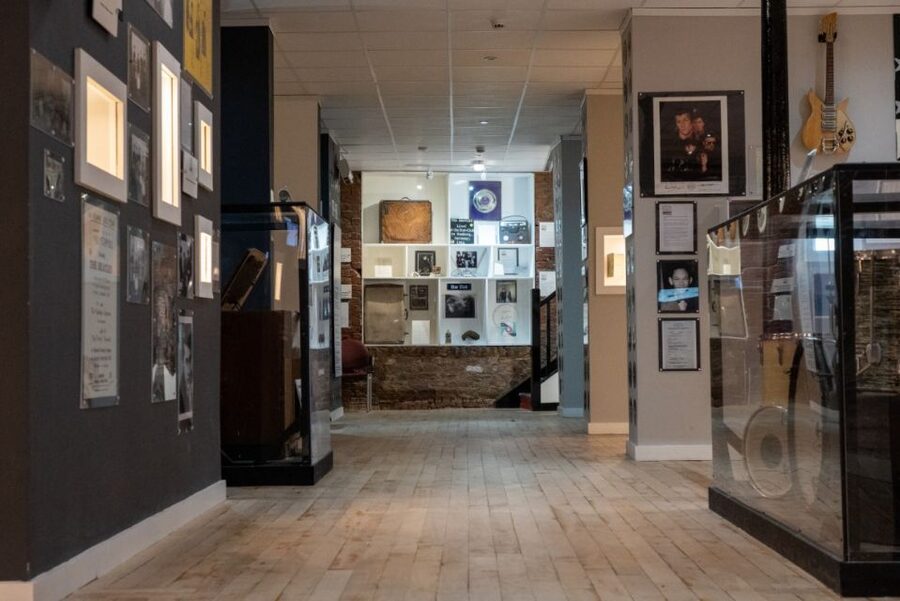
The third floor is often the high point for serious Beatles fans. This is where the collection reaches the band’s later years, when the music became more experimental and the studio itself became a central part of the creative process.
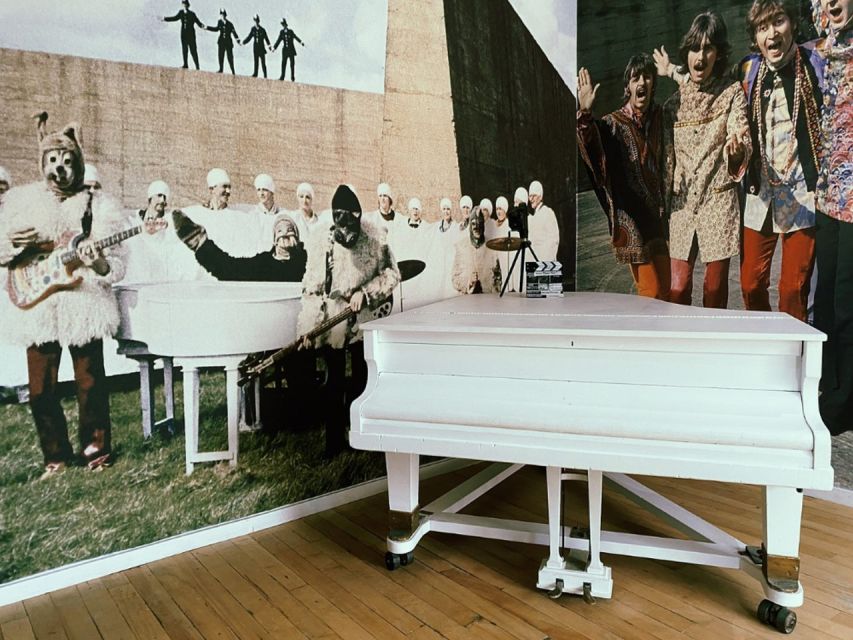
The white cello from Magical Mystery Tour is one of the most distinctive objects here. It is the kind of item that makes the museum feel different from a standard Beatles exhibition. You are not just seeing portraits of the band. You are seeing tools and possessions tied to particular moments in their work.
Paul McCartney’s bass amp is another strong piece. Instruments and equipment can look ordinary at first glance, but their value comes from the people and recordings connected with them. Seeing them in person gives you a more direct link to the practical side of the music.
This floor also includes film, video, photographs, and material from the band’s final years. You may find the later displays more rewarding if you enjoy the Beatles as musicians rather than only as pop stars. The collection shows a group still testing new ideas and changing its methods.
The museum’s coverage largely ends with the Beatles as a band. That is a sensible focus for this attraction, but it means you should not expect a detailed account of each member’s solo career. If you want a full story of John, Paul, George, and Ringo after the split, you will need to seek that elsewhere.
More Beatles Tours:
- Beatles Magical Mystery Tour
★ 5.0 · 9,266 reviews - Liverpool: “Blue Route” – City & Beatles Tour
★ 5.0 · 8,562 reviews - Liverpool: City & Beatles Tour with Live Guide & Live Music
★ 4.8 · 5,249 reviews - Private 3-Hour Guided Beatles Classic Tour of Liverpool
★ 5.0 · 1,074 reviews
What you actually see in the collection
The headline figure is more than 1,000 rare and original items, but the range matters as much as the number. The collection includes:
- Original guitars and drums from the Hamburg period
- John Lennon’s glasses
- John Lennon’s Sgt Pepper medals
- The white cello from Magical Mystery Tour
- Paul McCartney’s bass amplifier
- Letters and personal belongings
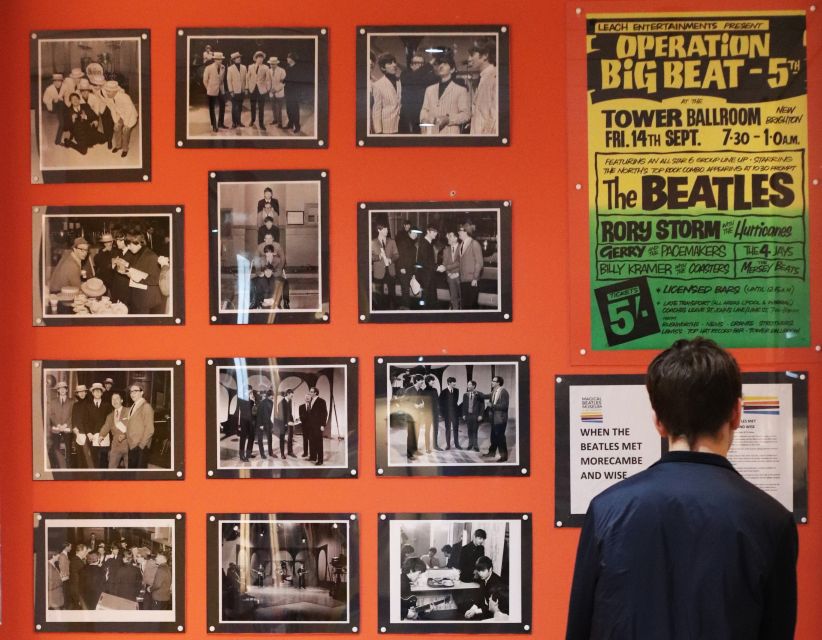
- Photographs and written displays
- Interviews with band members
- Previously unseen footage
- Instruments, clothing, and other period objects
The strongest displays combine an object with an explanation of its place in the story. That helps you understand why it matters instead of simply looking at a famous name on a label.
The photographs are also important. Some offer the expected public images, while others help show the band’s working life and relationships. The museum’s value comes from this mix of major objects and smaller pieces that fill in the gaps.
You will not find a heavily interactive attraction built around rides, large effects, or theatrical rooms. The experience is centered on artefacts and information. One attraction near the docks is more interactive, while this museum is better suited to someone who wants a larger amount of memorabilia and a closer look at the material itself.
How long should you allow?
Give yourself at least two hours. That is enough time for a steady visit, but not enough if you read every panel closely, watch the footage, and use the audio guide.
Many people will be comfortable allowing two to three hours. The museum is valid for one day, so you have flexibility around the rest of your Liverpool plans, but your ticket is for the museum entry rather than a guided city tour.
I would avoid arriving just before closing. A late arrival can leave you rushing through the final floor, which is a poor trade when the collection is so dense. If you are making the museum part of a larger Beatles day, put it early enough that you can stay when an interesting display catches your attention.
There are not many places to sit while listening or reading, so anyone who needs regular breaks should plan accordingly. The building has no lift access, and the three-floor layout requires stairs. That is the key accessibility issue to consider before booking.
Should you pay for the audio guide?
An optional audio service is available at the entrance for a small extra charge. The information provided about the museum does not include the audio in the entry fee, so check the current price when you arrive.
I would choose it if you want more background on the early Liverpool years or if you prefer listening to reading long labels. It can also help first-time Beatles visitors follow the chronology without feeling lost.
You do not need it to enjoy the museum. The written displays, photographs, music, and objects create a complete self-paced visit on their own. Some people prefer to read at their own speed, while others find the audio makes the collection easier to follow.
One point to know is that the recorded commentary may sound artificial rather than like a warm, human guide. If natural narration matters to you, the written displays may be the better choice. The audio is most useful for added context, not for creating a live tour atmosphere.
Is the $26 entry price good value?
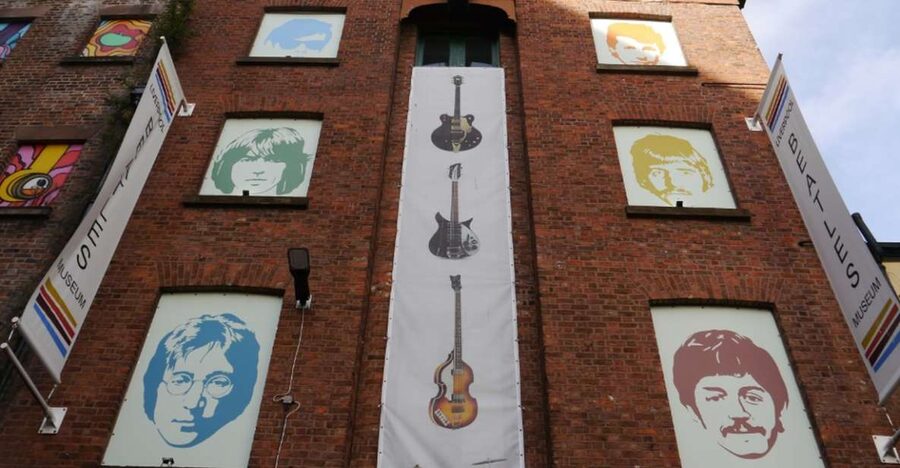
At about $26 per person, the ticket is not the cheapest Beatles attraction in Liverpool. Its value depends on how much you care about original material.
For a serious Beatles fan, the price is easy to justify. You get three floors, more than 1,000 items, rare instruments, personal belongings, photographs, letters, film, and a chronological account of the band. A visit lasting two or three hours also gives the ticket a reasonable cost per hour.
For a casual music fan, the decision is less automatic. The museum is information-heavy and not especially interactive. If you want a short, theatrical introduction with large set pieces, another Beatles attraction may suit you better.
The location improves the value. You do not need to make a separate journey across Liverpool. The museum is in the middle of the Mathew Street Beatles area, so you can combine it with the Cavern Club and other nearby stops.
There is no food or drink included, but that is not a serious issue. The ticket covers museum entry, and the central location makes it simple to eat before or after your visit.
Who will enjoy it most?
I would recommend this museum most strongly to:
- Long-time Beatles fans who want rare objects and lesser-known details
- Music lovers interested in instruments and studio work
- Families with children or teenagers who already enjoy the band
- Visitors building a Beatles-focused day in Liverpool
- Anyone who prefers a self-guided visit over a fixed tour
It is also useful for newcomers, especially if you take the time to follow the timeline. The displays explain the major stages clearly enough for a first visit, though the quantity of information can feel heavy if you know very little about the band.
You may want to choose another attraction if you need step-free access, want a highly interactive experience, or mainly care about the solo careers of the four members. The museum has a clear focus: the Beatles as a group, from their Liverpool beginnings to the end of the 1960s.
Practical tips for a smoother visit
Buy a ticket with enough time in your day to stay longer than planned. The museum is easy to underestimate because the building is not huge, but the collection is tightly packed.
Start at the beginning and follow the floors in order. The chronological arrangement is one of the museum’s best features, and skipping around makes the story less clear.
Bring reading glasses if you use them. There are many labels and written explanations, and the value of the visit comes from the details as much as from the larger objects.
Consider the audio guide if you want help with the early years. Otherwise, read the displays and let the music provide the soundtrack.
Leave room for the gift shop at the end. It is described as a small shop with reasonably priced Beatles gifts, so it may be useful for souvenirs without turning the visit into a major shopping stop.
If you have limited mobility, contact the attraction before booking because the Grade II listed building has no lift. The stairs are not a minor detail when the exhibition occupies three floors.
Final verdict: should you book the museum?
Book it if you want original Beatles objects, a strong chronological layout, and a museum that rewards time. The Hamburg instruments, John Lennon’s glasses and medals, the white cello, Paul McCartney’s bass amp, and the personal papers give the visit substance beyond familiar photographs.
I would not choose it only for a quick Beatles introduction or a highly interactive show. But if you already care about the band, or you want to understand how four Liverpool musicians developed into a world-changing group, this is one of the better uses of a few hours in the city.
The best plan is simple: allow two to three hours, use the optional audio if you like added explanation, wear comfortable shoes for the stairs, and pair the museum with the Cavern Club nearby. At $26, it offers good value for fans who want the real objects and the long story behind them.
FAQ
Where is the Liverpool Beatles Museum?
It is on Mathew Street in the heart of Liverpool, only yards from the Cavern Club.
How many floors does the museum have?
The museum covers three floors in a Grade II listed building.
How many items are on display?
The collection includes more than 1,000 rare and original Beatles items.
What types of objects can I see?
You can see instruments, personal belongings, letters, photographs, clothing, film footage, interviews, and other Beatles material.
Can I see John Lennon’s glasses?
Yes. John Lennon’s glasses are among the individual items displayed in the museum.
Is an audio guide available?
Yes. An optional audio service is available at the entrance for a small additional charge.
How long should I spend at the museum?
Allow at least two hours. If you read the displays carefully and watch the footage, two to three hours is a better plan.
Is the building accessible by lift?
No. The Grade II listed building does not provide lift access, so you need to use the stairs between floors.
More Museum Visits
- Liverpool: Liverpool Football Club Museum and Stadium Tour
★ 4.8 · 10,764 reviews - Skip the Line: Liverpool Beatles Museum – The perfect tribute to the Beatles
★ 4.5 · 321 reviews - Skip-the-Line in The National Museum of Popular Music Ticket
★ 4.5 · 205 reviews - Anfield Abseil with Free Entry to the LFC Museum
★ 5.0 · 171 reviews
Recently added around Liverpool
- Beatles Ticket To Ride Half Day Tour Small Groups★ 5.0 · 60 reviews
- North Wales and Caernarfon Castle day-tour from Liverpool★ 5.0 · 64 reviews
- Beatles Liverpool Childhood Homes Tour exc National Trust tickets★ 5.0 · 67 reviews
- Ultimate Beatles Ticket To Ride Shore Excursion-Small Groups★ 5.0 · 67 reviews
- Liverpool: Silent Disco Adventure Tour★ 4.6 · 76 reviews
- Liverpool with a Local: Walking Tour (10:30am)★ 5.0 · 80 reviews
- Liverpool: Private Beatles Tour★ 4.8 · 85 reviews
- Liverpool City Centre Highlights Tour★ 5.0 · 88 reviews
Beatles Tours, compared.
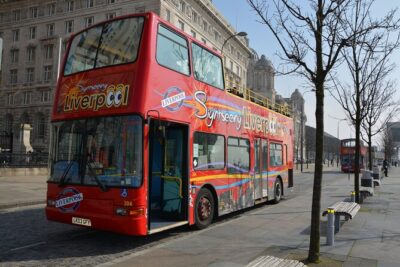

City & Beatles Tour with Live Guide & Live Music
Read our review →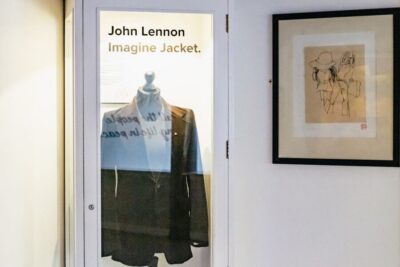

Private 3-Hour Guided Beatles Classic Tour of Liverpool
Read our review →
Mad Day Out Beatles Taxi Tours in Liverpool, England
Read our review →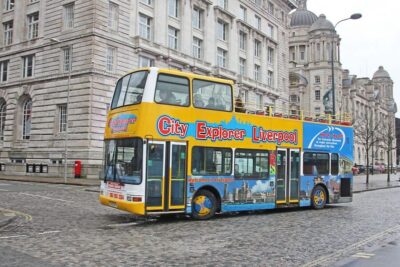
Browse the lists this tour appears in