
Reviewed · TICKETS
London: Kew Gardens Admission Ticket
London has a garden big enough to lose yourself in. Kew Gardens gives you 326 acres of rare plants, historic buildings, art, and open paths just 30 minutes from central London. I especially like the remarkable glasshouses and the chance to move from a tropical rainforest to a Japanese garden in one visit. The treetop walkway and The Hive also give the day a welcome change of pace.
The main drawback is the size. You can spend six hours here and still miss things, so this is not a quick stop between other London sights. At $32 per person, admission feels fair if you use most of the day, but food costs extra and the popular Explorer train also requires a separate ticket.
In This Review
- Five things to know before visiting Kew Gardens
- Getting to Kew Gardens from central London
- Starting with the glasshouses
- Walking beneath old trees in the Arboretum
- Rising 18 metres on the treetop walkway
- The Hive and the work of bees
- Kew Palace and the royal kitchens
- Art galleries, sculptures, and seasonal displays
- How long should you spend at Kew?
- Food, breaks, and the cost of the day
- Who will enjoy Kew Gardens most?
- Should you book Kew Gardens?
- FAQ
- How long is the Kew Gardens ticket valid?
- How much does admission to Kew Gardens cost?
- How do I get to Kew Gardens by public transport?
- Is the Explorer train included with admission?
- Is Kew Palace open all year?
- Is Kew Gardens wheelchair accessible?
- Can I bring my pet to Kew Gardens?
Five things to know before visiting Kew Gardens
- The glasshouses are the heart of the visit: The Palm House, Waterlily House, and Princess of Wales Conservatory offer warm, exotic plant displays even when London weather is poor.
- The site is genuinely huge: Set aside at least four hours, and preferably a full day, if you want to see the gardens, buildings, Arboretum, and treetop walkway without rushing.
- The Hive is more than a sculpture: This 17-metre structure uses 170,000 aluminium parts and 1,000 LED lights to recreate the sights and sounds of a bee colony.
- The treetop walkway adds a fine view: You rise 18 metres above the ground among the upper branches, though access may be harder for some people with limited mobility.
- The train is not included: The Explorer costs an additional £6 per person, but it can help you understand the layout and save your legs.
Getting to Kew Gardens from central London
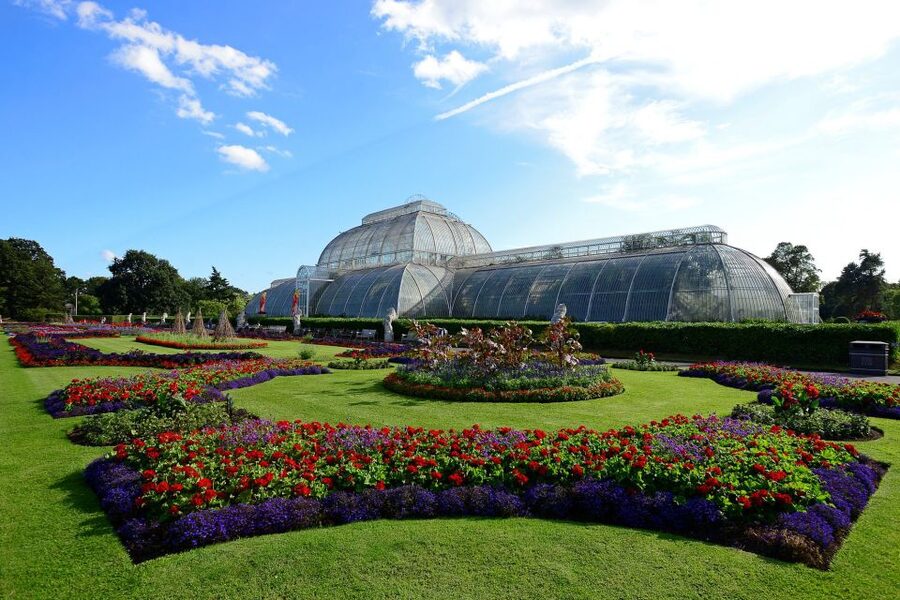
Kew Gardens is in southwest London, about 30 minutes from the city centre by Underground or Overground train. The most convenient entrance for public transport is Victoria Gate on Kew Road, close to Kew Gardens station.
You can arrive at any entrance, but Victoria Gate is the practical choice if you are coming by rail. It puts you near the main paths and avoids an unnecessary walk before your day has even begun.
The ticket is valid for one day, and last admission is one hour before closing. Check the opening hours for your chosen date because the gardens open at 10:30 AM on March 31, and they close on December 24 and 25. Kew Palace is closed during winter, so check the seasonal details if that building is high on your list.
Free walking tours take place at least twice daily when available. They can help you get your bearings and add context to the plant collections, but I would not build your entire schedule around one. Availability can change.
More Tickets in London
- London: The London Eye Entry Ticket
★ 4.6 · 35,875 reviews - London: Tower Bridge Entry Ticket
★ 4.7 · 15,560 reviews - London: Westminster Abbey Entrance Ticket
★ 4.6 · 11,254 reviews
Starting with the glasshouses
Kew’s glasshouses give you the most concentrated display of unusual plant life. They are also the safest place to begin if the forecast is wet, chilly, or uncomfortably hot.
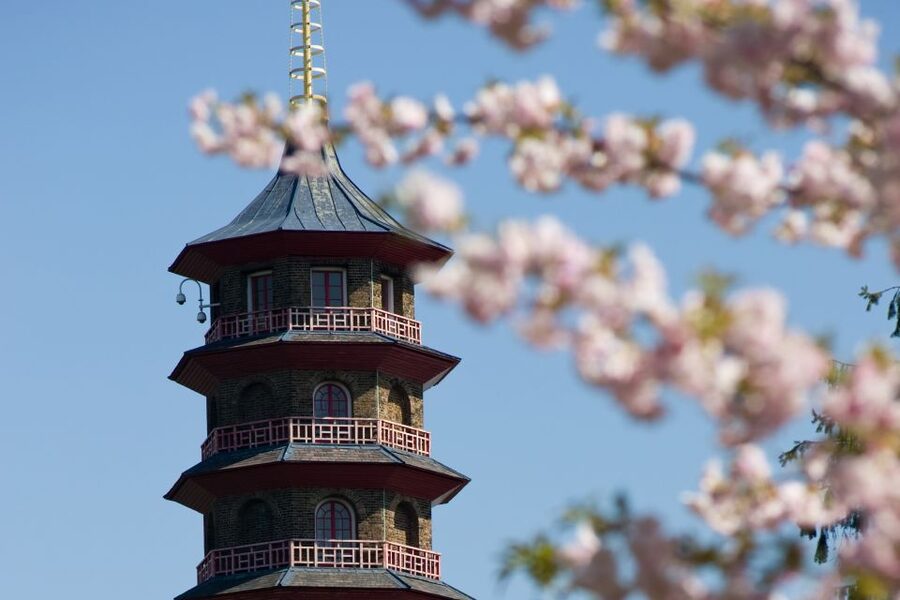
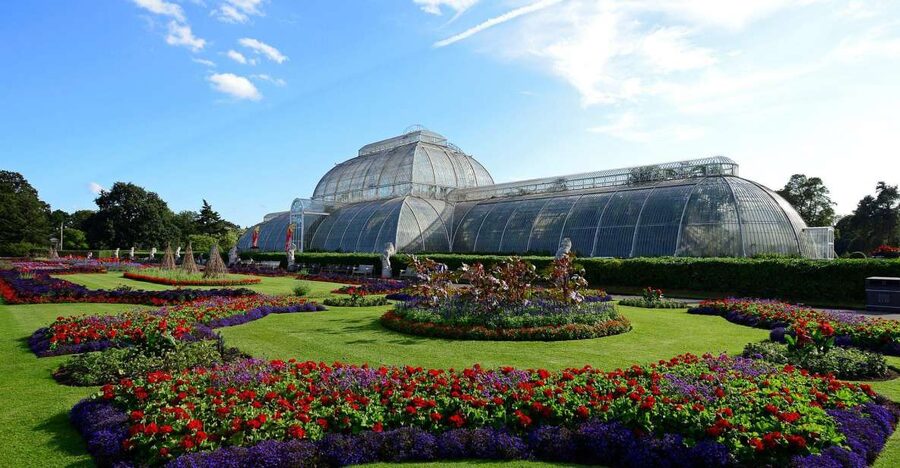
The Palm House feels like a trip to a tropical island without leaving London. You walk among palms and exotic flowers in a warm rainforest setting, with dense plantings and humid air creating a strong contrast with the open grounds outside. Several people have compared the experience to a short holiday in the Canary Islands, which is a useful way to picture the mood.
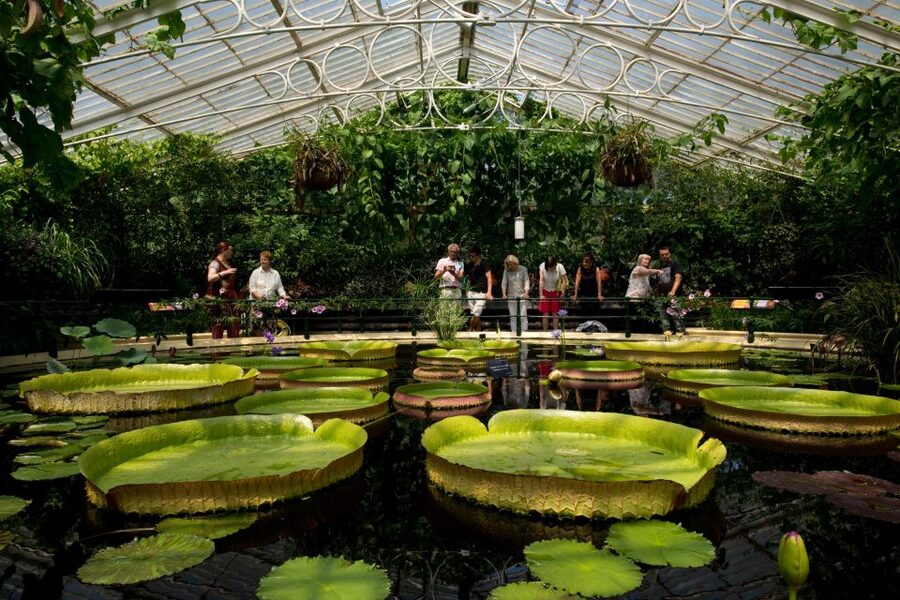
The Waterlily House is smaller but memorable. Its giant lily pads are the main attraction, floating in pools that may also contain koi. This is a good stop for families, photographers, and anyone who wants a strong visual highlight without a long walk.
The Princess of Wales Conservatory takes you through 10 climate zones. That variety matters because you are not simply looking at one large room of tropical plants. The displays change as you move through different growing conditions, giving you a clearer sense of how plant life adapts around the world.
Allow time to read the labels. Kew is not only a pretty park. The information helps explain why the plants matter, where they grow, and how they fit into wider botanical research. If you arrive late in the day, visit the glasshouses first. They close before the grounds, and you do not want to spend your final hour outdoors only to find your preferred building unavailable.
Walking beneath old trees in the Arboretum
The Arboretum holds more than 14,000 trees and gives Kew its spacious, calm character. This is where the garden feels less like a series of attractions and more like a place for a long walk.
The scale can surprise you. Paths stretch well beyond the most famous buildings, and the quieter sections reward anyone willing to move away from the headline sights. You will see unusual shrubs, flowering plants, mature trees, sculptures, and broad stretches of lawn.
I like this part best for slowing down after the busier glasshouses. You can read plant labels, find a bench, and let the day unfold at your own pace. Do not expect a compact route. Some paths are a long way from the central areas, and extra benches in the more remote sections would make the visit easier for tired feet.
A hot day changes the experience. Some parts have shade, but there are also wide open areas with limited cover. Bring water, take breaks, and avoid trying to cover every corner at midday if the temperature is high. On a cool, bright day, the outdoor gardens are at their best.
Rising 18 metres on the treetop walkway
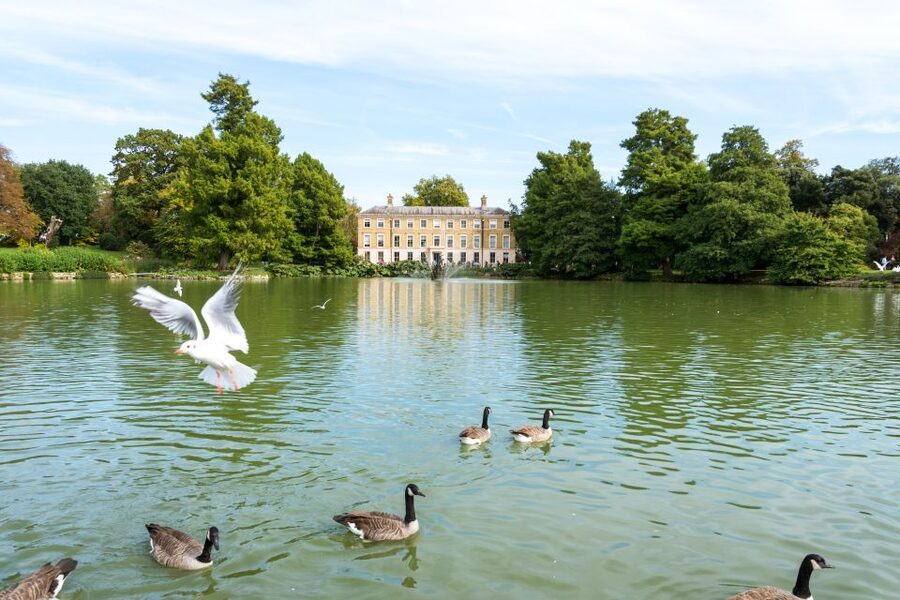
The treetop walkway lifts you 18 metres above the ground, giving you a different view of Kew’s mature trees. From this height, you look across the upper branches rather than simply walking beside trunks and flower beds.
It is one of the strongest parts of the day because it changes your sense of scale. The gardens are already large at ground level, but the elevated path shows how much space the tree canopy occupies above you.
The walkway is especially good for children and anyone who likes a little height without committing to a major thrill ride. It is not designed as a fast attraction. You walk at your own pace and stop to look out.
Access deserves a practical note. Some parts of the route can be difficult for people with limited movement, so check the current arrangements before you go if this is a concern. Kew Gardens is wheelchair accessible overall, and an elevator reaches the upper floors of Kew Palace, but the treetop walkway may not be equally easy for every visitor.
A few more trips worth a look before you book
- From London: Harry Potter Warner Bros Studio Tour
★ 4.7 · 26,588 reviews - London: Westminster to Greenwich River Thames Cruise
★ 4.5 · 22,836 reviews - Magical London: Harry Potter Guided Walking Tour
★ 4.7 · 22,044 reviews - London: Madame Tussauds London
★ 4.6 · 20,915 reviews
The Hive and the work of bees
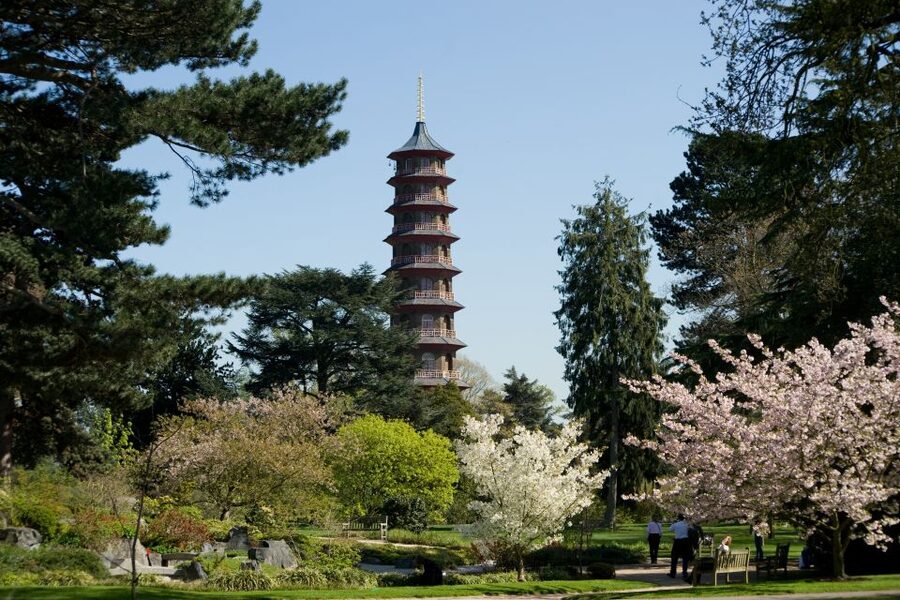
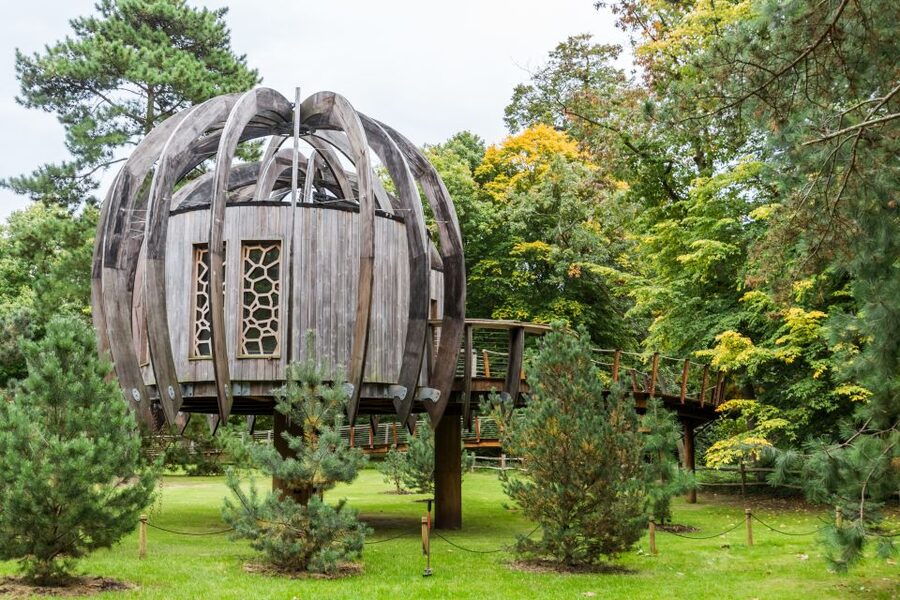
The Hive is one of Kew’s most unusual structures. It rises 17 metres and is made from 170,000 aluminium parts with 1,000 LED lights.
Its design mimics the visual and sound effects of a working beehive. The result is part artwork, part science lesson, and part sensory experience. You learn about the life of bees and the role they play in the health of the planet, rather than simply looking at a decorative installation.
I would place The Hive high on your list if you are visiting with children, but adults will find plenty to think about too. It gives the visit a useful environmental focus and breaks up the long sequence of plants and historic buildings.
The installation also works well after the glasshouses. You move from controlled climate zones to a structure that asks you to consider the tiny creatures supporting much of the natural world around us.
Kew Palace and the royal kitchens
Kew Palace offers a more intimate stop than the grand open grounds. Inside, you can see the bedrooms of princesses, a small dining room, and the newly restored Georgian Royal Kitchens.
The palace is valuable because it shows daily royal life on a smaller scale. You are not touring an enormous ceremonial residence. Instead, the rooms give you a closer look at bedrooms, meals, and domestic routines.
Plan this stop around the season. Kew Palace is closed in winter, so do not assume it will be available during a cold-weather visit. The gardens remain worthwhile outside the palace season because the glasshouses provide shelter and plant displays year-round, but you should adjust your expectations.
The building is wheelchair accessible, with an elevator to the upper floors. Children aged 16 and under must be accompanied by an adult, which applies across the visit.
Art galleries, sculptures, and seasonal displays
Admission also includes three art galleries. Kew regularly places art among the plants and paths, so the visit is not limited to botanical displays.
Large outdoor sculptures can appear in unexpected corners, and temporary exhibitions add a reason to return at different times of year. A Queer exhibition connecting plant life with human stories was praised for making visitors stop and think. Marc Quinn sculptures have also been shown in the gardens, where the natural setting gave the work extra impact.
Seasonal events can change the feel of Kew. Orchid displays in winter and spring may be a major draw, while holiday decorations create a different atmosphere even during daylight. Check what is showing on your date, but do not book solely for a temporary display unless you confirm its schedule.
This is also a good reason to revisit. The same paths can feel different in spring, summer, autumn, and winter, and changing plant displays give repeat visits real value.
How long should you spend at Kew?

You can see a few highlights in three or four hours, but I would give Kew a full day. The grounds are too large for a rushed circuit, and the distance between the glasshouses, Arboretum, palace, galleries, and treetop walkway adds up.
A sensible first visit could look like this:
- Start with the Palm House and Waterlily House.
- Continue to the Princess of Wales Conservatory.
- Walk through the central gardens and stop at The Hive.
- Take the treetop walkway.
- Have lunch or a snack.
- Spend the afternoon in the Arboretum and visit Kew Palace if it is open.
- Finish with a gallery, shop, or garden section you missed earlier.
If you arrive later in the day, see the buildings you care about first, then walk the grounds. That simple decision prevents disappointment when indoor attractions close.
The Explorer train costs an additional £6 per person. I would consider it if you have limited energy, children in your group, or only a few hours. It moves at a relaxed pace and helps you understand the layout. If you have a full day and enjoy walking, you may prefer to keep the extra money and explore on foot.
Food, breaks, and the cost of the day
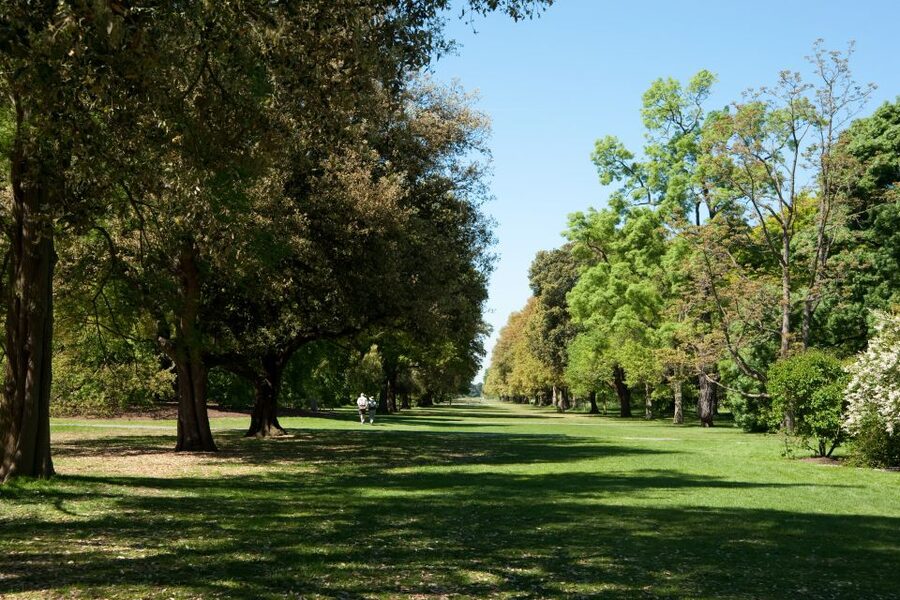
The $32 admission price is not cheap, but Kew offers far more than a standard public park. You receive access to 326 acres, major glasshouses, three galleries, the treetop walkway, Kew Palace when open, The Hive, and the Arboretum.
I think the ticket earns its value when you stay for five hours or more. If you only want a short stroll, the price may feel steep. The scale and number of included sights make Kew a stronger choice for a full day than for a quick morning visit.
Food and drinks are not included. Cafes and restaurants serve hot meals and traditional afternoon teas, but prices inside the gardens can be high. Some meals are perfectly acceptable, while cafe service may slow down during busy periods. Gluten-free choices may also be limited, so you should check before relying on an on-site lunch.
Picnic areas are available, and the area around Kew station has pubs, bakeries, and places to eat. A practical plan is to bring food or eat outside the garden if you want better control over cost and dietary needs. Remember that leaving and returning may depend on the entry arrangements for your ticket, so confirm this at the gate before exiting.
Who will enjoy Kew Gardens most?
I recommend Kew to plant lovers, families, photographers, art fans, and anyone who wants a quieter day away from central London. It suits people who like to choose their own pace rather than follow a fixed tour.
It is also a strong choice for repeat visits. You can return for different seasonal displays, orchids, outdoor art, or simply another walk through the trees. London residents could get more value from membership, while short-term visitors should plan carefully to make the one-day ticket worthwhile.
Kew is less suitable if you dislike walking, need a tightly packed schedule, or want a single famous sight you can see in 90 minutes. The site rewards patience. You need comfortable shoes, a plan, and a willingness to skip some sections rather than race through all of them.
Kew is fully wheelchair accessible, but the long distances and some access points, including the treetop walkway, may still require planning. Assistance dogs are allowed, but other pets are not.
Should you book Kew Gardens?
Book it if you can spare most of a day. The glasshouses alone make the trip worthwhile, while The Hive, Kew Palace, the Arboretum, galleries, and treetop walkway fill out the experience.
At $32, I would not buy this ticket for a brief visit. I would book it for a slow day with good walking weather, or for a rainy day when the Palm House and other conservatories provide shelter. Choose the official entry option carefully if you want the smoothest arrival, check seasonal closures, and decide in advance if the extra-cost train is useful.
Kew offers a rare combination: serious plant collections, open space, royal rooms, modern art, and a calm setting reached easily from London. Give it time, and the admission fee becomes good value.
FAQ
How long is the Kew Gardens ticket valid?
The admission ticket is valid for one day.
How much does admission to Kew Gardens cost?
The listed price is $32 per person.
How do I get to Kew Gardens by public transport?
Kew Gardens is about 30 minutes from central London by Underground or Overground train. Victoria Gate on Kew Road is the closest entrance to Kew Gardens station.
Is the Explorer train included with admission?
No. The Explorer train is not included and costs an additional £6 per person.
Is Kew Palace open all year?
No. Kew Palace is closed during winter.
Is Kew Gardens wheelchair accessible?
Yes. Kew Gardens is fully wheelchair accessible, and an elevator provides access to the upper floors of Kew Palace. The treetop walkway may be more difficult for some people with limited movement.
Can I bring my pet to Kew Gardens?
No pets are allowed. Assistance dogs are permitted.
Recently added around London
- PRIVATE HIRE 45 min Speedboat Tour – Embankment/Westminster Pier★ 5.0 · 55 reviews
- Private Tour of London’s Historic Pubs★ 5.0 · 55 reviews
- From London: Glastonbury and Cheddar Gorge Guided Day Trip★ 4.8 · 55 reviews
- London: Kew to Westminster River Thames Cruise★ 4.2 · 55 reviews
- Gatwick Airport Taxi – Private Transfer to/from London★ 5.0 · 55 reviews
- London by Night – Tootbus Sightseeing Tour★ 3.5 · 55 reviews
- London: Tower of London After Hours Tour and Key Ceremony★ 4.8 · 56 reviews
- From London: Cotswolds Guided Trip Including Bourton-on-the-Water★ 4.5 · 56 reviews
Tickets, compared.

Buckingham Palace: The State Rooms Entrance Ticket
Read our review →

Tower of London and Crown Jewels Exhibition Ticket
Read our review →Browse the lists this tour appears in