

Reviewed · WORKSHOPS
London: Traditional Scone Making Workshop
Some London treats are better made than bought. This 1.5-hour scone class in Balham turns a familiar English snack into a hands-on lesson, with your own batch to eat and take home. I especially like the choice of classic, cheese, or sultana scones, plus the relaxed tea service at the end. The teachers, including JoJo and Lola, have years of teaching experience and are praised for their patience and warmth. The main consideration is value: at $80 per person, this is not a cheap snack stop, though the small-group teaching and generous batch of scones help make the price easier to justify.
I also like that you do the work yourself rather than simply watching a demonstration. You mix, shape, and bake your own scones, then learn the proper British approach to jam, clotted cream, and tea. You should allow extra time for the journey to the venue and check the exact meeting instructions, since you must buzz for Cook and Craft Collective and wait in reception to be collected.
In This Review
- What makes this workshop worth your time
- Why making scones in Balham beats another afternoon tea
- Arriving at the Cook and Craft Collective venue
- The first stage: choosing your scone
- Mixing, shaping, and baking your own batch
- Tea time, clotted cream, and the great topping debate
- Taking your scones home
- How personal is the class?
- Is $80 a fair price?
- Who will enjoy this most?
- Practical booking advice for your London schedule
- Should you book the scone workshop?
- FAQ
- How long does the traditional scone workshop last?
- How much does the workshop cost?
- Which types of scones can I make?
- Are ingredients and equipment included?
- Do I get to eat the scones during the class?
- Can I take scones home?
- Can I bring my own wine?
- What should I wear or bring?
What makes this workshop worth your time

- You make a full batch from scratch: This is a practical class, not a pastry tasting.
- Three scone styles are available: Pick classic, cheese, or sultana, depending on your taste and the current class arrangements.
- Tea, jam, and clotted cream finish the lesson: The final snack is part of the experience, not an afterthought.
- Small groups make the class personal: Some sessions have had only three or four people, with plenty of help from the instructors.
- JoJo is a major part of the appeal: Her friendly teaching style, local suggestions, and patience receive repeated praise.
- You leave with scones for later: The batch you make is large enough to enjoy during the rest of your London stay or share at home.
Why making scones in Balham beats another afternoon tea

London gives you endless chances to eat a scone. Hotel lounges, department stores, bakeries, and afternoon tea rooms all offer them. This workshop gives you something those places cannot: a basic skill you can carry home.
That matters because scones are simple in theory but easy to mishandle. The class focuses on the small choices that affect the result, from working the dough to producing a tender texture. You are not just handed a plate and told that clotted cream belongs on top. The teaching includes the traditional way to eat them, along with the familiar British question of whether jam or cream goes on first.
I like this kind of food activity because it connects a dish to daily life. Scones are not grand restaurant food. They are home baking, tea breaks, village fairs, and family recipes. Learning to make them in London gives you a more useful souvenir than another photograph of a pastry case.
The class is taught in English, and all ingredients and equipment are supplied. That keeps the activity easy for visitors who do not want to buy baking supplies or carry ingredients around the city.
A few more trips worth a look before you book
- London: Traditional English Scone Making and Tea Workshop
★ 5.0 · 702 reviews - London: East End Street Art Tour and Spray Painting Workshop
★ 4.8 · 297 reviews - London Traditional English Scone Making and Tea Workshop
★ 5.0 · 271 reviews
Arriving at the Cook and Craft Collective venue
The workshop takes place in the Balham area of South East England. The arrival instructions are important: buzz for Cook and Craft Collective, then wait in reception until someone collects you. This is not the sort of activity where you should wander into an obvious shopfront and expect a host to meet you immediately.
Several participants have found the area easy to reach by public transport. One family used the Tube to the nearby Clapham North art center, while another group took an Uber from central London. Since the exact starting time depends on the date you choose, check the route before setting out and leave a little spare time.
The venue itself is described as a cosy kitchen or a small, cute room. That helps explain the intimate feel of the class, but it also means you should not expect a large culinary school with rows of professional workstations. The compact setting is part of the charm. You get direct help, conversation, and a closer look at the process.
There is an onsite cafe, but it is separate from the workshop business. You may buy a drink there if you arrive early, but that purchase is not part of your class booking. The meeting instructions ask you to wait in reception rather than settle in at the cafe.
Wear comfortable clothes and closed-toe shoes. Baking is a practical activity, and you will be working at a station rather than sitting through a talk.
The first stage: choosing your scone

One useful feature is the choice between three types of scones. Classic scones are the natural pick if you want the full jam, cream, and tea experience. Sultana scones add fruit and sweetness, while cheese scones move in a savory direction and may suit you if you are less interested in a dessert-style finish.
The availability of the cheese option is worth confirming when you book or when you arrive. One participant expected to make cheese scones but found that option was not available during the class. The published choices include classic, cheese, and sultana, but the practical selection can apparently depend on the session.
Once you choose, the ingredients are ready for you. Each person works through the recipe rather than watching a baker perform every step. That makes the lesson useful for beginners, since you get a chance to feel how the mixture changes as you work it.
The teaching is relaxed rather than formal. JoJo has been praised for giving clear directions, staying patient, and helping people with different levels of baking experience. Lola has also received warm praise for setting up each station and making solo participants feel welcome. Other classes have been led by Dora, who made the process easy for a family with teenage children.
Mixing, shaping, and baking your own batch
The heart of the experience is the hands-on baking. You work through the recipe at your own station with the ingredients and equipment provided. The instructors guide you through each step and let you complete the process yourself.
That difference is worth noting. A demonstration can look easy because an experienced baker has already judged the dough, the pressure, and the timing. Here, you get to make those decisions with help nearby. Beginners can ask questions without feeling foolish, while experienced bakers may still pick up practical tips.
Anita, an experienced baker, said the class still gave her a couple of useful ideas. That is a good sign for couples or groups with mixed ability. You do not need prior baking skill, but you are not automatically limited to a very basic lesson either.
The instructors also add conversation about London and the surrounding area. JoJo has offered suggestions for places to visit and eat, which can be helpful early in a city stay. If you schedule the class near the beginning of your trip, you can use those local tips for the days ahead.
The baking portion is not presented as a rushed contest. Participants describe the atmosphere as calm, social, and easy to follow. That makes it a good rainy-afternoon plan, though it works just as well as a morning activity. One participant called it a joyful way to start the day.
A different sort of outing around London:
- London: The London Eye Entry Ticket
★ 4.6 · 35,875 reviews - From London: Harry Potter Warner Bros Studio Tour
★ 4.7 · 26,588 reviews - London: Westminster to Greenwich River Thames Cruise
★ 4.5 · 22,836 reviews - Magical London: Harry Potter Guided Walking Tour
★ 4.7 · 22,044 reviews
Tea time, clotted cream, and the great topping debate
After baking, you sit down with the results. The scones are served with jam, clotted cream, and a pot of tea, giving you the classic finish that makes the lesson feel distinctly English.
This is more than a photo opportunity. You get to taste the texture you created and see how the scones work with the toppings. If you have never tried clotted cream, the class gives you an easy introduction. The instructors also explain how to eat the scones in the traditional way.
The jam-versus-cream-first question is treated as part of the fun. It is a small detail, but it gives the tea break a sense of place. Food traditions often survive through these harmless arguments, and the class makes room for that bit of British culture without turning it into a lecture.
Tea is included in the end-of-class tasting. Alcohol is not included, but you may bring a bottle of wine for a £2 corkage charge per bottle. That option may suit a birthday or friends’ outing, although tea and scones are entirely sufficient for the activity.
The tasting also helps justify the time and price. You are not simply taking home uncooked dough or a recipe card. You eat the finished batch with the classic accompaniments, then leave with plenty of scones for later.
Taking your scones home
The class produces a generous amount. Several people were pleased to have enough scones to take home, and some planned to share them with family and friends after returning from London. If you schedule this near the start of your trip, you can eat them during your stay, as long as you are comfortable carrying baked goods around with you.
That timing point deserves a little thought. Booking early in your visit can be smart if you want scones for the rest of your trip, as one participant suggested. On the other hand, if your suitcase is already full or you are leaving London immediately, the take-home portion may be less useful.
You should also ask about the recipe before leaving. One participant said the promised recipe email never arrived, while another wished the recipe had been provided at the end. The teaching itself is clear, but if you want to recreate the scones at home, confirm how the recipe will be sent and save the provider’s contact details.
How personal is the class?
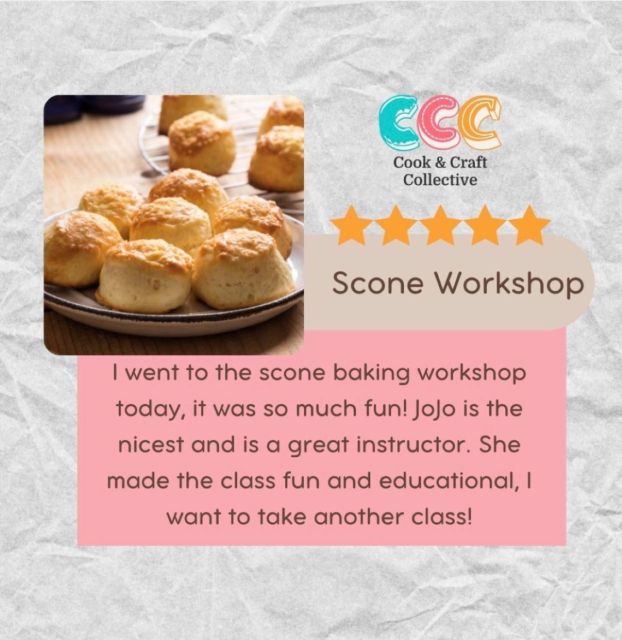
The group size can make a big difference. Some sessions have had only three or four participants, and one person even received a solo class after a booking problem. Small numbers allow the instructor to watch each person’s technique and answer questions as they come up.
The compact group also encourages conversation. Families have chatted with the instructors, couples have worked through the recipe together, and solo participants have been made to feel comfortable. You are likely to have more interaction than in a large cooking demonstration.
The experience is not completely uniform. Different sessions have featured JoJo, Lola, or Dora, and the exact flow may vary with the instructor and group. The common thread is a warm, patient teaching style, with JoJo receiving especially strong praise for her enthusiasm, humor, local suggestions, and ability to help people with different needs.
One parent specifically appreciated JoJo’s support for a daughter with special needs. That does not establish a formal accessibility program, so you should contact the provider about any particular requirements. It does show that the teaching can be attentive and flexible in practice.
Is $80 a fair price?
At $80 per person, the workshop costs more than buying a few scones and a pot of tea. That comparison misses the point, though. The fee covers 1.5 hours of instruction, ingredients, equipment, the finished tea service, and the batch you make yourself.
The value is strongest if you want a small-group activity rather than a simple meal. You are paying for guidance, social time, and the chance to learn a recipe you can repeat. It is also a practical option for families, couples, and friends who want something beyond museums and monuments.
The value is weaker if you already have a packed London schedule or only want to sample a scone. At this price, you should be interested in the process. You should also be comfortable spending part of your sightseeing day outside the central tourist area.
I would compare it with the cost of another organized food activity, not with the price of a bakery item. The take-home quantity helps, but the real return is the technique and the memory of sitting down to eat something you made.
Who will enjoy this most?
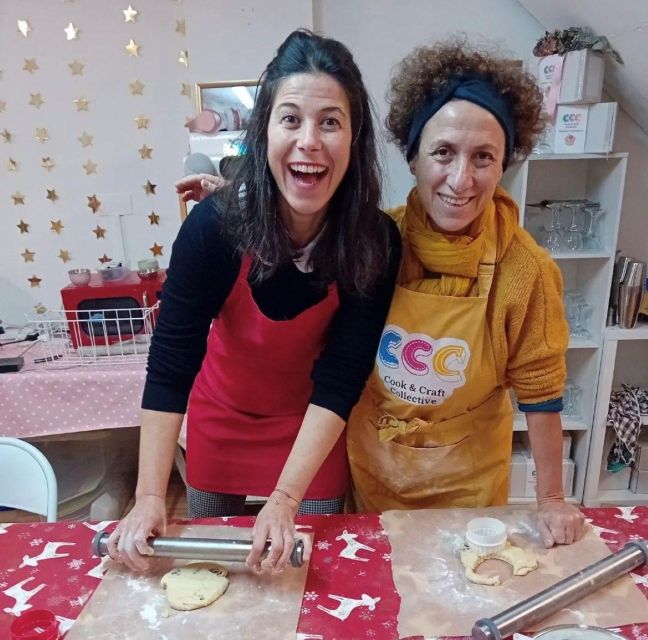
I would recommend the class to:
- First-time bakers: The instructions are clear, the equipment is supplied, and help is close by.
- Families with older children: A 10-year-old and teenagers have taken part successfully, though closed-toe shoes are required.
- Couples and friends: The class creates an easy shared activity, especially on a rainy day.
- Solo visitors: Small groups and welcoming instructors make this less awkward than many group activities.
- Experienced home bakers: You may still learn a few useful techniques, as Anita did.
- Food-focused visitors: The class adds context to a familiar British dish and includes the traditional cream and jam ritual.
I would be less keen on it for anyone seeking a high-end pastry course, a long culinary lesson, or a central London attraction. The setting is cosy and informal, not grand or polished. That is a benefit for some people and a limitation for others.
Practical booking advice for your London schedule
The class lasts 1.5 hours, but allow additional time for transport, reception, and getting back into central London. It is best treated as a half-day plan once travel is included, especially if you want to linger over tea or explore the area afterward.
Book early in your trip if you want to use the scones during your stay or take advantage of JoJo’s suggestions for nearby places. Book later if your itinerary is already full and you mainly want a relaxed break from sightseeing.
Reserve now and pay later is available, which helps if your London plans are still shifting. You can cancel for a full refund up to 24 hours in advance. Those terms are useful for a city trip, where weather and transport can change your plans.
Remember that hotel pickup and drop-off are not included. Alcohol is also separate, though you may bring your own bottle for £2 corkage. The class is in English, so you should be comfortable following spoken instructions in that language.
Should you book the scone workshop?
I would book this if you want an intimate, good-natured food activity with a clear result. The strongest reasons are the patient instructors, the chance to make every stage yourself, the tea-and-cream finish, and the generous batch to take away.
The main question is not whether you like scones. It is whether you want to spend $80 learning to make them. If the answer is yes, this offers more than a pastry purchase and less fuss than a full cooking course.
Check the cheese-scone option before committing, and ask how you will receive the recipe. Then arrive in comfortable clothes, wear closed-toe shoes, and leave room in your day for the journey to Balham. For families, couples, solo visitors, and anyone who wants a tasty break from London’s usual sights, this is an easy activity to recommend.
FAQ
How long does the traditional scone workshop last?
The workshop lasts 1.5 hours. Check the available starting times for your chosen date.
How much does the workshop cost?
The price is $80 per person.
Which types of scones can I make?
You can choose classic, cheese, or sultana scones. Since one participant found that the cheese option was not available in a particular session, confirm the choices when booking or arriving.
Are ingredients and equipment included?
Ingredients are included, and the beginner-friendly class provides the equipment needed for the workshop.
Do I get to eat the scones during the class?
Yes. At the end, you enjoy the freshly baked scones with jam, clotted cream, and tea.
Can I take scones home?
Yes. You leave with a large batch of the scones you make.
Can I bring my own wine?
Yes. Alcohol is not included, but you may bring your own bottle. Corkage is £2 per bottle.
What should I wear or bring?
Wear comfortable clothes and closed-toe shoes. Hotel pickup and drop-off are not included.
Recently added around London
- PRIVATE HIRE 45 min Speedboat Tour – Embankment/Westminster Pier★ 5.0 · 55 reviews
- Private Tour of London’s Historic Pubs★ 5.0 · 55 reviews
- From London: Glastonbury and Cheddar Gorge Guided Day Trip★ 4.8 · 55 reviews
- London: Kew to Westminster River Thames Cruise★ 4.2 · 55 reviews
- Gatwick Airport Taxi – Private Transfer to/from London★ 5.0 · 55 reviews
- London by Night – Tootbus Sightseeing Tour★ 3.5 · 55 reviews
- London: Tower of London After Hours Tour and Key Ceremony★ 4.8 · 56 reviews
- From London: Cotswolds Guided Trip Including Bourton-on-the-Water★ 4.5 · 56 reviews
Workshops, compared.
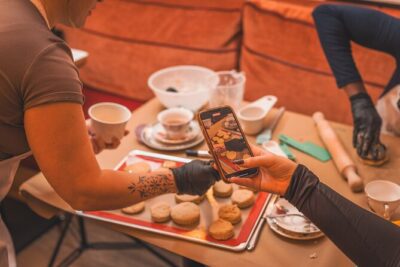
Traditional English Scone Making and Tea Workshop
Read our review →
Chocolate Bar Making Workshop at York Cocoa Works
Read our review →

East End Street Art Tour and Spray Painting Workshop
Read our review →London Traditional English Scone Making and Tea Workshop
Read our review →


Browse the lists this tour appears in