

Reviewed · RIVER THAMES CRUISES
Thames Beachcombing
The river gives up old secrets. This Thames Beachcombing experience turns London’s muddy shoreline into a hands-on history lesson, where you search the foreshore at low tide for pottery, clay pipes, tiles, and other objects from the city’s past. I like the active format and the chance to have finds identified by guide Robert. I also like that gloves, bags, and practical tips are supplied. The main drawback is that the location and start time change with the tide, so you cannot plan this like a fixed museum visit.
You spend about two hours at the river, with roughly 90 minutes searching. The pace is leisurely, and you are not rushed from one sight to another. Still, the experience depends on what the Thames has exposed that day. You might find something remarkable, or you might come home with modest fragments and a better sense of London’s working river.
In This Review
- Key points to know before you book
- Why mudlarking feels different from ordinary London sightseeing
- The changing Thames foreshore meeting point
- What happens during the two-hour outing
- What you might find in the mud
- Robert’s role in turning fragments into stories
- Families, children, and the practical side of getting muddy
- Is $41.41 a fair price?
- What to pack and how to plan your day
- Who will enjoy this most?
- Cancellation, weather, and final practical notes
- Should you book Thames Beachcombing?
- FAQ
- Where does Thames Beachcombing take place?
- How long does the experience last?
- What is mudlarking?
- What might I find?
- Is a guide included?
- Are gloves and bags provided?
- What should I wear?
- Can children join the activity?
- What happens if the weather is poor?
Key points to know before you book
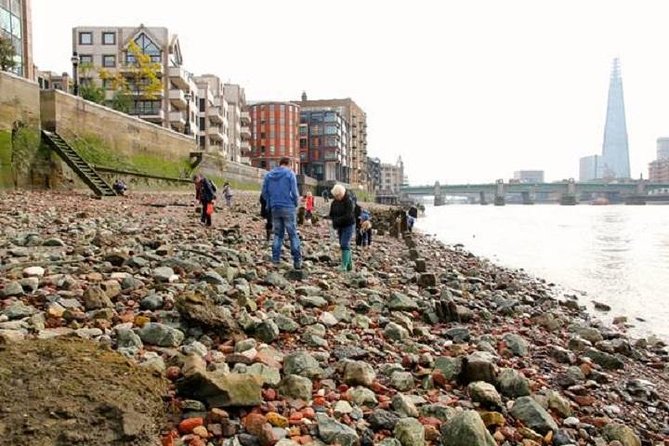
- Search the Thames at low tide: The activity takes place on the foreshore, where mud, stones, and centuries of discarded objects appear as the water falls.
- Look for small pieces of London’s past: Possible finds include clay pipes, pottery, roof tiles, ceramics, and other fragments.
- Guide Robert adds the context: He helps identify objects and explains what they may reveal about earlier life along the river.
- Bring serious footwear: Wellington boots or hiking boots are required because the shore can be muddy and stony.
- Expect a changing meeting point: The guide provides the exact location and time because tide conditions vary during the year.
- Good for families and curious minds: Children under 16 can join with an adult, and young children have enjoyed the searching, though supplied gloves may be too large for a five-year-old.
Why mudlarking feels different from ordinary London sightseeing
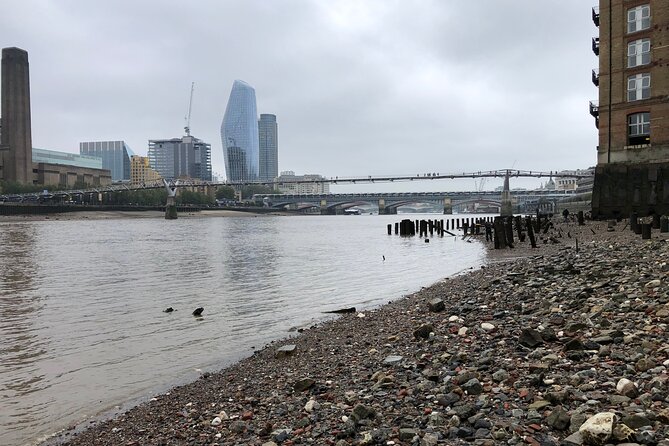
London is full of grand places to see from a pavement: Westminster Abbey, the Tower, St. Paul’s Cathedral. Thames Beachcombing gives you a different kind of connection with the city. You are not simply looking at objects behind glass. You are standing where they were carried, lost, broken, and eventually exposed by the river.
The pleasure comes from the hunt. A small piece of pottery may look like rubble until someone explains its age and purpose. A clay pipe fragment can turn an ordinary patch of mud into evidence of past daily life. Roof tiles and ceramics may link your find to old buildings and fires that changed London.
I like this because the activity rewards patience rather than speed. You walk, bend, inspect, and ask questions. It has a calm, almost meditative rhythm, but there is still a little thrill each time something catches your eye.
You should keep your expectations sensible. This is not a treasure-hunting contest, and the exact site changes. The river does not promise a dramatic discovery for every person in the group. The value is in the search, the setting, and the explanation of what you find.
More Thames Cruises:
- London: Westminster to Greenwich River Thames Cruise
★ 4.5 · 22,836 reviews - London Big Bus Hop-On Hop-Off Tour with Optional River Cruise
★ 3.5 · 10,803 reviews - London: Westminster to Tower Bridge River Thames Cruise
★ 4.5 · 6,127 reviews
The changing Thames foreshore meeting point
There is no single permanent riverside location for this outing. The group visits different parts of the Thames foreshore during the year, and the guide contacts you with the meeting place and start time.
That flexibility is necessary. Mudlarking depends on low tide, and the foreshore cannot be treated like a normal city attraction with a fixed opening hour. It also means you need to keep an eye on your messages before the tour and leave room in your London schedule.
The meeting point is in London and the activity ends back there. The locations are near public transport, which helps, but the information provided does not name one fixed station or river access point. Do not assume that a meeting point below one bridge will be used every time.
This changing route can be a benefit. Different stretches of the river expose different material, and the experience may feel less predictable than a standard walking tour. The tradeoff is that you cannot choose a particular section or count on a famous central viewpoint.
What happens during the two-hour outing
The total experience lasts about two hours. After meeting your guide, you receive gloves and a plastic bag, followed by advice on what to look for along the shore.
The searching portion lasts around 90 minutes. That gives you enough time to settle into the activity instead of spending the whole outing listening to an introduction. You can inspect the ground at your own pace while the guide helps when you spot something uncertain.
The foreshore is stony and can be muddy. You should expect to walk carefully and spend time crouching or bending down. A moderate level of physical fitness is advised, so this is not the right choice if uneven ground or muddy footing would be difficult for you.
At the end, the guide helps sort through the objects you have collected. This final identification session matters. Without it, many pieces would remain attractive but meaningless bits of debris. With some context, a tile, pipe, or pottery fragment becomes part of a larger story about the Thames and London.
The group size is intended to be small, allowing personal help from the guide. The tour information gives a maximum of 15 people in one place and up to 20 in the additional details. Since those figures differ, I would plan for a small group but not assume an exact head count.
What you might find in the mud
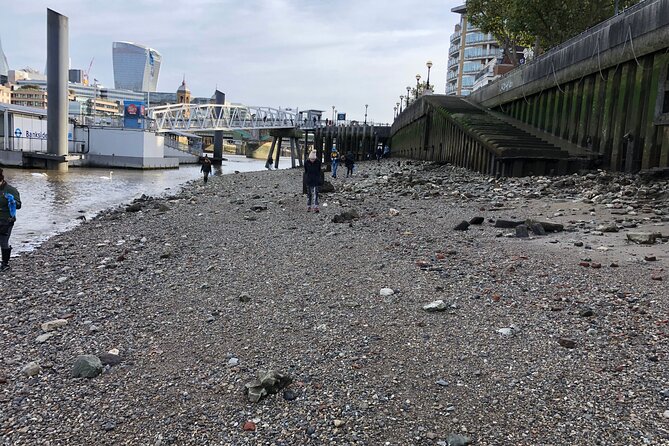
The possible finds are modest in size but often big in interest. You could spot clay pipes, pottery fragments, tiles, roof tiles, ceramics, and other objects that are visible without digging.
That last point is important. The activity is about searching the exposed foreshore with your eyes, not excavating the riverbank. You should look carefully at what lies on the surface and follow the guide’s instructions about handling objects.
The most memorable finds reported from this experience include tiles believed to predate the Great Fire of London, pottery from earlier periods, and a handle bearing the imprint of the maker’s fingers. Those details show why identification is such a central part of the outing. The object itself may be tiny, but the human mark can make it feel immediate.
Clay pipes are another appealing possibility, especially for children. A nine-year-old enjoyed spotting old pipe pieces, while a family with children aged five and eight found that the search held their attention. The guide also showed pictures of possible objects before the activity, which helped the children know what to seek.
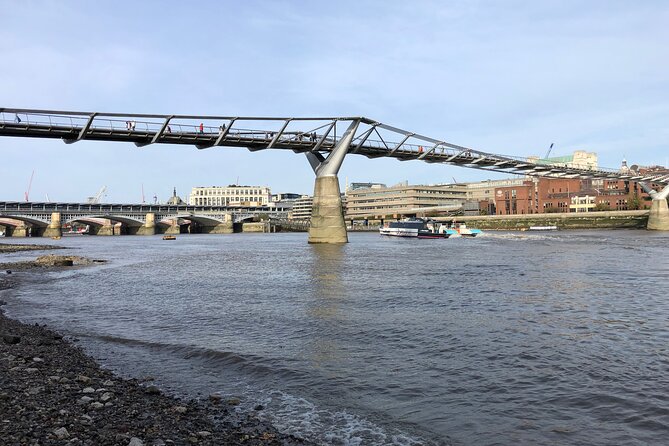
Still, you may find less than expected. One stretch near Cannon Street produced a less varied selection for one participant than another mudlarking outing near the Millennium Bridge. That is a useful warning: the location and tide can affect the quality and quantity of finds.
A few more trips worth a look before you book
- London: The London Eye Entry Ticket
★ 4.6 · 35,875 reviews - From London: Harry Potter Warner Bros Studio Tour
★ 4.7 · 26,588 reviews - Magical London: Harry Potter Guided Walking Tour
★ 4.7 · 22,044 reviews - London: Madame Tussauds London
★ 4.6 · 20,915 reviews
Robert’s role in turning fragments into stories
The guide can make or break an experience like this. Here, Robert receives especially strong praise for being helpful, approachable, and well informed about the objects people find.
His role is practical, not just theatrical. He can look at an item as you pick it up and offer an initial idea of what it is. At the end, he helps separate the more interesting pieces from ordinary material and explains their likely age or use.
That personal attention is one reason the small group format has value. You do not need to wait for a formal lecture to ask about a piece. You can bring an object to him as questions come up.
The explanations also extend beyond your own bag. Hearing about other people’s finds can help you notice patterns in the material along the shore. A piece that seemed unimportant may make more sense after you see a similar object or hear how another fragment was used.
The guide is not always described in glowing terms. One outing at Putney Bridge was considered fun, but the guide was viewed as less inspired. That tells me the activity itself has enough appeal to carry a quieter guide, but the quality of the interpretation may vary.
Families, children, and the practical side of getting muddy
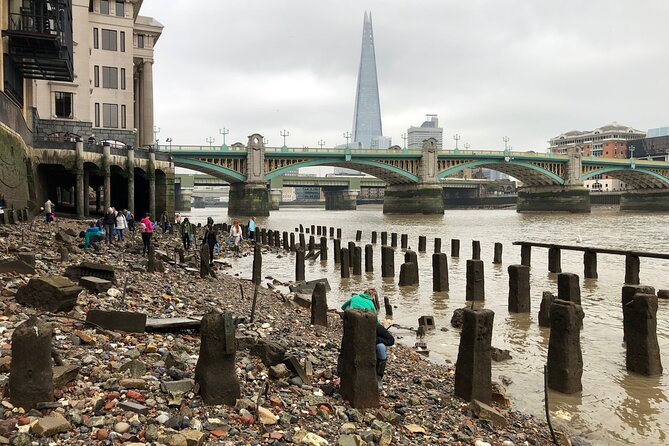
This can work very well for families. Children have the simple pleasure of looking for treasure, while adults get the historical context. A five-year-old reportedly stayed engaged for the full search, and a nine-year-old especially enjoyed finding clay pipe fragments.
There is one useful family tip: the supplied gloves may be too large for very young children. If your child has small hands, bring a better-fitting pair. That is a small detail, but it can prevent constant glove adjustments while everyone else is searching.
Anyone under 16 must be accompanied by an adult. The activity calls for moderate physical fitness, and the terrain can be muddy and uneven. You should also expect your boots and clothing to get dirty. This is not a polished riverside stroll in everyday shoes.
Wellington boots or hiking boots are the stated footwear. I would take that seriously. Trainers may be comfortable on the way to the river, but they are a poor choice for a wet, stony foreshore.
The gloves and plastic bags are included, and no extra tour equipment is listed as necessary. You still need to dress for the weather, since the activity takes place outdoors and depends on good conditions.
Is $41.41 a fair price?
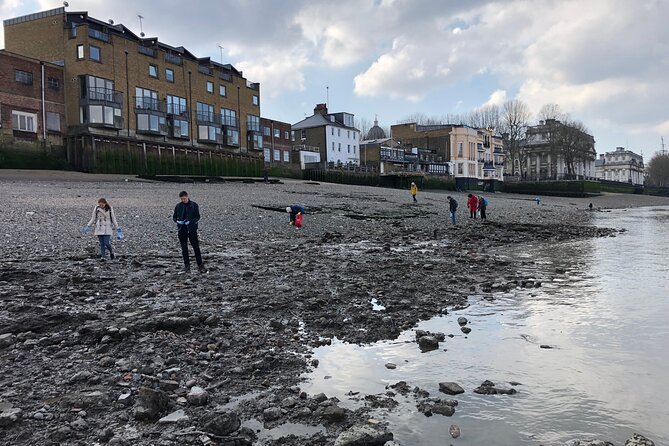
At $41.41 per person, this costs more than wandering along a riverside path on your own, but it offers something a solo walk cannot easily provide: access to a guide who can explain what you are seeing.
The included equipment is basic. Gloves and bags are useful, but they do not account for much of the fee. You are paying mainly for the guide’s time, local experience, help with identification, and the structure of a low-tide visit.
I think the price is reasonable if you enjoy hands-on activities and care about the story behind small objects. It is less convincing if you want guaranteed historic pieces, a major London landmark, or a polished sightseeing presentation.
The roughly two-hour duration also fits well into a London itinerary. You get a focused morning or afternoon activity without giving up an entire day. Since the meeting time changes with the tide, it may be harder to fit around fixed theatre tickets or timed museum entries.
The 93 percent recommendation rate and 4.7 rating from 100 ratings point to a strong overall experience, but the lower-scoring outings are worth remembering. The enjoyment depends on the chosen foreshore, weather, group energy, and how much the guide adds to the finds.
What to pack and how to plan your day
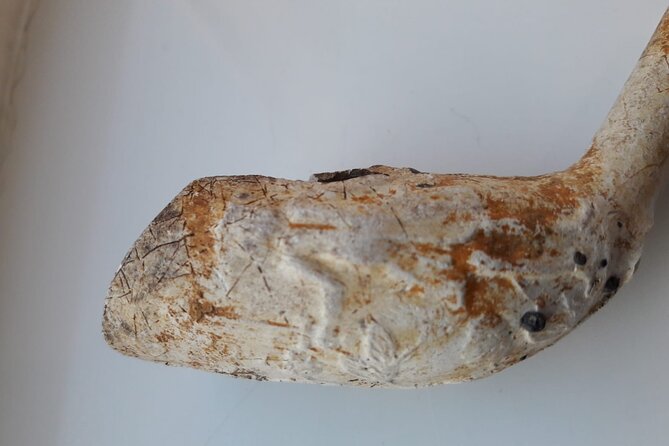
Keep your clothing practical. Wear boots that can handle mud and stones, and choose clothes you will not mind getting dirty. The activity is outdoors, so weather can change the comfort level even when the search itself remains enjoyable.
Allow time to reach the meeting point after receiving the guide’s message. Since the location changes, you should not build your plan around an assumed bridge or station.
I would also avoid placing an important appointment immediately afterward. The official duration is about two hours, but muddy footwear, changing conditions, and the flexible tide schedule make a little breathing room sensible.
Bring curiosity more than equipment. The guide supplies gloves and bags, and the key tools are your eyes and patience. You do not need specialist knowledge. That is the point of having Robert help identify what you find.
One question worth asking before you go is what you may keep. The provided information says you can search for objects and take finds in bags, but it does not spell out a detailed collecting policy. Ask the guide about current rules and appropriate handling at the start.
Who will enjoy this most?
I would choose this for someone who likes local history, unusual London activities, and the satisfaction of finding something without knowing what it is beforehand. It is especially appealing if museums sometimes feel too passive for you.
Families can have a good time, provided children are comfortable with mud, uneven ground, and a slower search. The activity also suits couples, solo visitors, and small groups who enjoy sharing discoveries.
It is not ideal for anyone seeking a guaranteed haul of valuable objects. It may also disappoint if you expect the riverbank to look the same in every location or if you dislike crouching, walking on stones, and getting dirty.
The strongest reason to book is the combination of place and interpretation. The Thames is not just scenery here. It is the source of the objects, the reason the tide matters, and the link between your small find and London’s past.
Cancellation, weather, and final practical notes
You can cancel at least 24 hours before the start time for a full refund. Changes or cancellations made within 24 hours are not accepted for a refund.
The experience requires good weather. If poor weather causes cancellation, you are offered another date or a full refund. Confirmation is sent within 48 hours of booking, subject to availability.
Because children under 16 need an adult and the activity requires moderate fitness, think about your group before paying. The mobile ticket is convenient, but the exact meeting details arrive separately from the basic booking information.
Should you book Thames Beachcombing?
Book it if you want to handle a small piece of London’s past, learn how to read the Thames foreshore, and enjoy a relaxed search rather than a standard guided walk. Robert’s help with clay pipes, pottery, tiles, and other fragments adds real value to the $41.41 price.
I would skip it if your schedule cannot handle a tide-dependent meeting time, if you need guaranteed major discoveries, or if muddy, uneven ground sounds unpleasant. For curious adults and families who enjoy a little mess, this is one of London’s more distinctive two-hour activities. Bring sturdy boots, keep your expectations realistic, and let the river decide what turns up.
FAQ
Where does Thames Beachcombing take place?
It takes place at different sections of the River Thames foreshore in London during the year. The guide provides the exact meeting location and time because they change with the tide and season.
How long does the experience last?
The full activity lasts about two hours. Around 90 minutes is spent searching the foreshore for objects.
What is mudlarking?
Mudlarking is the activity of searching the Thames foreshore at low tide for objects that have washed up or become exposed. You look for items on the surface rather than digging.
What might I find?
Possible finds include clay pipes, pottery fragments, tiles, roof tiles, ceramics, and other historical objects. The exact finds depend on the location and conditions.
Is a guide included?
Yes. A local guide accompanies the group and helps identify objects while explaining their historical context.
Are gloves and bags provided?
Yes. Gloves and plastic bags are included.
What should I wear?
You should wear Wellington boots or hiking boots because the foreshore can be muddy and stony. Dress for outdoor conditions and clothing that can get dirty.
Can children join the activity?
Yes. Children under 16 must be accompanied by an adult. The experience states that participants should have a moderate level of physical fitness.
What happens if the weather is poor?
The experience requires good weather. If it is canceled because of poor weather, you are offered another date or a full refund.
Recently added around London
- PRIVATE HIRE 45 min Speedboat Tour – Embankment/Westminster Pier★ 5.0 · 55 reviews
- Private Tour of London’s Historic Pubs★ 5.0 · 55 reviews
- From London: Glastonbury and Cheddar Gorge Guided Day Trip★ 4.8 · 55 reviews
- Gatwick Airport Taxi – Private Transfer to/from London★ 5.0 · 55 reviews
- London: Kew to Westminster River Thames Cruise★ 4.2 · 55 reviews
- London by Night – Tootbus Sightseeing Tour★ 3.5 · 55 reviews
- London: Tower of London After Hours Tour and Key Ceremony★ 4.8 · 56 reviews
- Private Round Trip Transfer between London Airports and Hotel★ 3.5 · 56 reviews
River Thames Cruises, compared.

Westminster to Greenwich River Thames Cruise
Read our review →
London Big Bus Hop-On Hop-Off Tour with Optional River Cruise
Read our review →
Westminster to Tower Bridge River Thames Cruise
Read our review →
London Eye, River Cruise, & Hop-on Hop-off Bus Tour
Read our review →
Tootbus Hop-on Hop-off with optional River Cruise
Read our review →
Thames River Cruise with Optional London Eye Ticket
Read our review →
Big Bus Hop-on, Hop-off with Optional River Cruise
Read our review →Browse the lists this tour appears in