
Reviewed · HISTORICAL TOURS
Chatham: The Historic Dockyard Chatham Annual Ticket
Ships, rope, submarines, and centuries of naval work await. Chatham Historic Dockyard gives you a hands-on look at the place where Britain built ships for command of the oceans. I especially like the chance to walk through a Cold War submarine and take the bridge of a Second World War destroyer. The quarter-mile ropery is another highlight, with its working demonstrations and links to rope making since 1618.
The main drawback is simple: this is a large site, and a short visit will not do it justice. Several people found four hours too little, while one visit described the dockyard as largely unchanged for a decade and in need of new attractions. The annual ticket helps solve that problem, but only if you can return within 365 days.
In This Review
- Key things to know before you go
- Why Chatham Dockyard is more than a ship museum
- Start with the three ships
- The ropery explains the dockyard’s working life
- Command of the Oceans puts history under your feet
- The RNLI lifeboat collection brings a human scale
- Restored dockyard buildings make the setting convincing
- How long should you allow?
- Guides and staff add useful detail
- Food, facilities, and family appeal
- Price and annual-ticket value
- Who will enjoy Chatham most?
- Booking flexibility and practical details
- Should you book Chatham Historic Dockyard?
- FAQ
- How long is the Chatham Historic Dockyard ticket valid?
- What is included with admission?
- Which ships can I visit?
- Is parking included?
- Can I cancel the booking?
- Can I reserve now and pay later?
- Is the dockyard wheelchair accessible?
Key things to know before you go
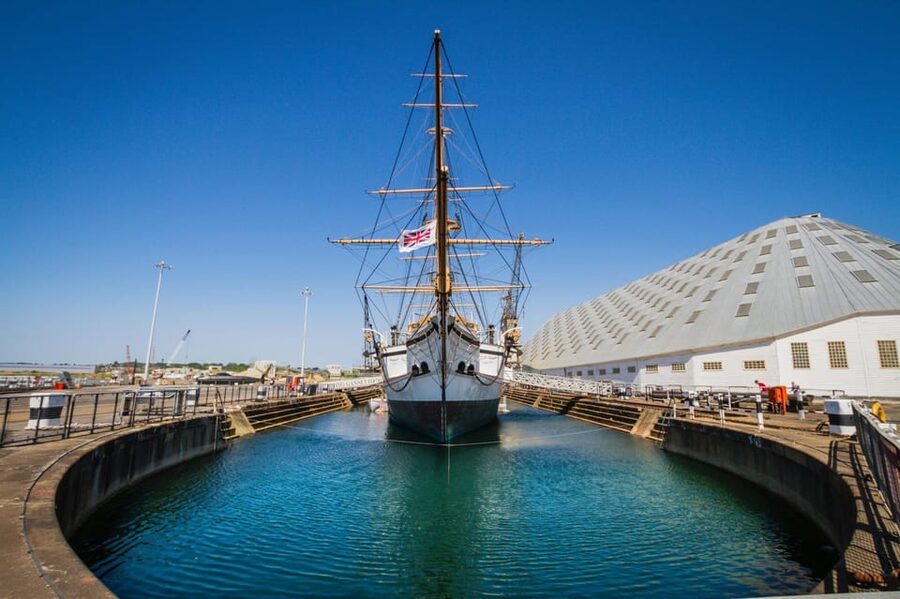
- Three historic warships: Explore a Cold War submarine, a Second World War destroyer, and a Victorian sloop.
- The ropery is a must-see: Watch rope making in the quarter-mile building that has served ships since 1618.
- The annual ticket offers strong value: Your first admission remains valid for repeat visits for 365 days after activation.
- A major lifeboat collection: The dockyard holds the UK’s largest collection of RNLI historic lifeboats.
- Good for mixed-age groups: Ships, interactive displays, school holiday activities, and a children’s play area give families plenty to do.
- Allow more than four hours: The site includes ships, museums, exhibitions, historic buildings, and outdoor areas.
Why Chatham Dockyard is more than a ship museum
Chatham is not a single gallery with a few vessels parked outside. It is a large former dockyard where shipbuilding, rope making, storage, repair, and naval life all came together.
That matters because the setting does much of the teaching. You are not simply reading about sailors and shipwrights. You are walking through the workplace where skilled crews built and serviced vessels for centuries. The old buildings and working areas give the visit a sense of place that a modern museum often cannot match.
The dockyard takes you back to the Age of Sail, when wooden warships helped Britain control far-flung sea routes. It also moves forward through the Victorian era, the Second World War, and the Cold War. You can go from a traditional shipbuilding story to the cramped interior of a submarine in the same afternoon.
I like this broad time span because it keeps the visit from becoming too narrow. You do not need to be a naval expert to enjoy it. The displays explain how technology, work, and daily life changed over time.
More History Tours:
- London Small Group Tour of Historical Pubs
★ 5.0 · 10,422 reviews - A History of Terror – Belfast City Centre Walking Tour
★ 5.0 · 2,883 reviews - Old Town Walking Tour History and Tales in Edinburgh
★ 5.0 · 2,168 reviews
Start with the three ships
The three main vessels give the dockyard its strongest sense of adventure. Each one presents a different period and a different kind of naval life.
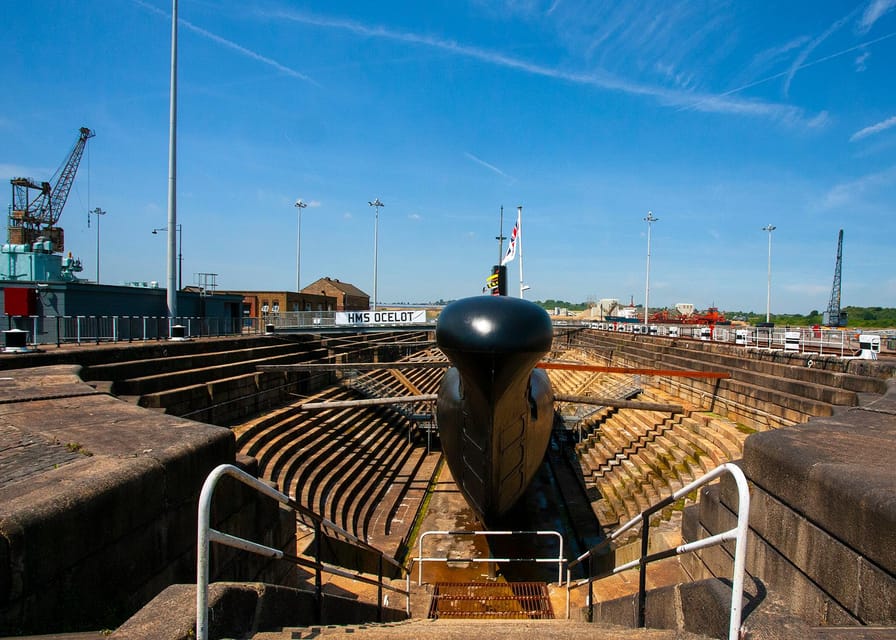
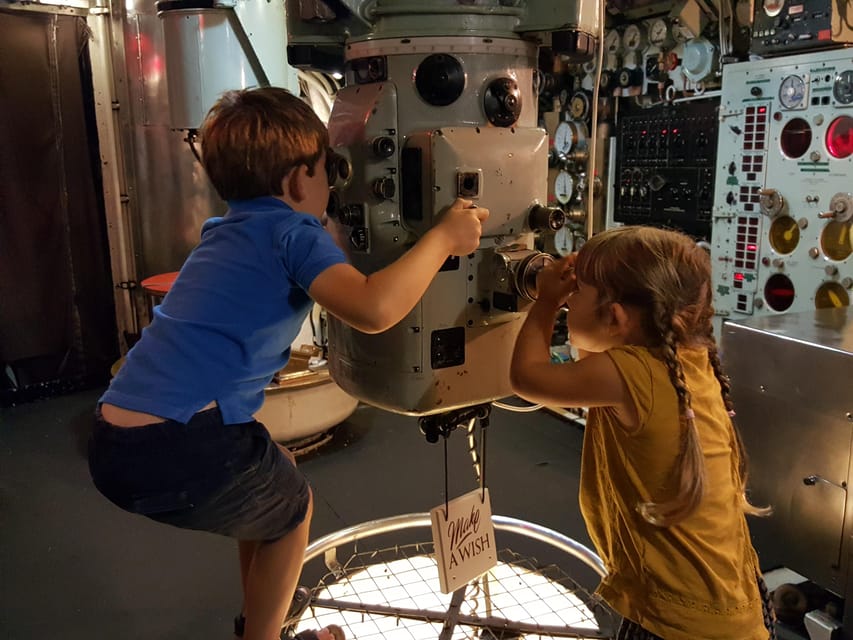
On the Cold War submarine, you can peer through the periscope and see how observation worked from below the surface. The submarine is especially effective because the tight quarters make the practical problems clear. Every corridor and compartment feels designed around limited space, machinery, and the need for a crew to function together.
If you have mobility concerns, remember that historic ships can involve narrow routes and uneven access. The wider dockyard is wheelchair accessible, but the supplied information does not promise that every section of every vessel is accessible.
The Second World War destroyer gives you a more open experience. You can take charge on the bridge and imagine the work of directing a ship in wartime conditions. The bridge is a natural focal point, but do not rush through the rest of the vessel. The value comes from seeing how the command area connects with the working parts of the ship.
The Victorian sloop offers a different mood. Ringing the ship’s bell on deck is a small action, but it gives children and adults a physical connection to the vessel. It is the sort of detail that helps a museum visit stick in your memory.
The ships are not just photo stops. They show how sailors lived and worked, how much room they had, and how quickly naval technology changed. If ships are your main reason for coming, plan enough time to explore all three instead of treating them as quick add-ons.
The ropery explains the dockyard’s working life

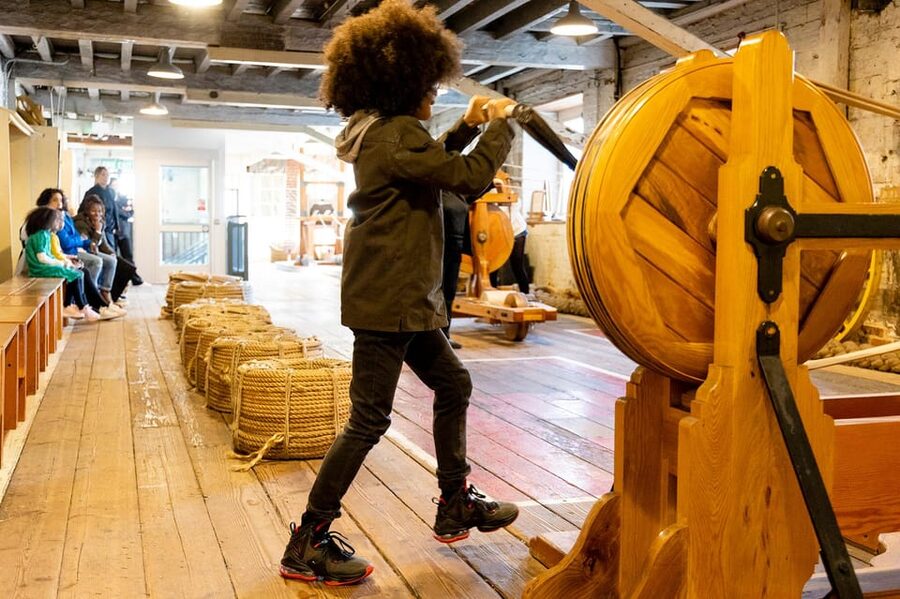
The quarter-mile ropery may be the most distinctive part of the visit. Rope has been made here for Britain’s ships since 1618, and the long building shows why rope making needed so much room.
The process depends on length. Fibers must be twisted, joined, and tightened over a considerable distance. A demonstration makes this easier to understand than a label ever could. You can see how a basic material became essential equipment for sailing ships, rigging, and dockyard work.
I would make the ropery a priority, even if your main interest is military history. Several visitors singled out the rope-making demonstration and museum as the best part of the day. That praise makes sense because it reveals an ordinary but essential trade that is easy to overlook when the larger ships receive most of the attention.
The ropery also gives you a closer look at labor. Shipbuilding depended on thousands of specialized jobs, not only admirals and sailors. The people making rope, maintaining buildings, handling materials, and preparing vessels were central to the dockyard’s success.
Check the day’s timing when you arrive so you do not miss a demonstration. The supplied information confirms rope-making activities, but it does not provide a fixed schedule.
Command of the Oceans puts history under your feet
The Command of the Oceans exhibition adds an interactive layer to the visit. One of its unusual features is the chance to discover the hidden secrets of an ancient ship beneath the floor.
That design is useful because shipbuilding can be hard to picture from the outside. A vessel’s hidden structure, storage areas, and working systems often explain more than its polished exterior. Looking below floor level helps you understand the ship as a piece of engineering, not just a wooden shell.
This exhibition should appeal to families because it gives younger visitors something active to do. It also helps adults connect the dockyard’s physical buildings with the wider story of naval power.
I would place it between the ship visits rather than leaving it until the end. It gives you context for what you have already seen and may help you notice more when you board the historic vessels.
A few more trips worth a look before you book
- London: The London Eye Entry Ticket
★ 4.6 · 35,875 reviews - London: Tower Bridge Entry Ticket
★ 4.7 · 15,560 reviews - London: Westminster Abbey Entrance Ticket
★ 4.6 · 11,254 reviews - London: St Paul’s Cathedral Entry Ticket
★ 4.7 · 9,813 reviews
The RNLI lifeboat collection brings a human scale
The dockyard holds the UK’s biggest collection of RNLI historic lifeboats. These boats are smaller than the warships, but that is part of their strength.
A lifeboat tells a different story about the sea. It is not mainly about national power or overseas command. It is about rescue work, difficult weather, local crews, and the risks faced by people trying to help others.
You can hear the crashing waves as you move through the lifeboat collection, which adds atmosphere without needing a large theatrical production. The boats also make the visit accessible to anyone who finds naval warfare less interesting. Their practical purpose and human stories provide a strong change of pace.
The collection works especially well for families. Children can compare the lifeboats with the larger vessels and see that boats are built for very different jobs. Adults may appreciate the way the display broadens the story beyond battles and technology.
Restored dockyard buildings make the setting convincing
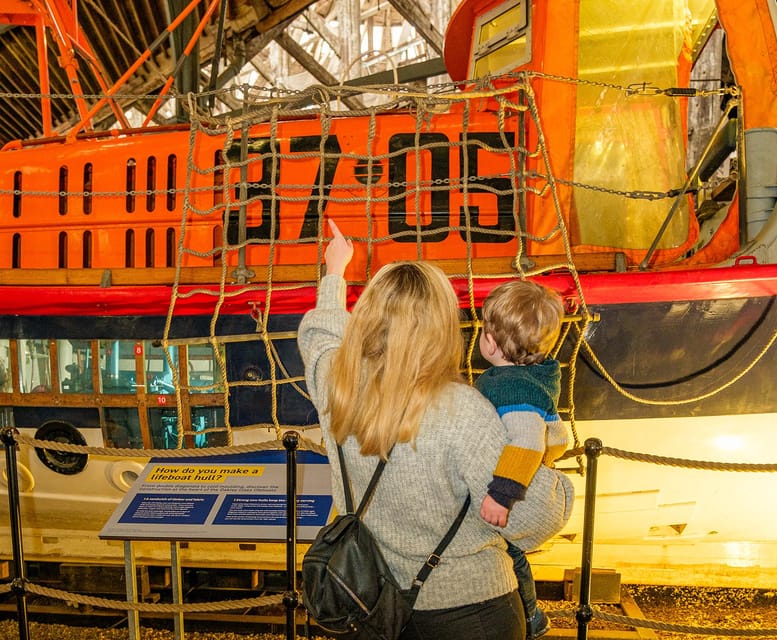
The historic buildings are not just a backdrop. Their restoration helps you understand how the dockyard functioned as a secure, busy workplace.
For generations, Chatham was secretive and closely controlled. Today, you can walk through areas that once supported ship construction and maintenance. The restored buildings show the scale of the operation and help connect the exhibitions with real working spaces.
I like this part of the experience because it rewards slow walking. Look up at the buildings, notice their length and layout, and consider how many trades had to work together to prepare a ship. You do not need to know every technical detail to appreciate the organization involved.
The site can feel extensive, so it helps to accept that you may not see every corner in one visit. The annual ticket changes the pace. You can focus on the ships during one visit, return for the museums later, and bring someone else back for the exhibitions or school holiday activities.
How long should you allow?
Four hours can give you a worthwhile introduction, but it is not enough for a relaxed look at everything. A full day is the safer plan if you want to board the ships, visit the submarine, see the lifeboats, explore the exhibitions, and watch rope making.
The site contains enough material for repeat visits. One annual ticket holder described returning as many times as desired during the year, and that is the key value here. You are not forced to race from building to building to justify the admission cost.
For a first visit, I would use this order:
- Check the day’s rope-making demonstration time.
- Visit the three ships while you have plenty of energy.
- See Command of the Oceans and the other permanent exhibitions.
- Spend time with the RNLI lifeboats.
- Return to the ropery and any buildings you passed earlier.
- Leave temporary exhibitions or school holiday activities for a later visit if the day is full.
This is a suggested rhythm, not a fixed itinerary. The dockyard does not work like a short guided tour with one start and finish. You set the pace.
Guides and staff add useful detail
The staff are one of the strongest parts of the experience. The dockyard uses English-speaking hosts and guides, and the supplied information confirms English as the available language.
You can expect help and explanations as you move between the exhibits. One former submariner found that a civilian guide on Ocelot knew the vessel well and was happy to listen to personal stories about life aboard that class of submarine. That is a good sign for anyone with a family connection to the navy or military service.
The tone also seems important. Staff have been described as cheerful, informative, and willing to explain what you are seeing. On a cold day, that welcome matters. Historic sites can feel distant if the people working there only point you toward the next room. Here, the human contact appears to make the dockyard easier to understand.
The experience is not presented as a formal guided tour, so you should expect to explore independently with help available along the way. That gives you freedom, but it also means you need to manage your own time.
Food, facilities, and family appeal
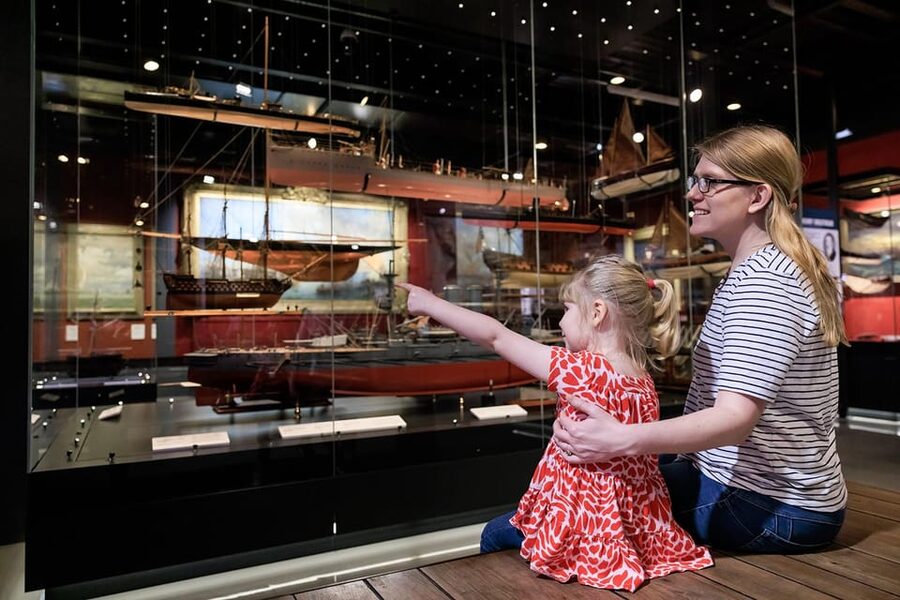
The dockyard has facilities suitable for a full day, and a children’s play area gives younger visitors a break while adults enjoy a hot drink. Food and drinks are available, although the supplied information does not provide a full list of outlets or menu prices.
One visit included positive comments about food, music, and a saxophone performance. Those details may relate to a particular day or event, so I would not treat live music as a standard feature. Still, they suggest the site can offer more than displays and ships on selected dates.
Families have plenty of variety here. Children can ring a ship’s bell, look through a submarine periscope, explore interactive displays, and see lifeboats at close range. Adults can spend more time with the dockyard buildings, exhibitions, and maritime technology.
Couples and groups of adults should not dismiss it as only a children’s attraction. Two adult couples found it a good way to spend the day, with enough history and exhibits to hold their interest.
Price and annual-ticket value
The price is $37 per person for admission valid for 365 days from first activation. Parking is not included, so add that cost if you plan to drive.
For a single short visit, the price may feel high if you only want to board the ships and leave. The annual validity changes the calculation. A second visit turns the ticket into much better value, and later visits can be shorter and more focused.
I would especially recommend the ticket to local residents, families, or anyone staying in South East England for several days. You can return during school holidays, bring friends back to see the ships, or use a second visit to finish the exhibitions without rushing.
The ticket includes temporary and permanent exhibitions, plus school holiday activities. That broad access makes it more useful than a ticket limited to the main vessels.
The high overall rating of 4.6 from 66 reviews reflects the site’s strong appeal, but the less enthusiastic comments are worth noting. One person felt it needed new attractions and had changed little in ten years. If you have visited before, do not expect a completely different dockyard on your next trip. The annual ticket is best for people who value depth and repeat access, not constant novelty.
Who will enjoy Chatham most?
I would choose this experience if you enjoy:
- Naval and industrial history
- Historic ships and military technology
- Hands-on museum displays
- Family days with several types of activity
- Traditional trades such as rope making
- Places where the buildings are part of the story
- Repeat visits rather than a rushed one-day stop
It is also a good choice for anyone with a connection to the Royal Navy, submarines, lifeboats, or dockyard work. The Ocelot submarine can be particularly meaningful if you have served aboard submarines or know someone who has.
You may want to think twice if you dislike large heritage sites or prefer a short, tightly organized tour. The site takes time, and some areas may feel familiar if you have been before. Weather can also affect the day, since moving between buildings and ships involves outdoor walking.
The dockyard is wheelchair accessible, but historic ships may still have their own physical limits. If full access to every vessel matters to you, confirm the details before booking.
Booking flexibility and practical details
You can cancel up to 24 hours before the visit for a full refund. You can also reserve now and pay later, which is useful if you want to keep plans flexible.
The ticket activates for 365 days from first use. Keep that date in mind, since the repeat-visit period begins with activation rather than necessarily with the day you make the reservation.
The host and guide language is English. Parking is separate from admission. These are small details, but they affect your budget and planning.
Should you book Chatham Historic Dockyard?
Yes, if you can give it most of a day or return within the year. The three historic vessels, the working ropery, and the RNLI lifeboat collection give the site real variety, while the annual validity makes the $37 price easier to justify.
I would not book it expecting a quick museum visit. Come ready to walk, read, climb where permitted, and give the old buildings time to make sense. If rope making interests you, place that demonstration near the top of your plan.
For a one-time visitor to South East England, Chatham offers a strong look at Britain’s maritime working life. For local families, its real strength is the chance to return and take the dockyard at a slower pace.
FAQ
How long is the Chatham Historic Dockyard ticket valid?
The ticket is valid for 365 days from first activation.
What is included with admission?
Admission includes access to the Historic Dockyard, all temporary and permanent exhibitions, and school holiday activities.
Which ships can I visit?
You can visit a Cold War submarine, a Second World War destroyer, and a Victorian sloop.
Is parking included?
No. Parking is not included in the ticket price.
Can I cancel the booking?
Yes. You can cancel up to 24 hours in advance for a full refund.
Can I reserve now and pay later?
Yes. The booking option allows you to reserve your place and pay nothing at the time of booking.
Is the dockyard wheelchair accessible?
The experience is wheelchair accessible. However, the supplied information does not confirm that every part of each historic ship has the same level of access.
Recently added around the UK
- PRIVATE HIRE 45 min Speedboat Tour – Embankment/Westminster Pier★ 5.0 · 55 reviews
- Cairngorms & Whisky Day Tour from Inverness Including Admission★ 5.0 · 55 reviews
- From Edinburgh: Islay and The Whisky Coast 4-Day Tour★ 4.9 · 55 reviews
- Fantastic Creatures of Edinburgh, and where to find them!★ 4.5 · 55 reviews
- E-bike excursion exploring the Purbecks★ 5.0 · 55 reviews
- ‘A Wee Pedal’s’ Family Friendly Cycle Tour to Edinburgh’s Coast★ 5.0 · 55 reviews
- Private Tour of London’s Historic Pubs★ 5.0 · 55 reviews
- From London: Glastonbury and Cheddar Gorge Guided Day Trip★ 4.8 · 55 reviews
Historical Tours, compared.
A History of Terror – Belfast City Centre Walking Tour
Read our review →
Old Town Walking Tour History and Tales in Edinburgh
Read our review →


Shadows of York: Ghost Walk and Horrible History.
Read our review →
Multi-Sensory Small-Group Historic Vaults Tour in Edinburgh
Read our review →
Browse the lists this tour appears in