
Reviewed · CRUISES & BOAT TOURS
Cruise Wells Next The Sea on Historic RNLI and Dunkirk Veteran Lifeboat
History floats here. This 90-minute cruise aboard a restored RNLI and Dunkirk Veteran lifeboat offers more than a short boat ride through Wells-next-the-Sea. You hear about the vessel’s working life, the rescue service, Operation Dynamo, and the town’s strong links to the sea. I like the small group size, capped at 12, and I like the warm, personal way the captain and crew explain both the boat and the coast.
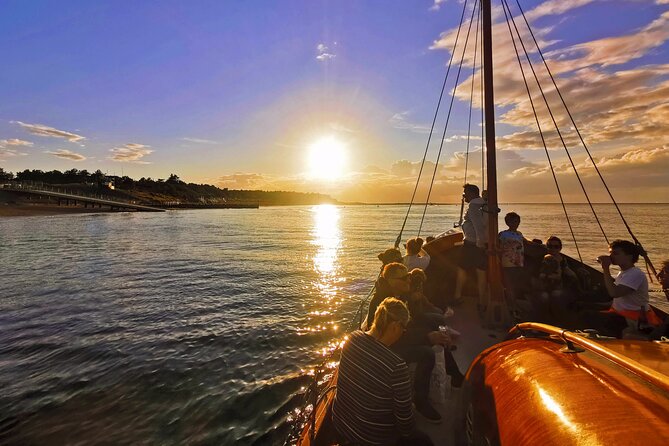
The best moment comes when the boat reaches Wells beach and drifts with the tide. You can take in the view with tea, coffee, hot chocolate, or a cold drink in hand. The main drawback is the weather. This is an open-water outing, so poor conditions can lead to cancellation, and a sunset trip can lose some daylight before the cruise ends.
In This Review
- Key Points to Know Before You Go
- Why This Wells Lifeboat Cruise Feels Different
- Starting at 2 E Quay in Wells-next-the-Sea
- Through Wells Harbour, Where Local Stories Begin
- Drifting Beside Wells Beach for 15 Minutes
- A Restored Boat, Not Just a Scenic Platform
- The Crew Makes the Difference
- Sunset, Hot Chocolate, and the Right Time of Day
- Is the $243 Price Good Value?
- Who Will Enjoy This Cruise Most?
- Should You Book the Wells Lifeboat Experience?
- FAQ
- Where does the cruise start?
- Where does the cruise finish?
- How long does the experience last?
- How many people can join the tour?
- Does the cruise visit Wells-next-the-Sea beach?
- Are drinks provided?
- What does the crew talk about?
- Are service animals allowed?
- What happens if the weather is poor?
Key Points to Know Before You Go
- A genuine working lifeboat story: The boat served with the RNLI and took part in the Dunkirk evacuation, giving the cruise real historical weight.
- A small group of no more than 12: You get a better chance to hear the crew, ask questions, and examine the renovated interior.
- Wells beach from the water: The boat pauses for about 15 minutes near the beach, drifting with the tide while you enjoy the view and a drink.
- Local history beyond the boat: The crew covers Wells Harbour, maritime traditions, lifeboat stories, wildlife, and future plans for the vessel.
- A relaxed drink on board: Hot chocolate has become a favorite part of the experience, especially on sunset departures.
- Simple meeting point: You meet at 2 E Quay, Wells-next-the-Sea, and return there at the end.
Why This Wells Lifeboat Cruise Feels Different
Wells-next-the-Sea has plenty of seaside appeal, but this cruise gives you a reason to look beyond the beach. You are not simply sitting on a boat while someone points out the shore. The vessel itself is the main attraction.
An RNLI lifeboat was built for difficult work, not sightseeing. Its connection to rescue service gives the trip a practical sense of purpose. You learn how lifeboats supported people in danger and how the service shaped the area. The Dunkirk connection adds another layer, linking this Norfolk boat to one of the most dramatic wartime evacuations in British history.
The crew also talks about the renovation work and the boat’s future plans. That matters because you see a vessel that is still being cared for, rather than a static museum object behind a barrier. You can appreciate the polished wood and the work involved in preserving an important piece of maritime equipment.
The atmosphere is intimate. With a maximum of 12 people, this is far removed from a large harbor cruise with a fixed script and a distant microphone. You can ask about the boat, Operation Dynamo, the RNLI, the harbor, or the scenery as the trip unfolds.
I would choose this experience if you enjoy local stories, working boats, and small-scale tours. If you only want a fast sightseeing ride with little explanation, the historical focus may feel like more than you need.
More History Tours:
- London Small Group Tour of Historical Pubs
★ 5.0 · 10,422 reviews - A History of Terror – Belfast City Centre Walking Tour
★ 5.0 · 2,883 reviews - Old Town Walking Tour History and Tales in Edinburgh
★ 5.0 · 2,168 reviews
Starting at 2 E Quay in Wells-next-the-Sea
The meeting point is 2 E Quay, Wells-next-the-Sea, NR23 1FA. The start and finish are the same, which makes the outing easy to fit into a day around Wells.
The tour is listed in Norwich, but the actual departure is in Wells-next-the-Sea. Check your route carefully before booking, especially if Norwich is your base. The tour information notes that the meeting point is near public transportation, though it does not provide a specific bus or train route.
You receive confirmation when you book, and the mobile ticket makes it simple to keep the details on your phone. I would arrive with enough time to find the quay and get settled before departure. The group is small, but the boat still needs to leave on schedule.
The crew handles the practical side of the cruise, so you do not need to arrange separate harbor transport or plan a route yourself. You board, listen, look out for wildlife and coastal views, and let the crew guide the experience.
Through Wells Harbour, Where Local Stories Begin
The first part of the cruise takes you through the historic harbor. This is where the outing builds its sense of place.
Wells has a strong maritime identity, and the crew connects the water in front of you with the town’s working past. You hear about the harbor, lifeboat stories, and the area’s relationship with the sea. The exact amount of time spent on each subject can vary, since the small-group format leaves room for questions.
I like this part because it gives the beach stop some context. You are not looking at a pretty shoreline in isolation. You are seeing the coast from the same general environment where lifeboats operated and where maritime work shaped local life.
The boat’s history remains central. Ask about its service record, the RNLI, its Dunkirk role, or the renovation. The crew’s enthusiasm is one of the strongest parts of the experience. Several parts of the cruise are built around conversation, so take advantage of the chance to ask instead of simply waiting for a standard speech.
Wildlife may appear along the route, and the tour specifically includes time to look for it. Since wildlife is never guaranteed, treat it as a bonus rather than the main reason to book. The harbor views and local stories remain the dependable attractions.
Drifting Beside Wells Beach for 15 Minutes
The boat stops at Wells-next-the-Sea beach and drifts with the tide for about 15 minutes. This pause changes the pace of the trip. After the harbor stories and boat details, you get time to sit back and take in one of the United Kingdom’s most attractive beaches from an unusual angle.
From the water, the beach becomes a broad coastal view rather than a place you are walking through. You can enjoy the scene without having to find a viewpoint or deal with a busy shore path. The tide provides a gentle movement while the boat remains at rest for the scheduled pause.
A cup of tea, coffee, or a cold drink is included as part of the experience. Hot chocolate receives particular praise and can be a memorable touch on a cool evening. On a hot day, the chance to be out on the water with a cold drink makes the cruise feel especially pleasant.
The beach stop is also a good reason to think about timing. Sunset departures can be beautiful, with the fading light adding a special mood. But the sun can disappear below the horizon before the outing is finished, so you may spend part of the final stretch in lower light. That is not necessarily a problem, but you should choose the departure time with your expectations in mind.
More Boat Trips:
- London: Westminster to Greenwich River Thames Cruise
★ 4.5 · 22,836 reviews - London Big Bus Hop-On Hop-Off Tour with Optional River Cruise
★ 3.5 · 10,803 reviews - London: Westminster to Tower Bridge River Thames Cruise
★ 4.5 · 6,127 reviews - Loch Ness & Highlands Small-Group Tour from Edinburgh with Cruise
★ 4.5 · 6,022 reviews
A Restored Boat, Not Just a Scenic Platform
The renovated lifeboat deserves your attention. The boat’s mahogany detailing gives the interior a handsome, traditional feel, while the restoration work shows how much care goes into keeping an old vessel in use.
You can learn about the renovation and hear about plans for the boat’s future. This helps explain the price better than a simple sightseeing trip would. Part of what you are paying for is access to a historic craft, along with the crew’s time and the work needed to preserve it.
The boat is also the setting for the history lesson. You are not hearing about lifeboat service in a classroom or reading a plaque. You are sitting aboard a vessel connected to that world. That physical connection makes the information easier to remember.
The small group helps here. A larger boat would make it harder to study details or ask questions without interrupting everyone. With no more than 12 people, you get a better chance to follow the explanation and talk directly with the crew.
You should still keep your expectations realistic. This is not described as a full museum visit or a long guided tour of every part of the vessel. The boat is renovated, but the outing remains a short cruise. Its appeal comes from the combination of setting, conversation, and time on the water.
The Crew Makes the Difference
The captain and crew manage the practical details while also explaining the area and the boat. Their enthusiasm for the lifeboat and the RNLI service gives the outing its human side.
The strongest praise centers on the crew’s warmth and subject knowledge. They explain local history, geography, maritime traditions, lifeboat work, and the vessel’s past. Even people who know Wells well can pick up new details about the area.
The crew also adapts to what is happening around them. On one trip, a fire broke out in a nature reserve across the water. Lifeboats began carrying firefighters and equipment, and the crew’s attention shifted toward the emergency. That situation interrupted the planned focus, but it also showed the reality of the lifeboat setting. You should understand that an active incident could change the flow of the cruise.
That is an unusual consideration. Most excursions are carefully controlled. This one takes place in a working coastal environment, where weather, tides, wildlife, and emergencies can affect the experience. For some people, that makes the trip feel more authentic. For others, it may be frustrating if they expect an uninterrupted talk.
Sunset, Hot Chocolate, and the Right Time of Day
Several details work especially well together on an evening sailing: the old boat, the harbor, the beach, a hot drink, and the changing light.
Sunset can turn the trip into a memorable occasion, particularly if you want something calm and different from a standard dinner or pub visit. The warm drink is not just a minor extra. Hot chocolate is repeatedly singled out as a highlight, and it suits the slower pace near the beach.
Still, sunset is not automatically the best choice for everyone. If you want to study the boat’s details or see wildlife clearly, a daylight departure may be more practical. If you love atmosphere and do not mind some darkness near the end, the evening option could be the better pick.
Weather matters at any time. The experience requires good weather, and the operator may cancel if conditions are unsuitable. You can then choose another date or receive a full refund. If you need to cancel yourself, do so at least 24 hours before the start time for a full refund. Cancellations or changes within 24 hours are not refunded or accepted.
Is the $243 Price Good Value?
At $243, this is not a cheap short boat ride. The value depends on how much you care about the boat and the stories behind it.
If you divide the cost mentally across a small group, the price reflects a more private experience than a standard harbor cruise. You are paying for a 90-minute outing, a restored historic vessel, a captain and crew, local interpretation, a beach stop, and a drink. The small capacity also means the operator cannot spread costs across a large crowd.
I would find the price easier to justify if you are especially interested in the RNLI, Dunkirk, rescue boats, local maritime history, or traditional vessels. The boat gives the cruise a purpose that ordinary sightseeing trips lack.
If your main goal is simply to see Wells beach from the water, you may find the price high for the duration. The cruise is best value when you treat the history and the vessel as central, not as background decoration.
Who Will Enjoy This Cruise Most?
I would recommend this experience to people who like small groups and direct contact with the crew. It suits couples looking for a quiet coastal outing, families interested in local history, and anyone who enjoys historic transport.
It also works well for repeat visitors to Wells. You may already know the beach and harbor from land, but seeing them from a lifeboat changes the view. The local stories add another reason to return.
Most people can participate, and service animals are allowed. The available information does not provide detailed guidance about step-free access, seating, toilets, or space for personal items, so contact Curlew Coastal Charters before booking if you have specific mobility needs.
The cruise may be less suitable if you dislike uncertain weather, want a long trip, or prefer a high-speed ride. This is a gentle, story-led outing. You spend time looking, listening, and asking questions.
Should You Book the Wells Lifeboat Experience?
Book it if you want to understand why the boat matters, not just take a ride on it. The RNLI and Dunkirk connection, the careful renovation, the crew’s enthusiasm, and the view of Wells beach create a memorable 90-minute experience.
I would choose a daylight sailing for clear views and a sunset sailing for atmosphere, hot chocolate, and a slower mood. Keep the weather policy in mind, and do not book it as a tightly timed link to another attraction.
The biggest strength is its sense of personality. You are aboard a real historic lifeboat with a crew that cares about its past and future. The biggest weakness is the high price for a short outing, especially if history is not your main interest. For the right audience, though, this is a special and worthwhile way to see Wells from the water.
FAQ
Where does the cruise start?
The cruise starts at 2 E Quay, Wells-next-the-Sea, NR23 1FA, UK.
Where does the cruise finish?
The activity ends back at the meeting point at 2 E Quay.
How long does the experience last?
The cruise lasts approximately 1 hour and 30 minutes.
How many people can join the tour?
The maximum group size is 12 people.
Does the cruise visit Wells-next-the-Sea beach?
Yes. The boat stops at Wells beach and drifts with the tide for about 15 minutes while you take in the view.
Are drinks provided?
Yes. You can enjoy tea, coffee, or a cold drink during the beach stop. Hot chocolate is also offered and has become a popular part of the experience.
What does the crew talk about?
The crew explains the lifeboat’s RNLI and Dunkirk history, Operation Dynamo, Wells Harbour, local maritime stories, wildlife, the renovation, and plans for the boat’s future.
Are service animals allowed?
Yes. Service animals are allowed on the experience.
What happens if the weather is poor?
The experience requires good weather. If the operator cancels because of poor conditions, you can choose another date or receive a full refund. You can cancel at least 24 hours before the start time for a full refund. Cancellations within 24 hours are not refunded.
Recently added around the UK
- Cairngorms & Whisky Day Tour from Inverness Including Admission★ 5.0 · 55 reviews
- PRIVATE HIRE 45 min Speedboat Tour – Embankment/Westminster Pier★ 5.0 · 55 reviews
- From Edinburgh: Islay and The Whisky Coast 4-Day Tour★ 4.9 · 55 reviews
- Fantastic Creatures of Edinburgh, and where to find them!★ 4.5 · 55 reviews
- E-bike excursion exploring the Purbecks★ 5.0 · 55 reviews
- ‘A Wee Pedal’s’ Family Friendly Cycle Tour to Edinburgh’s Coast★ 5.0 · 55 reviews
- Private Tour of London’s Historic Pubs★ 5.0 · 55 reviews
- From London: Glastonbury and Cheddar Gorge Guided Day Trip★ 4.8 · 55 reviews
Cruises & Boat Tours, compared.
Westminster to Greenwich River Thames Cruise
Read our review →
London Big Bus Hop-On Hop-Off Tour with Optional River Cruise
Read our review →
Westminster to Tower Bridge River Thames Cruise
Read our review →
Loch Ness & Highlands Small-Group Tour from Edinburgh with Cruise
Read our review →
London Eye, River Cruise, & Hop-on Hop-off Bus Tour
Read our review →
Tootbus Hop-on Hop-off with optional River Cruise
Read our review →
Thames River Cruise with Optional London Eye Ticket
Read our review →
Big Bus Hop-on, Hop-off with Optional River Cruise
Read our review →Browse the lists this tour appears in