

Reviewed · CASTLE TOURS
Oxford Castle and Prison: Guided Tour
Old stones tell unsettling stories. Oxford Castle and Prison packs 1,000 years into a focused one-hour visit, moving from a Saxon tower and medieval crypt to a Victorian prison wing and an 11th-century castle mound. The site is unusually layered: it has served as a religious foundation, royal refuge, county jail, and working prison until 1996.
I like the excellent costumed guides, who turn a complicated past into clear, lively storytelling. I also like the mix of guided rooms and free time, since you can return to the prison displays after the 50-minute tour instead of being hurried out.
The main drawback is physical: stairs, uneven surfaces, and the climb up St. George’s Tower make this a poor fit for people with limited mobility. At $28 per person, the price is fair if you value a strong guide and several distinct historic spaces, but it may feel high if you want only a quick look at old stonework.
In This Review
- Key points to know before you go
- Why Oxford Castle and Prison feels different
- Climbing St. George’s Tower for the best view
- The crypt beneath St. George’s Chapel
- The Motte-and-Bailey mound and Well Chamber
- Debtors’ Tower and the Victorian prison
- The exhibition wing after the guided tour
- Guides, storytelling, and the tour’s tone
- Is $28 a fair price?
- Who should book this experience?
- Practical advice for a smoother visit
- Should you book Oxford Castle and Prison?
- FAQ
- How long does the Oxford Castle and Prison tour last?
- What is included in the ticket?
- What language is the tour in?
- Can children join the tour?
- What happens if I cannot climb St. George’s Tower?
- Is the tour suitable for people with limited mobility?
- Is the castle still a working prison?
- Can I explore after the guided tour?
- Can I cancel for a refund?
Key points to know before you go
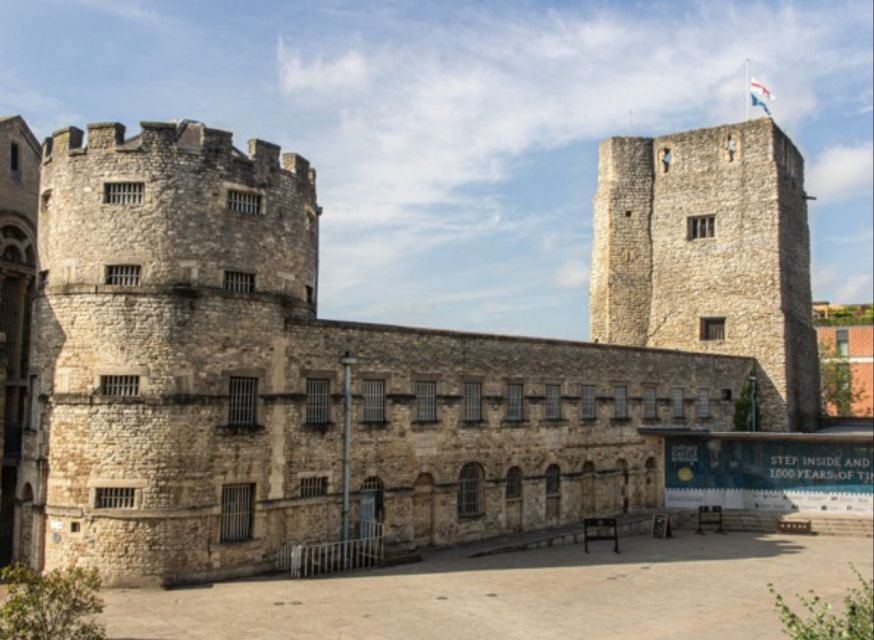
- St. George’s Tower gives you Oxford from above: The climb ends with 360-degree views across the city.
- The 900-year-old crypt is the most atmospheric stop: It is the only surviving part of St. George’s Chapel.
- The prison is not merely a medieval ruin: The Victorian D-Wing and Debtors’ Tower connect the site to a jail that closed in 1996.
- The castle mound adds a real medieval landmark: You can scale the Motte-and-Bailey earthwork and see the vaulted Well Chamber.
- The guide makes the difference: Guides including Rory, Anne, Yiyang, Tea, Emily, Rob, and Katie have been praised for clear explanations, humor, and good crowd awareness.
- You get time to wander afterward: The exhibition wing and prison can be explored at your own pace once the guided portion ends.
Why Oxford Castle and Prison feels different
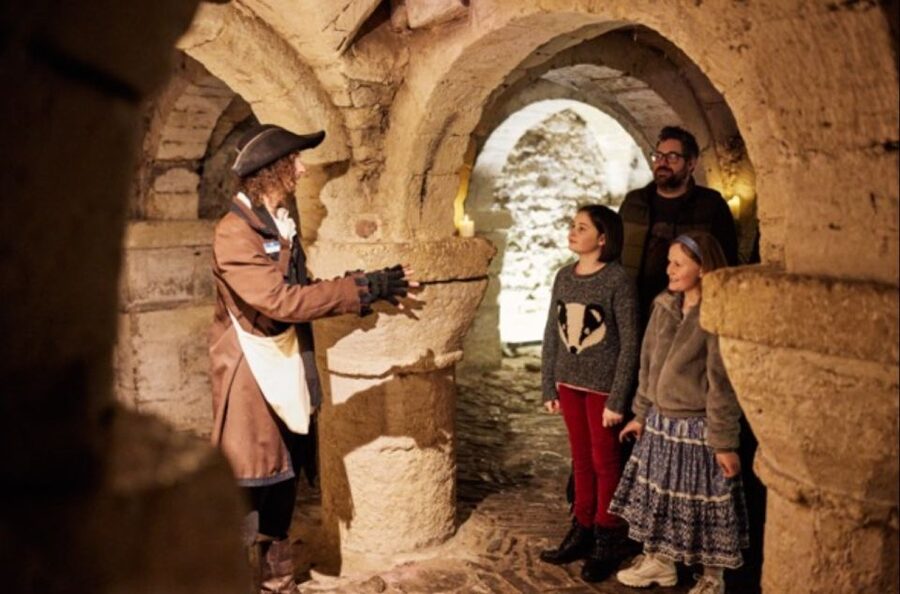
Oxford is famous for its university buildings, but this site tells a rougher and less polished story. Here you are not simply looking at a grand façade. You are walking through a place shaped by worship, warfare, royal politics, punishment, and ordinary people who ended up behind bars.
The castle was built in 1071, shortly after the Norman conquest. Its original defensive form was a Motte-and-Bailey castle, with an earth mound supporting a fortified upper area and a lower enclosed section. Much of that early castle has disappeared, but the mound and Well Chamber remain visible reminders of the site’s military beginnings.
The prison adds a more recent layer. Oxford Castle and Prison continued operating as a jail until 1996, which makes the history feel close rather than safely remote. You are not only hearing about medieval violence. You are also seeing spaces tied to the modern justice system.
That broad time span is the tour’s greatest strength. In one hour, you move from legends linked with King Arthur and the escape of Empress Matilda to the harsh conditions faced by debtors and Victorian prisoners. The range is impressive, though some visitors may find the story-packed format brisk.
More Castle Tours:
- Blenheim Palace Admission Ticket
★ 4.5 · 613 reviews - Stonehenge, Windsor Castle, and Bath from London
★ 4.5 · 18,662 reviews - Stonehenge, Windsor Castle and Bath with Pub Lunch in Lacock
★ 4.5 · 7,402 reviews
Climbing St. George’s Tower for the best view
The tour begins with one of its clearest rewards: St. George’s Tower. Described as Saxon and among Oxford’s oldest buildings, it gives the visit a strong sense of place before you head underground or into the prison.
You climb the tower by stairs, so this is the part to consider most carefully if you have knee, balance, or mobility concerns. Children under five cannot enter the tower because of health and safety rules. If you cannot make the climb, you can wait below with a guardian and watch the Story of Oxford Castle video, then rejoin the group when it returns.
At the top, the 360-degree view helps you understand Oxford as a city rather than a collection of separate sights. The view is a useful counterpoint to the enclosed rooms later in the visit. You begin outdoors and high above the streets, then spend much of the tour underground or behind thick walls.
Weather can affect this part of the experience. One recent visit could not include the mound climb because of poor conditions, although the mound could still be viewed. If the day is wet or windy, expect the outdoor sections to be adjusted for safety.
The crypt beneath St. George’s Chapel
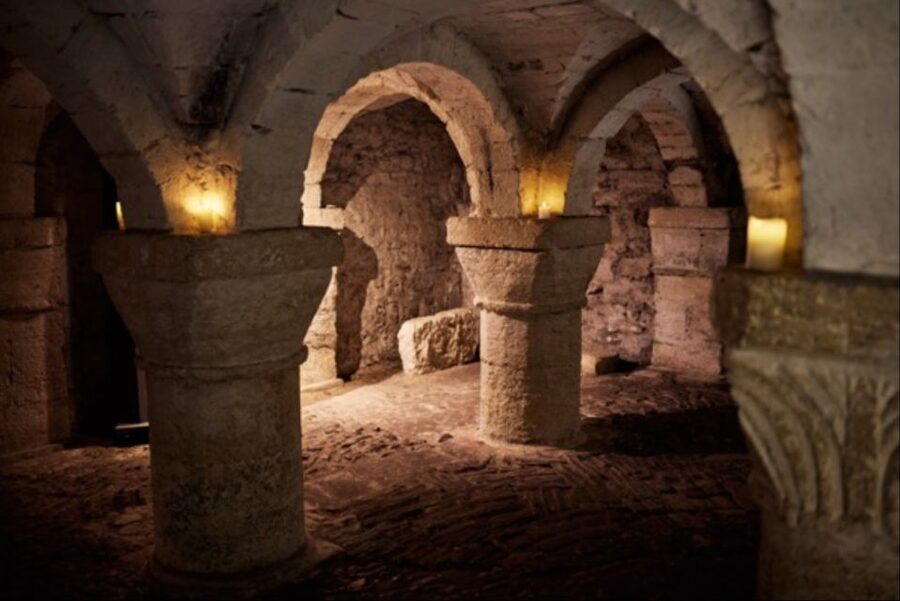
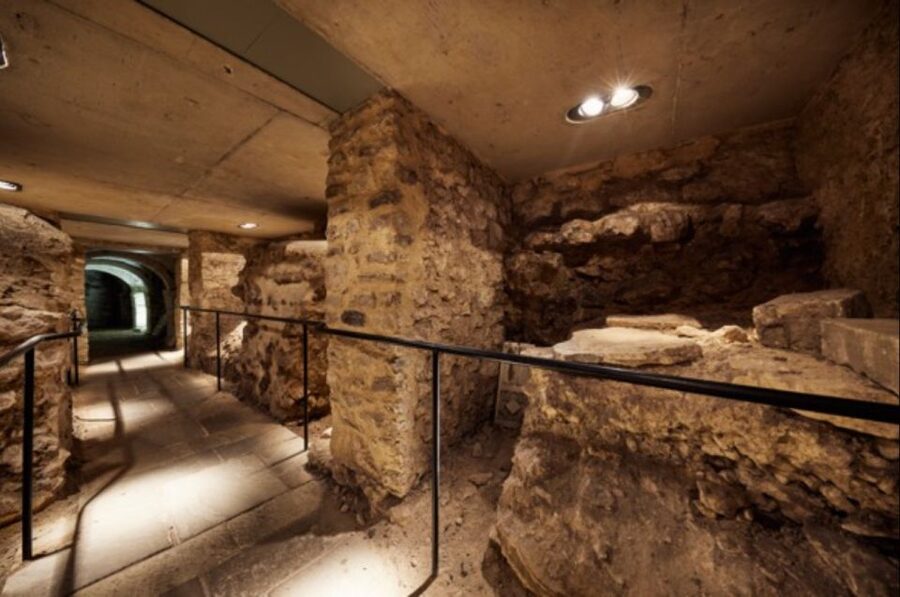
From the tower, the tour descends into the 900-year-old crypt. This is the only surviving part of St. George’s Chapel, and it gives the visit its strongest medieval atmosphere.
The crypt is valuable because it is not simply an exhibit about the past. Its vaulted stone structure is the past. A guide can explain the religious role of the chapel, but the low, enclosed space does much of the work on its own.
This is also where the costumed presentation helps. A good guide can connect the crypt to Oxford’s early religious and educational development without turning the stop into a string of dates. Guides such as Anne and Yiyang have been praised for making complex material easy to follow while keeping the tone light.
The atmosphere may not suit everyone. Dark, confined spaces can feel uncomfortable, and the route includes changes in level. If you prefer wide galleries and modern displays, the crypt will be more memorable than comfortable.
The Motte-and-Bailey mound and Well Chamber
The castle mound shows how Oxford’s Norman defenses once worked. It is a large earthwork rather than a complete stone castle, so you need to adjust your expectations. You will not find a fully preserved fortress with intact battlements at every turn.
What you do get is a clear physical link to 11th-century military planning. Climbing the mound gives you another view over Oxford and lets you see how the raised position would have helped control the surrounding area.
The vaulted Well Chamber is another small but important survival. It adds practical detail to the castle story. Fortifications depended on water, and a well chamber shows the less glamorous side of defense: storing and reaching basic supplies during uncertain times.
The outdoor route depends on conditions. Good weather makes the mound more rewarding, while rain can make it less inviting and may limit access. Wear shoes with a secure grip, especially if you plan to visit in cooler or wetter months.
A few more trips worth a look before you book
- Oxford University Walking Tour With University Alumni Guide
★ 5.0 · 6,905 reviews - Oxford: University and City Walking Tour with Alumni Guide
★ 4.7 · 4,429 reviews - Oxford: City and University Tour, including college entry
★ 4.5 · 2,243 reviews - Oxford: Harry Potter Walking Tour Including New College
★ 4.6 · 1,446 reviews
Debtors’ Tower and the Victorian prison

The transition from castle to jail is one of the most effective parts of the visit. The Debtors’ Tower and Prison D-Wing show how the site changed from a medieval stronghold into a place of confinement governed by later systems of law.
The Debtors’ Tower represents a system in which owing money could lead to imprisonment. That detail makes the history more personal. The people held here were not all dangerous criminals. Some were trapped by debt, and the prison could make it even harder for them to repair their finances.
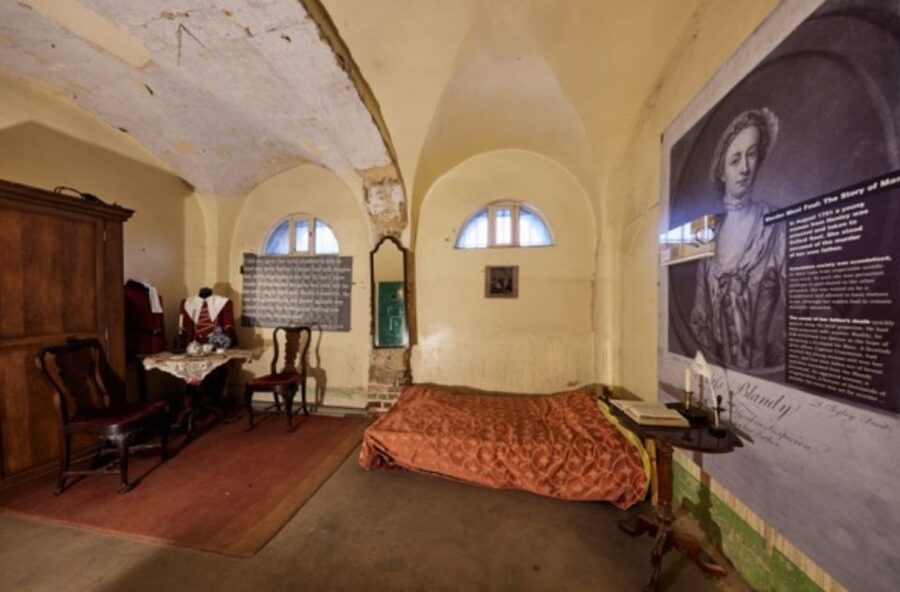
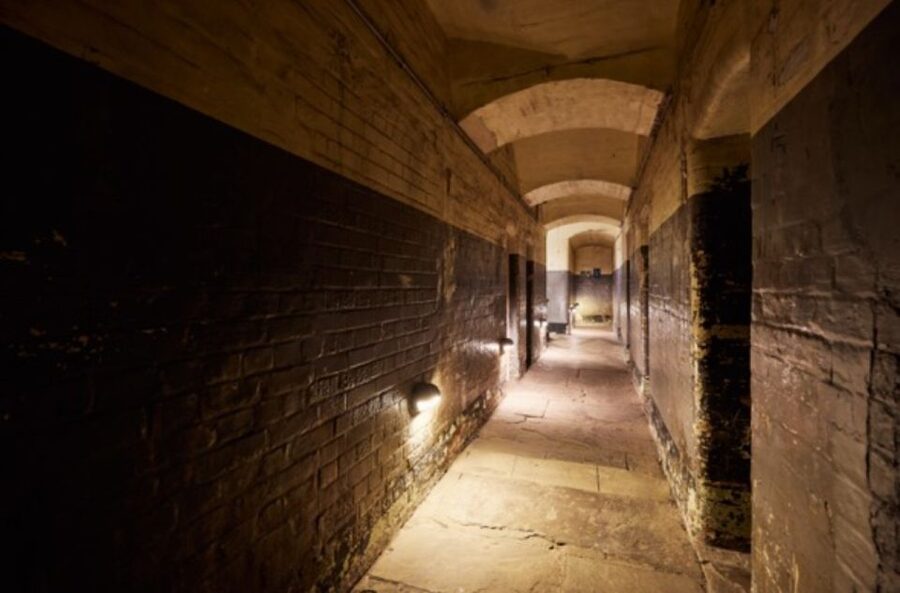
The Victorian D-Wing is more austere. You see cells and prison spaces presented to help you understand how inmates lived. The cell displays are particularly useful because they give scale to the story. A written description of prison conditions can feel abstract, but a narrow cell makes the lack of privacy and comfort easier to grasp.
The prison’s late closure in 1996 is a key reason this attraction works so well. The building is old, but its use is not ancient history. You can connect the stone corridors with the modern cases and inmates covered in the historical exhibition.
Some displays include criminal and disturbing subject matter. Families should decide how much detail is suitable for younger children. At the same time, the visit can work well for families because guides adjust their explanations to the group. A seven-year-old has enjoyed the experience, and guides have included children between three and eleven in a friendly way, though children under five cannot enter St. George’s Tower.
The exhibition wing after the guided tour
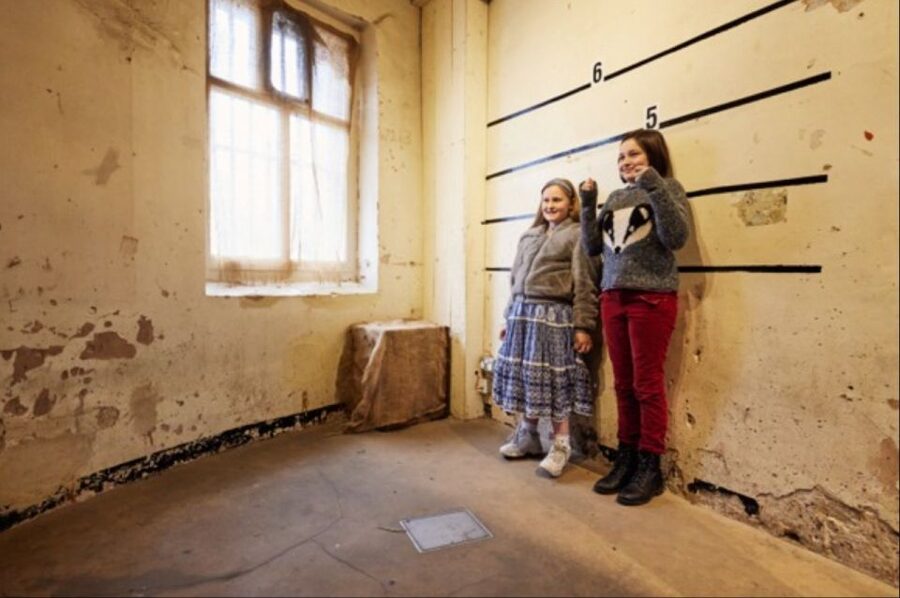
The guided portion lasts about 50 minutes. Afterward, you can explore the exhibition wing and prison at your own pace, which is an important part of the value.
I like this arrangement more than a tour that rushes from room to room and ends at the exit. You get the benefit of a guide’s narrative first, then freedom to return to displays that caught your attention. The interactive exhibits, mugshots, dressing-up elements, and prisoner photo opportunities add a lighter layer to a serious subject.
You can also spend more time reading about inmates and the site’s modern history. This is where the attraction becomes less about grand events and more about individual lives. The exhibition helps connect the castle’s long timeline with the people who actually lived, worked, suffered, and served time there.
Plan your own pace carefully. The official duration is one hour, but the guided section ends before the full visit does. If you are interested in prison history, allow extra time for the exhibition rather than treating it as a quick exit route.
Guides, storytelling, and the tour’s tone
The guides are the main reason this experience earns such strong marks. The best ones combine facts, stories, jokes, costumes, and clear movement through the buildings.
Rory has been praised for explaining the prison’s use until 1996. Anne is known for an engaging and enthusiastic style, while Yiyang has been described as both attentive to safety and good at making the history entertaining. Other guides, including Melissa, Ciaran, Rob, Emily, James, Katie, Alister, and Oliver, have also been singled out for clear storytelling and energy.
That consistency matters. Oxford Castle’s past can become confusing because the site changed function so often. A strong guide gives you a thread to follow, linking the chapel, tower, mound, prison, and exhibition instead of presenting them as unrelated rooms.
The tone is lively rather than solemn. Guides use humor and audience participation, and the costumes help younger visitors focus. The stories can include violence, punishment, murder, and harsh prison conditions, so this is not a gentle fairy-tale castle tour.
English is the tour language. One past visitor noted that translation materials may be available if requested at the desk, but the stated tour language is English. If you need a slower pace or language support, ask before joining the group.
Is $28 a fair price?
At $28 per person, this is not Oxford’s cheapest historic stop. The value depends on how you use it.
You are paying for access to several areas, a live guide, the tower, crypt, mound, prison, and exhibition. A self-guided visit would give you less context, and the site’s many periods could be hard to connect without help. The guide is especially useful here because the buildings are not arranged like a simple museum.
The price feels strongest if you enjoy historic buildings, prison stories, and active tours with stairs. It is also a good choice if you want something different from Oxford’s colleges and museums.
The value is weaker if you dislike confined spaces, cannot climb stairs, or want a leisurely half-day attraction. The guided portion is short, and you may finish the main narrative in under an hour. The extra exhibition time helps, but you should know that the tour itself is not a long, slow visit.
One past visitor considered the price slightly high but still recommended the experience. That feels like a fair assessment. I would book it for the guide and the variety of spaces, not just for the surviving castle remains.
Who should book this experience?

I would recommend it to first-time Oxford visitors who want a clear introduction to the city’s older and darker story. It works particularly well between visits to colleges, libraries, and museums because it offers a very different setting.
Families can enjoy it, especially when the guide uses humor and interactive features. Older children may be fascinated by the cells, mugshots, and prison stories. Parents should remember that some material is grim and that young children under five cannot enter the tower.
History fans will appreciate the overlap between medieval politics, religion, military architecture, and modern prison life. The tour also suits visitors who prefer a guide to reading every label alone.
I would be cautious if mobility is limited. The attraction is specifically not recommended for people with mobility impairments, and the route includes tower stairs, underground areas, uneven surfaces, and the mound. The access arrangements allow someone unable to climb the tower to wait below and rejoin the group, but that does not remove the other physical challenges.
Practical advice for a smoother visit
Meet at Oxford Castle and Prison and allow enough time to find the entrance and ticket area. One past visitor found it unclear that contact with staff had to be made inside at the ticket booth, so do not simply wait outside if you are unsure where to check in.
Wear comfortable shoes with a good grip. The tour includes stairs and old surfaces, and outdoor weather can affect the mound. If the forecast is poor, expect the outdoor part to be limited.
Keep the extra exhibition time in your plan. The guided tour gives you the structure, while the self-guided portion lets you study the cells, displays, and modern prison material at a more comfortable speed.
The experience is offered in English and lasts one hour as a scheduled activity, with the guided part taking about 50 minutes. You can cancel up to 24 hours in advance for a full refund, and the reserve-now, pay-later option can help if your Oxford plans are still changing.
Should you book Oxford Castle and Prison?
Book it if you want a lively, story-led look at Oxford beyond the university. The tower view, ancient crypt, castle mound, and prison wing create a varied hour, and the chance to keep exploring afterward makes the visit feel less rushed.
Skip it if stairs, confined rooms, or prison subject matter will make the experience uncomfortable. At $28, it is best for people who will listen closely to the guide and spend time in the exhibition afterward. For most mobile visitors who enjoy history with a darker edge, it is a worthwhile Oxford stop.
FAQ
How long does the Oxford Castle and Prison tour last?
The activity lasts one hour. The guided portion takes approximately 50 minutes, followed by time to explore the exhibition wing and prison independently.
What is included in the ticket?
The ticket includes access to the castle, prison, and mound, along with the guided tour.
What language is the tour in?
The live tour guide speaks English. Translation materials may be available by request at the desk, but English is the stated tour language.
Can children join the tour?
Children can join, and the tour can suit families. Children under five cannot enter St. George’s Tower because of health and safety regulations.
What happens if I cannot climb St. George’s Tower?
You may wait at the bottom with a guardian and watch the Story of Oxford Castle video. When the group returns, you can rejoin the tour as it continues.
Is the tour suitable for people with limited mobility?
The tour is not recommended for people with mobility impairments. The route includes stairs, underground areas, old surfaces, and outdoor sections.
Is the castle still a working prison?
No. Oxford Castle and Prison closed as a prison in 1996. The site now presents its castle and prison history as a visitor attraction.
Can I explore after the guided tour?
Yes. After the guided portion, you can explore the exhibition wing and prison at your own leisure, including returning to areas you want to see again.
Can I cancel for a refund?
Yes. You can cancel up to 24 hours in advance for a full refund. The reserve-now, pay-later option is also available.
Recently added around Oxford
- Stonehenge and Bath Tour from Oxford★ 4.5 · 56 reviews
- Women and Queer Histories Tour – by Uncomfortable Oxford™★ 5.0 · 60 reviews
- Oxford: Official CS Lewis and JRR Tolkien Walking Tour★ 4.5 · 63 reviews
- Oxford: Evening Sightseeing River Cruise with a Cocktail★ 4.8 · 66 reviews
- New College Oxford Harry Potter Insights PRIVATE TOUR Daily★ 5.0 · 67 reviews
- Tours of Oxford private walking tours for the Discerning Traveler★ 5.0 · 70 reviews
- Explore the Hidden Gems of Cotswolds Private Tour★ 5.0 · 72 reviews
- Small and Exclusive Oxford Highlights Tour★ 5.0 · 79 reviews
Castle Tours, compared.

Stonehenge, Windsor Castle, and Bath from London
Read our review →
Stonehenge, Windsor Castle and Bath with Pub Lunch in Lacock
Read our review →
Buckingham Palace: The State Rooms Entrance Ticket
Read our review →

Edinburgh Castle: Guided Walking Tour with Entry Ticket
Read our review →
Stonehenge, Windsor Castle and Bath Full Day Guided Tour
Read our review →
Windsor Castle, Stonehenge, and Oxford Day Trip from London
Read our review →
Edinburgh Castle Guided Walking Tour in English
Read our review →Browse the lists this tour appears in