
Reviewed · TICKETS
SEA LIFE Manchester Admission Ticket
Sea life takes center stage here. SEA LIFE Manchester gives you a compact, easy-paced aquarium visit with thousands of creatures, hands-on displays, and strong family appeal. I especially like the glass tunnel, where sharks and fish pass overhead, and the Rockpools, where children can touch starfish, crabs, and sea anemones under staff supervision. The ticket also lets you choose an entry time, which helps when you are fitting the aquarium into a busy Manchester day.
The main consideration is size. You can expect about two hours rather than a full-day attraction, and one family found the centre smaller than expected. It can also feel crowded during school holidays, so I would book a quieter weekday slot if your schedule allows. There is no café inside, though the Trafford Centre is close by for food.
In This Review
- Key points to know before you go
- What the $22.03 SEA LIFE Manchester ticket gets you
- Turtle Beach gives children a clear starting point
- Caves, lionfish, and pufferfish bring the strange factor
- Find Octopus Prime near the shipwreck
- The glass tunnel is the main showpiece
- Stingray Bay offers a gentler pause
- Rockpools are the best hands-on stop
- Conservation Cove finishes with a useful message
- How long should you allow?
- Booking, arrival, and family practicalities
- Who will enjoy SEA LIFE Manchester most?
- Should you book this ticket?
- FAQ
- How long does a visit to SEA LIFE Manchester take?
- What is included with the admission ticket?
- Are food and drinks included?
- Can I use a mobile ticket?
- Can I choose my entry time?
- Is SEA LIFE Manchester suitable for young children?
- Are optional animal experiences included?
- Are service animals allowed?
- Can I cancel for a full refund?
Key points to know before you go
- Turtle Beach opens the visit with a 3D life-cycle show, following a sea turtle from egg to ocean.
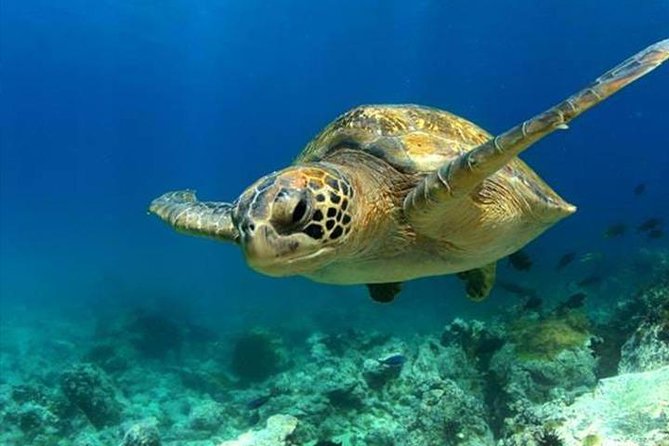
- The glass tunnel is the visual highlight, with blacktip reef sharks, shoaling fish, Ernie the green sea turtle, and Bonaparte the Napoleon wrasse overhead.
- Rockpools offer real hands-on learning, including chances to touch starfish, sea anemones, and crabs.
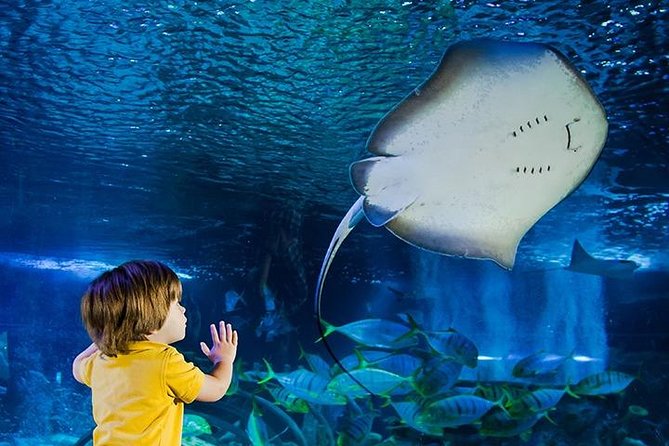
- Stingray Bay slows the pace, with blue-spotted rays and Cal, a rescued baby leopard shark.
- The ticket is best for a two-hour family outing, not an all-day aquarium visit.
- Book ahead for a chosen entry time, especially during school holidays, when the attraction can get busy.
What the $22.03 SEA LIFE Manchester ticket gets you
At about $22.03 per person, this ticket is priced like a short family attraction rather than a full-day excursion. That distinction matters. If you judge it against a whole day of entertainment, the value may feel limited. If you pair it with other plans around the Trafford Centre, the price makes more sense.
Your admission covers entry to SEA LIFE Manchester and access to the public exhibits. You choose an entry time, then move through the centre at your own pace. The advertised visit lasts about two hours, though families with young children may spend longer at the touch pools, activity areas, or child-friendly displays.
I see the strongest value in the range of ways the aquarium teaches. You are not simply walking past tanks. You can watch a 3D turtle story, look for a hidden octopus, stand beneath sharks, and touch small sea creatures. That variety keeps the visit moving, especially for children who tire quickly of static displays.
The ticket does not include food, drinks, transport, or souvenir photographs. Optional animal experiences, such as shark snorkelling, turtle feeding, and stingray feeding, are also not part of the standard admission described here. They may offer a more special occasion, but you should treat them as separate activities rather than expecting them with this ticket.
A few more trips worth a look before you book
- The Manchester City Stadium Tour
★ 5.0 · 4,176 reviews - Manchester: Canal & River Cruise
★ 4.4 · 3,761 reviews - Etihad Stadium: The Manchester City Stadium Tour
★ 4.8 · 3,096 reviews
Turtle Beach gives children a clear starting point
Your visit begins with Turtle Beach, an interactive 3D projection experience. It follows a sea turtle through its life cycle, from the egg on the beach to life in the sea.
This is a smart opening because it gives younger children a story to follow before they meet the live animals. Sea turtles can seem remote when seen only through a tank. Here, the display connects the animal to nesting, hatching, and survival in the ocean.
The attraction returns to turtle conservation later, so Turtle Beach is more than a quick visual effect. It sets up the idea that marine life faces dangers before it ever reaches open water. If you are visiting with a child who likes a clear narrative, this first section should work well.
The centre also includes a turtle game in Conservation Cove. Children help baby turtles reach the sea, turning a serious conservation topic into a simple activity. I like this approach because it gives children something to do while introducing the work of the SEA LIFE Trust.
Caves, lionfish, and pufferfish bring the strange factor
The underwater cave section shifts the mood. Instead of focusing on familiar ocean animals, it introduces creatures that look odd, defensive, or slightly alarming.
You may come face-to-face with a spiny lionfish, with its dramatic fins, and a porcupine fish, also known as a pufferfish. The display explains that some of these animals are poisonous or dangerous, which gives children a useful reminder that beautiful marine life should be respected rather than handled.
This part works best when you take time to read the information and look closely at the tanks. The animals may not always be moving in obvious ways, so younger children may need help spotting them. That is not a flaw, but it does mean the experience rewards patience more than a fast walk-through.
Next comes the moon jellyfish tank, where changing the colour of the display alters the way the animals appear. The jellyfish float slowly and gracefully, making this one of the calmer stops on the route.
The accompanying facts are memorable. Moon jellyfish have no brain, stomach, blood, heart, or eyes. Even children who forget most exhibit labels tend to remember that sentence.
Find Octopus Prime near the shipwreck
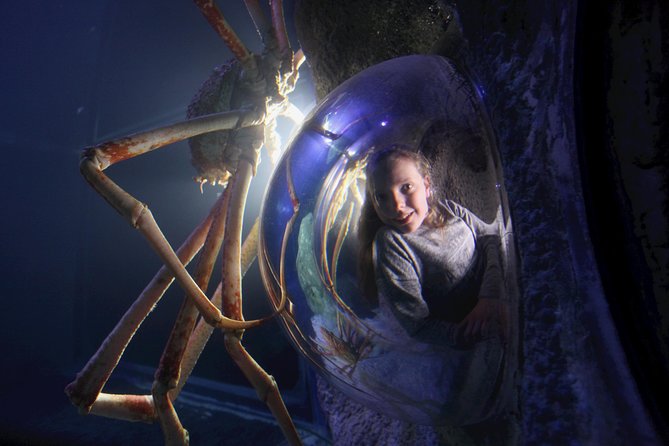
The shipwreck section introduces you to animals that live among dark gaps and hidden corners. It is also where you may spot Octopus Prime, a juvenile common octopus that likes to hide in the nooks and crannies of the tank.
That makes the octopus a good challenge for children. Instead of simply being shown an animal, they have to search for it. Give yourself a moment here, especially if the tank looks empty at first. The point is to notice how an octopus uses its surroundings for cover.
Before you reach the sharks, this area introduces less familiar deep-water creatures associated with wrecks. It builds anticipation without making the shark encounter the only attraction.
Then you can step beneath a viewing tank and watch blacktip reef sharks swim overhead. This is one of the centre’s strongest visual moments. The moving bodies above you create a sense of being under the water, while the enclosed setting keeps the experience manageable for children who might find a larger aquarium overwhelming.
A different sort of outing around Manchester:
- From Manchester: North Wales, Snowdonia, and Chester Tour
★ 4.8 · 1,577 reviews - Manchester: National Football Museum Admission Ticket
★ 4.4 · 1,243 reviews - Alcotraz Prison Cocktail Experience in Manchester
★ 5.0 · 1,216 reviews - Manchester: Sightseeing Bus Tour
★ 4.1 · 1,204 reviews
The glass tunnel is the main showpiece
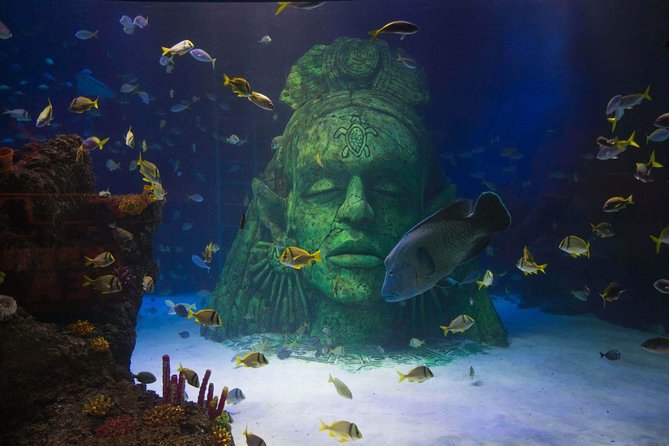
The glass tunnel is the section I would make sure not to rush. Shoals of fish move beside you, Ernie the green sea turtle glides above, and Bonaparte the Napoleon wrasse passes with striking blue eyes and broad fins.
The tunnel works because it gives you several levels to watch at once. Look up for Ernie, straight ahead for the fish, and around the sides for animals moving through the larger tank. Children can spend a surprising amount of time simply waiting for the turtle to pass.
Ernie also appears in the tropical ocean tank, where sharks, rays, and colourful fish move through the same large underwater setting. You may see divers and SeaTREK participants from the viewing area, adding a little human activity to the display.
One practical point: large tanks can create a traffic jam when several families stop at once. During school holidays, you may need to wait for a clear view. Booking ahead does not remove crowding inside, but choosing an earlier or less popular entry time may help.
Stingray Bay offers a gentler pause
Stingray Bay is a softer, more relaxed part of the visit. The rays glide through the water with a steady rhythm, and you can watch them from different points around the tank.
You may also see a blue-spotted ray and Cal, a rescued baby leopard shark. The contrast between the rays and the shark gives children another chance to compare body shapes, movement, and feeding habits.
This section is particularly good for a child who prefers calm observation to loud activity. It also gives adults a chance to slow down. The visit moves through several dark, highly themed areas, so a peaceful tank can be welcome.
A separate stingray feeding experience has received especially warm praise, with Jordan and Maya described as friendly and helpful. That feeding activity is not included in the standard admission, but it may be worth checking if you are planning a birthday visit or want more contact with the animals.
Rockpools are the best hands-on stop
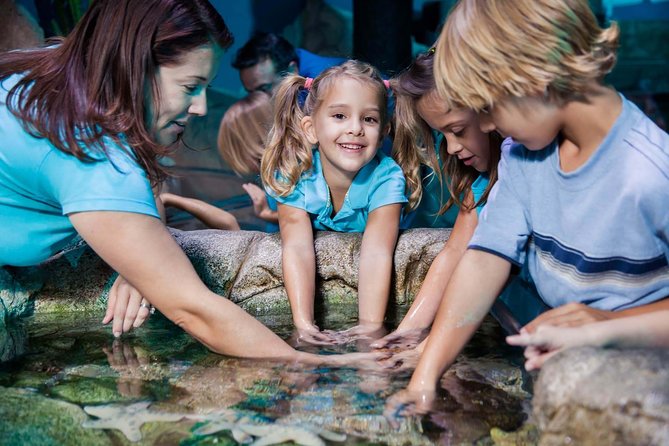
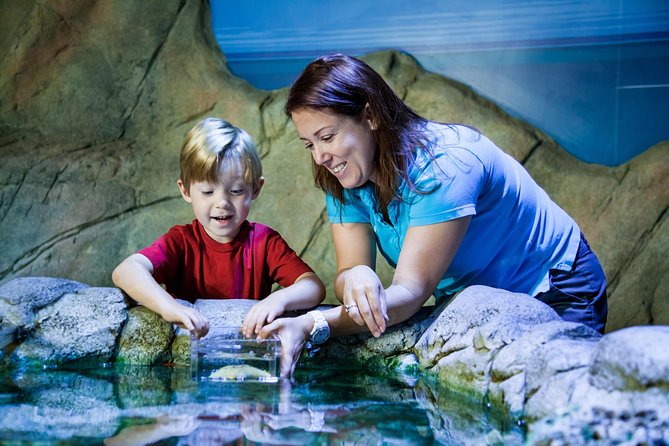
At the Rockpools, you can touch a starfish, feel a crab’s shell, and gently tickle a sea anemone. Staff are present to explain the small habitats and show you how to handle the animals carefully.
For many families, this will be the most useful stop in the aquarium. Children can connect a classroom idea to something they can actually feel. The display also helps explain that a seashore is full of small creatures, not only large fish and dramatic predators.
You should follow the instructions closely. Touch pools depend on careful handling, and the animals are there to be observed with respect. If your child is nervous at first, watching someone else touch a starfish can make it easier to try.
I would allow extra time here if you are visiting with younger children. A two-hour route can stretch when a child wants to return to a favourite pool or ask several questions. The centre’s staff have been praised for explaining animal care and answering questions, which adds real value to this part of the visit.
Conservation Cove finishes with a useful message
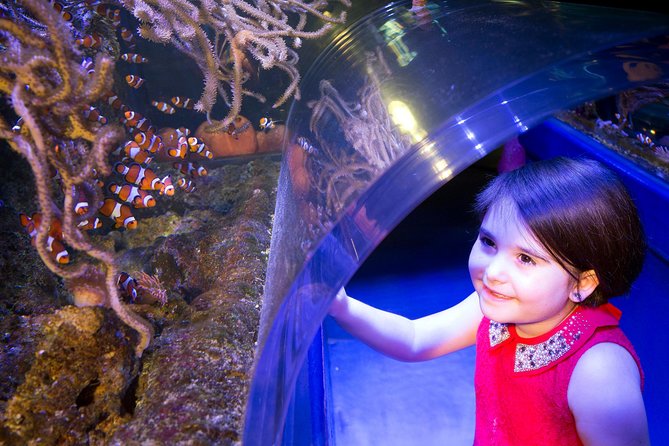
The final area, Conservation Cove, brings the visit back to the wider problem of protecting marine life. The turtle game asks children to help hatchlings reach the sea, while a sandbox contains hidden dangers connected with the beach.
The sandbox is a good idea because it turns an abstract conservation message into a search. Children can dig out the objects, identify the hazards, and learn how beach waste or other dangers can affect animals.
This ending gives the visit a purpose beyond looking at tanks. You have seen unusual fish, sharks, rays, turtles, and small rock-pool creatures. Conservation Cove asks you to think about what happens to them outside the aquarium.
For families, that makes the final section worth visiting even if children are beginning to tire. It is active, short, and linked to what they have already seen.
How long should you allow?
The suggested duration is about two hours. That is enough for a steady walk through the exhibits, with time to pause at the major tanks.
You may finish sooner if you move quickly or visit without children. You may take longer if you stop at every display, spend time at the Rockpools, or wait for a clear view at the tunnel.
I would not plan the ticket as a full-day activity. One family enjoyed a morning visit but felt unable to spend the whole day there. Another found the centre smaller than expected, though taking more time at each tank made the visit feel worthwhile.
That is the right way to approach it: plan SEA LIFE Manchester as one part of your day. The nearby Trafford Centre gives you an easy option for lunch or additional activities. There is no café inside the aquarium, so arrange food before or after your visit.
Booking, arrival, and family practicalities
You receive confirmation when you book, and the ticket is mobile, so you do not need a printed voucher. English is the listed language for the experience.
The attraction is near public transport, and one family found parking excellent. If you are combining the aquarium with the Trafford Centre, a footbridge provides a convenient link for lunch or a second activity.
The booking pattern suggests that people usually reserve around eight days ahead. I would not leave it until the last minute if you need a particular entry time, especially for a school holiday visit. The attraction is popular with families, and crowded periods can make the narrow viewing areas less comfortable.
Service animals are allowed, and most people can take part. The activity has a maximum of five travellers listed for the booking, which may matter if you are arranging admission for a larger family or group. Check how your party will be handled when making the reservation.
Free cancellation is available up to 24 hours before the start time for a full refund. A cancellation or change made less than 24 hours before the start time is not accepted for a refund, and the cut-off uses Manchester local time.
Who will enjoy SEA LIFE Manchester most?
I would recommend this aquarium most strongly to families with babies, toddlers, and primary-school children. The fish provide steady visual stimulation for very young children, while the touch pools and turtle game give older children something active to do.
It also works well for a birthday morning. One family used it for a seven-year-old’s birthday and added an Explorer Pack with a badge. The nearby Build-A-Bear attraction offered another treat, showing how easily the aquarium can fit into a larger Trafford Centre outing.
Adults who love large public aquariums may find the centre small. If you expect a full day of exhibits, you could feel short-changed at this price. If you want a manageable family activity with clear themes and several memorable animals, the scale is useful rather than disappointing.
The centre has also hosted shark snorkelling and turtle or stingray feeding experiences. Those optional activities received praise for attentive staff, with Jordan singled out for explaining the experience clearly and answering questions. They are worth considering for a special occasion, but the basic ticket remains a standard aquarium admission.
Should you book this ticket?
Book it if you want an easy, educational two-hour activity with strong appeal for young children. The best reasons are the glass tunnel, Ernie the turtle, the hands-on Rockpools, and the chance to move at your own pace after choosing an entry time.
Think twice if you are looking for a full-day aquarium or a quiet visit during school holidays. The centre can feel crowded, and there is no café inside.
For most families already planning time at the Trafford Centre, I consider the $22.03 price reasonable. Book ahead, choose your time carefully, and treat SEA LIFE Manchester as a focused morning or afternoon stop rather than the entire day.
FAQ
How long does a visit to SEA LIFE Manchester take?
The visit lasts approximately two hours. Your time may be shorter or longer depending on how long you spend at the tanks, Rockpools, and interactive displays.
What is included with the admission ticket?
The ticket includes entry to SEA LIFE Manchester and access to the included exhibitions and displays.
Are food and drinks included?
No. Food and drinks are not included, and there is no café within the centre. The Trafford Centre is nearby for lunch.
Can I use a mobile ticket?
Yes. A mobile ticket is included, and confirmation is received at the time of booking.
Can I choose my entry time?
Yes. You can choose your own entry time when booking, then explore the exhibitions at your own pace.
Is SEA LIFE Manchester suitable for young children?
Yes. The centre is family-friendly, and the displays include interactive activities, a turtle game, Rockpools, and colourful marine life suitable for babies and young toddlers.
Are optional animal experiences included?
No. Activities such as shark snorkelling, turtle feeding, and stingray feeding are not included in the standard admission ticket described here.
Are service animals allowed?
Yes. Service animals are allowed.
Can I cancel for a full refund?
Yes, if you cancel at least 24 hours before the experience start time. Cancellations or changes made less than 24 hours before the start time are not accepted for a refund.
Recently added around Manchester
- Manchester: Alcotraz Immersive Cocktail Experience Ticket★ 4.9 · 57 reviews
- Derbyshire & the Peak District from Manchester★ 4.5 · 64 reviews
- Angel Meadow Manchester History Tour with Author Dean Kirby★ 5.0 · 65 reviews
- Manchester: Afternoon walking tour★ 4.8 · 66 reviews
- From Manchester: Lake District Sightseeing Day Trip★ 4.7 · 69 reviews
- Manchester: Food and Drinks Walking Tour★ 4.9 · 70 reviews
- Manchester: Silent Disco Adventure Tour★ 5.0 · 72 reviews
- Lake District from Manchester Including Lake Cruise★ 5.0 · 74 reviews
Tickets, compared.






Buckingham Palace: The State Rooms Entrance Ticket
Read our review →

Tower of London and Crown Jewels Exhibition Ticket
Read our review →Browse the lists this tour appears in