
Reviewed · WALKING TOURS
Secret Old London Walking Tour
London keeps its darkest stories underfoot. The Secret Old London Walking Tour brings medieval churchyards, plague sites, execution grounds, and Roman ruins into a brisk 1.5-hour walk from Barbican. I like its unusual route and the way guides such as Rosie, Jess, Pepe, and Jeremy turn old stones into memorable stories. The main drawback is that the short length means some stops receive only a quick look.
I also like the balance of grim history and peaceful city spaces. You move from Charterhouse Square and Smithfield to a remarkable medieval church, a bombed-out shell, and a moving memorial, all in an area many London visitors skip. One small caution: the subject matter includes executions, disease, and death, so this is not a gentle sightseeing stroll.
In This Review
- Key points to know before you go
- Why this corner of London is worth your time
- From Barbican to Charterhouse Square
- Smithfield, jousts, and public executions
- St Bartholomew the Great and medieval London
- A church shell and the scars of the Blitz
- A quiet park and a memorial to self-sacrifice
- Finding London’s lost Roman amphitheatre
- Guide quality makes the difference
- Pace, comfort, and practical details
- Is the $26 price good value?
- Who should book this London history walk?
- Should you book the Secret Old London Walking Tour?
- FAQ
- Where does the Secret Old London Walking Tour start?
- How long does the tour last?
- How much does the tour cost?
- What language is the tour conducted in?
- Is the tour wheelchair accessible?
- What age group can join?
- Are dogs allowed on the tour?
- Are refreshments included?
- What should I bring?
- Can I bring luggage or record video?
Key points to know before you go
- Start at Barbican Underground Station: The walk begins in modern London and quickly leads into streets shaped by medieval and Tudor events.
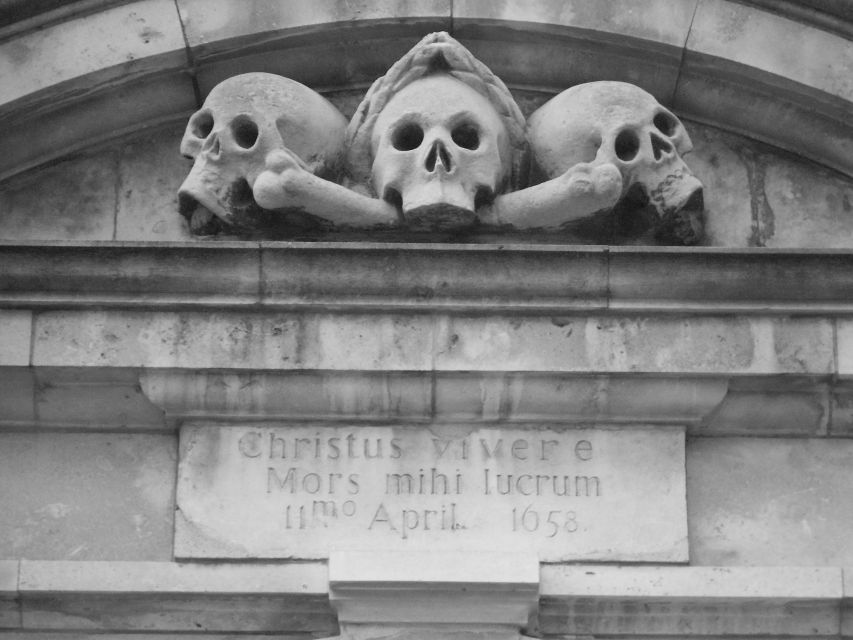
- Charterhouse Square hides a grim past: Its quiet setting once served as a dumping ground during the Black Death.
- Smithfield mixes pageantry and horror: Medieval jousts took place here, as did public executions, including that of William Wallace.
- St Bartholomew the Great is a major highlight: This medieval church has appeared in Four Weddings & A Funeral and Sherlock Holmes.
- The route includes war damage and Roman remains: You pass through a Blitz-damaged church shell and locate the perimeter of London’s lost Roman amphitheatre.
- Bring good shoes and travel light: Pets, large bags, luggage, and video recording are not allowed, while guide dogs are permitted.
Why this corner of London is worth your time
Central London is packed with famous sights, but the City of London often rewards curiosity more than a checklist. A glass office tower may sit beside a churchyard that has been part of the city for centuries. A plain street can mark the edge of a Roman public building or the route to an old execution site.
That contrast gives this walk its character. You are not simply looking at grand monuments. You are being shown how London’s past survives in small spaces, odd street lines, church walls, gardens, and scraps of open ground.
The tour is especially useful if you have already seen the Tower of London, Westminster, and St Paul’s Cathedral. It offers a different view of the capital, with less emphasis on royal ceremony and more on ordinary urban life, religious institutions, disease, punishment, war, and survival.
The tone is serious but not bleak. Guides have been praised for mixing historical detail with humor, politics, architecture, and even language history. That variety helps keep the walk moving, especially when the subject turns from gruesome events to churches, gardens, or the shape of the modern City.
More Walking Tours in London
- Magical London: Harry Potter Guided Walking Tour
★ 4.7 · 22,044 reviews - London: The Original Jack the Ripper Walking Tour
★ 4.7 · 7,833 reviews - Tour for Muggles The Ultimate Harry Potter Walking Tour in London
★ 5.0 · 4,684 reviews
From Barbican to Charterhouse Square
Meeting outside Barbican Underground Station puts you in the right mood from the start. The area is now linked with concrete towers, cultural venues, and office buildings, but the route soon points toward older layers of London.
The first major stop is Charterhouse Square. Today, its calm atmosphere can make it difficult to picture the Black Death, yet this area was used as a dumping ground during the plague roughly 600 years ago. That sharp contrast is one of the tour’s strongest features: a quiet park becomes a place where the city’s worst crisis feels close at hand.
I would pay attention here to how the guide uses the setting. The value is not just in hearing a date or a fact. It is in seeing how the city has reused and built over places connected with fear, illness, and mass death.
This is also where the tour establishes its style. You are encouraged to look beyond the obvious view and think about what stood here before the present streets and buildings. The route is not designed as a long march between headline attractions. It is a series of compact discoveries.
Smithfield, jousts, and public executions
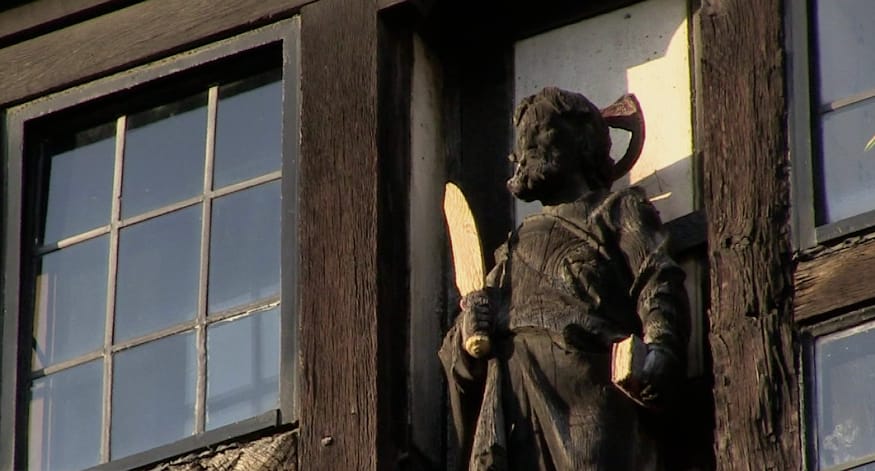
Around the corner, Smithfield brings a much harsher story. The open space hosted medieval jousts, but it was also one of London’s principal execution sites. The tour asks you to imagine the crowds, noise, fear, and spectacle connected with public punishment.
William Wallace, the Scottish figure made famous by Braveheart, was executed here. The promotional description places him among the condemned associated with Smithfield, although one booking noted that the guide did not mention him on that particular walk. If Wallace is a must-hear subject for you, it is sensible to ask at the start if that story will be covered.
Smithfield works well as a stop because the setting is broad and open. You can better understand how public events could take place here, rather than in a cramped lane. The walk does not treat the gruesome material as cheap shock. Instead, it connects executions with the way medieval cities used public spaces for ceremony, entertainment, punishment, and control.
This part may not suit young children. The minimum age is over 12, and that limit makes sense given the stories of executions, plague, and human suffering.
St Bartholomew the Great and medieval London
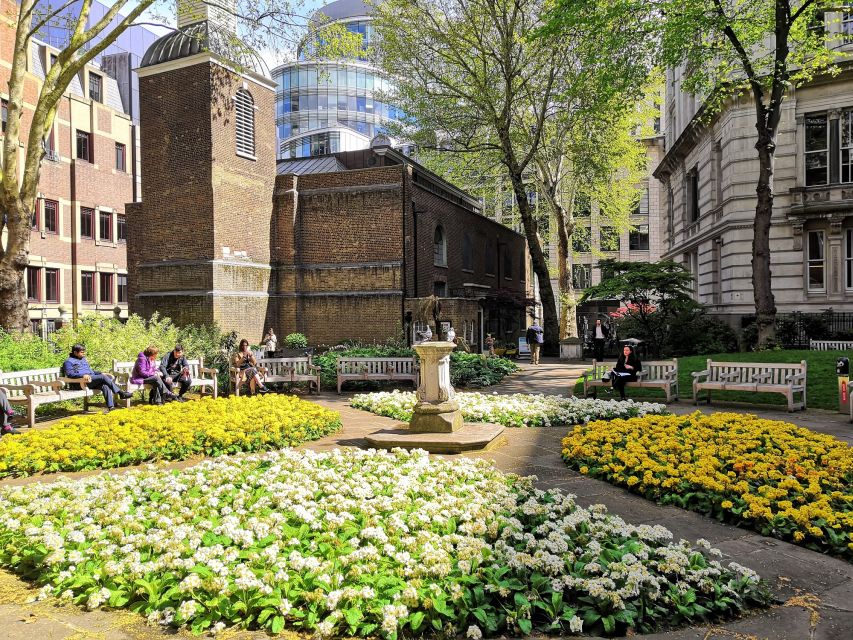
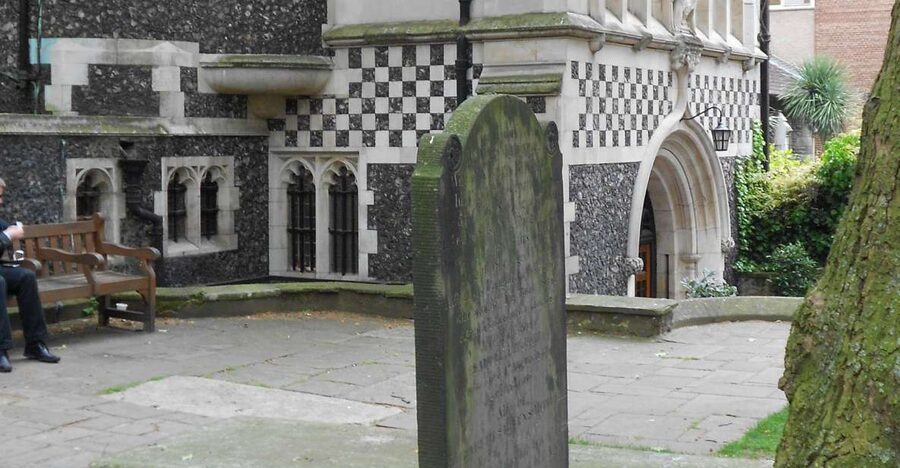
Between Charterhouse Square and Smithfield is St Bartholomew the Great, one of London’s finest medieval churches. Its age gives the tour a welcome change of pace after the open execution ground.
The church is also familiar from film and television. It was used in Four Weddings & A Funeral and Sherlock Holmes, so film fans may recognize parts of the setting. Even if you have seen it on screen, the on-site explanation adds another layer by placing the building within the religious and urban life of old London.
The church is a good example of why a guide matters on this route. Without context, an old church can seem like another attractive building. With a lively explanation, you begin to understand how monasteries, churches, and surrounding land helped shape the City.
Several guides have been praised for bringing this period to life through more than dates. Rosie, in particular, was noted for linking history with architecture, politics, and the development of language. That approach suits this walk because London’s past is not neatly divided into separate subjects.
A different sort of outing around London:
- London: The London Eye Entry Ticket
★ 4.6 · 35,875 reviews - From London: Harry Potter Warner Bros Studio Tour
★ 4.7 · 26,588 reviews - London: Westminster to Greenwich River Thames Cruise
★ 4.5 · 22,836 reviews - London: Madame Tussauds London
★ 4.6 · 20,915 reviews
A church shell and the scars of the Blitz
Later, the route passes through the shell of a church destroyed during the Blitz. This is one of the walk’s most striking changes in time. The tour has already carried you through medieval and Tudor London, then suddenly brings you into the twentieth century through a building damaged by war.
A ruined church can say more than a restored monument. The missing roof and open walls leave the destruction visible, while the site’s earlier religious purpose remains clear. You get a direct sense of how London has suffered repeated breaks in its history, not just one long, unbroken story.
This stop also gives the walk a wider frame. London’s old streets are not only about kings, plague pits, and public executions. They also carry the marks of aerial bombing and modern conflict.
If you visit in winter, keep moving during pauses. One person found the tour excellent on a cold day but felt that spending less time looking at pictures and more time walking would have helped them stay warm. That is fair advice: wear a coat suited to standing outdoors, not just walking between heated attractions.
A quiet park and a memorial to self-sacrifice
The tour also leads through a park containing what is described as one of London’s most touching memorials. It honors heroic self-sacrifice, giving the route an emotional change after its focus on punishment and death.
The exact appeal of this stop is its modest setting. You may pass a small memorial without noticing it, yet the story gives the space weight. This is the kind of place a standard sightseeing route can easily miss.
The park also helps keep the walk from becoming a nonstop parade of grim facts. You get a moment to look around, breathe, and consider a different kind of courage. The route’s best moments come from this contrast: quiet greenery beside old churches, then stories of plague, war, or execution.
Guides have been praised for choosing beautiful parks and overlooked gardens as well as famous historical locations. That balance makes the walk suitable for someone who wants atmosphere and human stories, not just a list of dates.
Finding London’s lost Roman amphitheatre
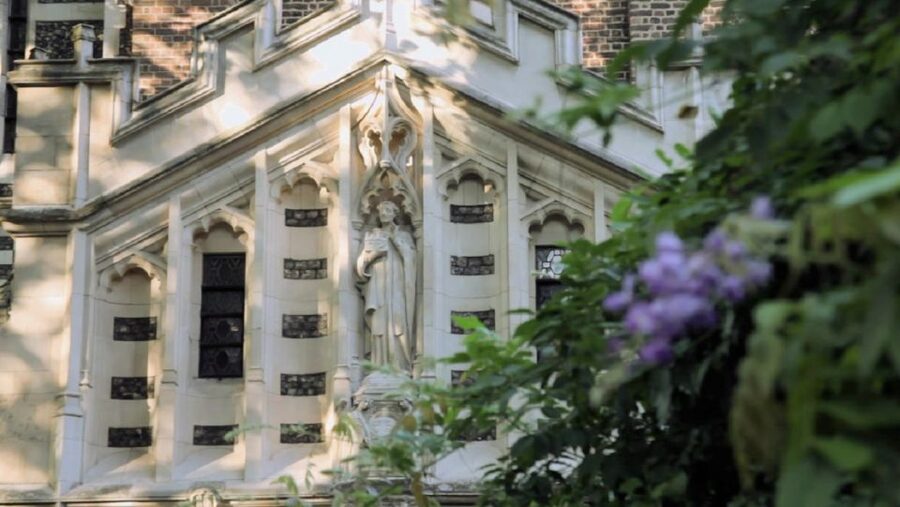
One of the final major themes is Roman London. The group locates the perimeter of the city’s long-lost Roman amphitheatre, a reminder that London’s public life began long before the medieval streets took shape.
You should not expect a complete amphitheatre rising from the ground. The appeal is in identifying its former boundary and understanding how the Roman city occupied this part of London. The stop asks you to read clues in the modern city rather than admire a fully preserved ruin.
That makes this a good choice for people who enjoy historical detective work. You are connecting the present street plan with a vanished building and imagining the scale of Roman entertainment in a city that otherwise looks thoroughly modern.
The Roman stop also rounds out the timeline. In 90 minutes, the walk moves from Roman London to medieval religion, the Black Death, Tudor-era punishment, the Blitz, and memorials in the modern city. The amount of ground covered is impressive, but it also explains why the guide has to keep a firm pace.
Guide quality makes the difference
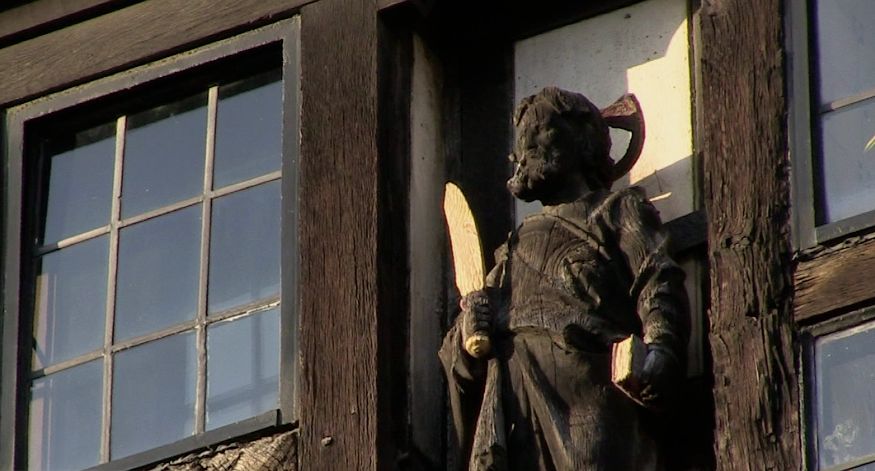
The experience depends heavily on the person leading it. The strongest comments focus on guides who are friendly, entertaining, passionate, and able to explain a large amount of material without making the walk feel like a lecture.
Names that have received particular praise include Rosie, Jess, Jesse, Pepe, and Jeremy. Rosie was valued for her lively delivery and broad subject knowledge. Jess was praised for being approachable and funny, while Pepe and Jeremy were also singled out for strong presentations and a clear grasp of London’s past.
One useful sign is the range of people who enjoyed the tour. It has worked for London residents who wanted to play tourist for an afternoon, first-time walking-tour participants, and visitors who already thought they knew the city well.
The high rating, 4.8 out of 5 from 154 ratings, fits that pattern. Praise focuses less on flashy production and more on the guide’s ability to make overlooked places feel important.
Still, the guide’s style may vary from one departure to another. If you prefer silent observation or a self-guided pace, the steady commentary may feel like too much. If you enjoy stories, questions, and connections between buildings and events, it is a major part of the value.
Pace, comfort, and practical details
At 1.5 hours, this is a manageable addition to a London day. You get a concentrated history walk without giving up half a day. The route is suitable for people over 12 and is listed as wheelchair accessible.
Wear comfortable shoes. The tour is on foot, and the experience depends on moving through streets and open spaces rather than settling into one venue.
There are no refreshments included, so bring water if you need it. Pets are not permitted, apart from guide dogs, and luggage or large bags are not allowed. Video recording is also prohibited, so plan to listen and take written notes if you want to remember details.
The meeting point outside Barbican Underground Station is practical for reaching the start. Check the available departure time when booking, since the exact starting time is not fixed in the general tour details.
The booking terms are friendly for uncertain plans: you can reserve now and pay later, and cancellation up to 24 hours before the start brings a full refund. Those policies do not change the experience itself, but they reduce the risk of fitting it into a busy London schedule.
Is the $26 price good value?
At $26 per person, the tour is reasonably priced for a live, English-language walk lasting 90 minutes. You are paying for a guide who can connect several periods of London history, not for entry to a major attraction.
The value is strongest if you would otherwise walk past these places without understanding them. St Bartholomew the Great, Smithfield, Charterhouse Square, the memorial, the Blitz-damaged church, and the Roman amphitheatre site may all be visited independently, but the connections between them are harder to build on your own.
The price is less compelling if you want long visits inside churches or museums. This is a moving outdoor walk, and the tour has to cover a lot of material in a short time. You may leave with several new places to revisit rather than a full examination of each one.
For a first walking tour, the format is welcoming. For London residents, it offers a strong reason to explore a familiar part of town with fresh eyes. The fact that several local participants learned new details is a useful measure of its value.
Who should book this London history walk?
I would choose this tour if you like atmospheric places, uncomfortable history, old churches, and stories that connect ordinary streets with major events. It is also a good pick after you have covered London’s standard sights and want something less predictable.
It suits couples, adult families with older children, solo visitors, and small work groups. One booking described it as a successful team-day activity, which makes sense because the route offers plenty to discuss without requiring a full day together.
You should think twice if you dislike stories about executions, plague, or death. You may also prefer another activity if you want lots of free time for photographs, since the guide needs to keep the group moving and explain many stops.
Should you book the Secret Old London Walking Tour?
Book it if you want London to feel stranger, older, and more human than it does from the usual sightseeing route. The best parts are the contrast between peaceful spaces and violent events, the medieval church, the Blitz shell, and the clues to Roman London.
I would especially recommend it to curious repeat visitors and residents. For $26, you get a focused introduction to a part of the City that is easy to overlook, plus the chance to hear the route brought to life by guides such as Rosie, Jess, Pepe, or Jeremy.
Just bring comfortable shoes, dress for standing outdoors, and keep your expectations realistic. This is a fast-moving history walk, not a series of long interior visits. If that sounds right, it offers an unusually good look at London’s past in a compact 90 minutes.
FAQ
Where does the Secret Old London Walking Tour start?
The tour starts outside Barbican Underground Station.
How long does the tour last?
The walking tour lasts 1.5 hours.
How much does the tour cost?
The listed price is $26 per person.
What language is the tour conducted in?
The live tour guide speaks English.
Is the tour wheelchair accessible?
Yes, the activity is listed as wheelchair accessible.
What age group can join?
The tour is suitable for all persons over 12.
Are dogs allowed on the tour?
Dogs are not permitted, except for guide dogs.
Are refreshments included?
No. Refreshments are not included in the tour price.
What should I bring?
Bring comfortable shoes for the walking route.
Can I bring luggage or record video?
Luggage and large bags are not allowed, and video recording is prohibited.
Recently added around London
- PRIVATE HIRE 45 min Speedboat Tour – Embankment/Westminster Pier★ 5.0 · 55 reviews
- Private Tour of London’s Historic Pubs★ 5.0 · 55 reviews
- From London: Glastonbury and Cheddar Gorge Guided Day Trip★ 4.8 · 55 reviews
- Gatwick Airport Taxi – Private Transfer to/from London★ 5.0 · 55 reviews
- London: Kew to Westminster River Thames Cruise★ 4.2 · 55 reviews
- London by Night – Tootbus Sightseeing Tour★ 3.5 · 55 reviews
- London: Tower of London After Hours Tour and Key Ceremony★ 4.8 · 56 reviews
- Private Round Trip Transfer between London Airports and Hotel★ 3.5 · 56 reviews
Walking Tours, compared.

Magical London: Harry Potter Guided Walking Tour
Read our review →
Underground Vaults Walking Tour in Edinburgh Old Town
Read our review →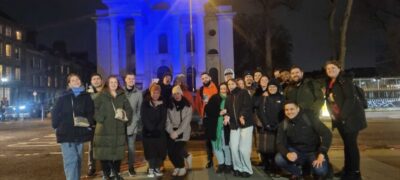

Oxford University Walking Tour With University Alumni Guide
Read our review →
Edinburgh Castle: Guided Walking Tour with Entry Ticket
Read our review →
Edinburgh Castle Guided Walking Tour in English
Read our review →
Tour for Muggles The Ultimate Harry Potter Walking Tour in London
Read our review →
University and City Walking Tour with Alumni Guide
Read our review →Browse the lists this tour appears in