Reviewed · WALKING TOURS
Walking tour of Lancaster – Execution Slavery Industry
Lancaster’s past is darker than its pretty streets suggest. This three-hour walk connects the castle, old harbor, royal tales, slavery links, canals, and local scandals in one well-paced route. I especially like the small group limit of 20 and the way the walk reaches places you might miss on your own. The castle-front meeting point is also easy to find.
The guide, Barrie, is praised for his clear storytelling, humor, and huge store of local facts. I like that the tour is not limited to grand buildings. It also explains ordinary streets, almshouses, mills, and public squares. The main drawback is simple: you will spend much of the three hours walking and standing outdoors, so cold or wet weather can make the experience tiring.
In This Review
- Key points to know before booking
- Why this Lancaster walk is worth your time
- Starting at Lancaster Castle
- Saint George’s Quay and Lancaster’s slave-trade connections
- Judges’ Lodgings and the shadow of witchcraft
- Church Street and the missing prince
- Market Street and two royal prices
- Dalton Square, forensic science, and slave-owner payments
- Lancaster Canal and the Storey Brothers
- Penny’s Almshouses and charitable Lancaster
- The Storey and Lancaster’s educational tradition
- Barrie’s guiding style
- Price, timing, and practical value
- Who should book this walk?
- Should you book the Lancaster walking tour?
- FAQ
- Where does the walking tour begin?
- Where does the tour finish?
- How long does the tour last?
- How much does the tour cost?
- How many people can join the tour?
- Is the tour offered in English?
- Is a mobile ticket available?
- Can I cancel for a full refund?
- What happens if the weather is poor or the minimum group size is not met?
Key points to know before booking
- Lancaster Castle sets the tone: Learn about prisoners, trials, executions, and the building’s place in local history.
- The slavery story is handled on the waterfront: Saint George’s Quay links Lancaster to the international slave trade and the people involved in it.
- Barrie is a major strength: His humor, anecdotes, and detailed knowledge help hold your attention across many stops.
- You cover a lot of ground: Nine stops take you from the castle to the canal and back through the city center.
- The price is reasonable: At $20.81 per person, you receive about three hours of guided walking with no extra admission charges listed.
- Plan for outdoor conditions: The tour requires good weather, and most of the experience involves walking or standing.
Why this Lancaster walk is worth your time
Lancaster is compact enough to explore on foot, but its story is not always easy to read from the buildings alone. This walk gives you a framework. You move from the castle’s judicial past to the harbor’s commercial past, then through royal stories, industrial growth, charitable housing, and education.
I like this approach because it avoids treating Lancaster as a collection of isolated sights. A square becomes more interesting when you know about a murder or a government payment connected with it. A canal becomes more than a pleasant waterway when you hear how it supported local industry.
The walk is also useful at the start of a wider Lancashire visit. It gives you an overview of the city, then points out places you may want to revisit at your own speed. One participant even noted that the guide identified other options for later, which is practical if Lancaster is your base for more than a day.
The current rating is 4.9 from 71 ratings, with 99 percent recommending the experience. That is a strong record, though one failed departure was reported. The operator offered a free alternative date afterward and explained that winter tours did not run on Wednesdays, so check your selected date and meeting details carefully.
More Walking Tours:
- Magical London: Harry Potter Guided Walking Tour
★ 4.7 · 22,044 reviews - Underground Vaults Walking Tour in Edinburgh Old Town
★ 4.5 · 8,506 reviews - London: The Original Jack the Ripper Walking Tour
★ 4.7 · 7,833 reviews
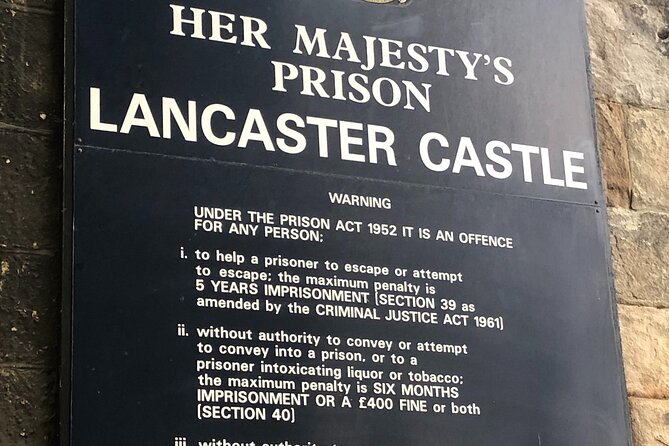
Starting at Lancaster Castle
The walk begins at Castle Approach, Lancaster LA1 1YN, directly by Lancaster Castle. This is a sensible meeting point for anyone new to town because the castle is one of the city’s easiest landmarks to locate.
The opening stop lasts about 20 minutes. The focus is not simply on the castle’s architecture. You hear about its prisoners, trials, executions, and its wider role in Lancaster’s justice system.
That subject matter gives the tour its title and its edge. Lancaster Castle is not presented as a romantic old fortress alone. It is also a place where law, punishment, and public authority played out over centuries.
The stop is especially useful if you plan to visit the castle separately. The tour provides context before you decide how much time to spend inside. The listed walking tour itself includes no admission charge, but the information supplied does not say that interior castle entry is part of the experience.
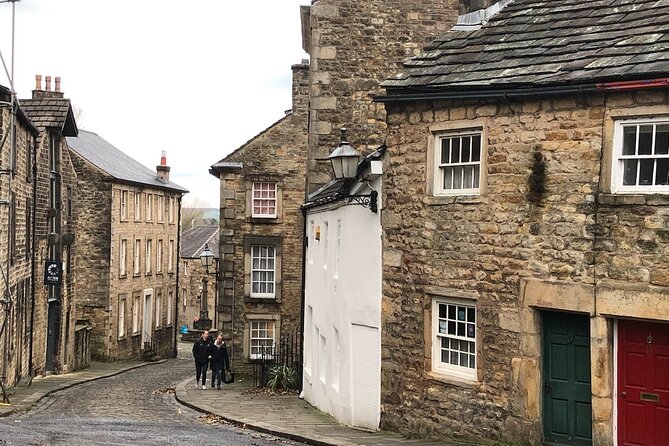
Saint George’s Quay and Lancaster’s slave-trade connections
From the castle, the route reaches Saint George’s Quay, an eighteenth-century harbor on the River Lune. Allow about 15 minutes here.
This is one of the most important stops because it moves the story beyond local courtrooms. Lancaster’s connection to the international slave trade is tied to the port, its commerce, and the people connected with this stretch of waterfront.
The setting helps. Standing beside the old harbor, you can picture the quay as a working port rather than simply a scenic riverside. The guide connects the physical place with the people and trade that gave Lancaster influence and money.
I appreciate that the tour includes this subject directly rather than treating it as an optional footnote. The title makes clear that slavery is a central part of the walk, and the quayside is where that history becomes easiest to understand.
The waterfront may also be exposed to wind and rain. Wear a coat that can handle the weather, even if the forecast looks mild in town.
Judges’ Lodgings and the shadow of witchcraft
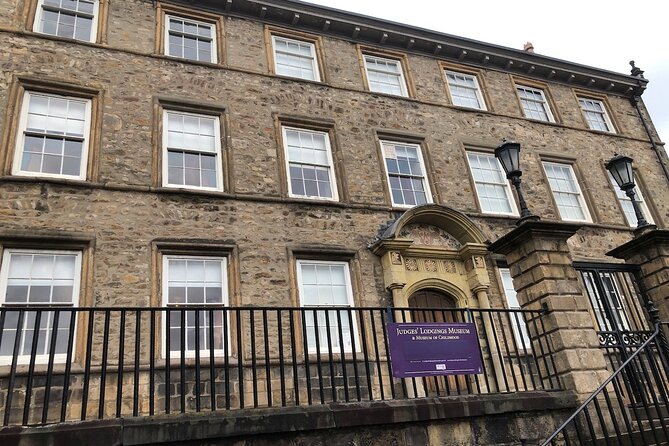
The Judges’ Lodgings is described as Lancaster’s oldest house, and the tour allows about 10 minutes here. The main questions concern its owners and its link with witchcraft.
This stop adds a different kind of tension. The castle deals with formal trials and executions, while the Judges’ Lodgings connects the city’s legal world with beliefs about witchcraft.
It is a good example of the walk’s range. You are not simply moving from one famous structure to another. You are learning how power, law, reputation, and fear affected people in Lancaster.
Because each stop is short, you should expect a focused explanation rather than a long interior visit. The advantage is that the tour keeps moving. The trade-off is that anyone wanting a detailed architectural tour of the house will need to explore further on their own.
A different sort of outing around the UK:
- London: The London Eye Entry Ticket
★ 4.6 · 35,875 reviews - From London: Harry Potter Warner Bros Studio Tour
★ 4.7 · 26,588 reviews - London: Westminster to Greenwich River Thames Cruise
★ 4.5 · 22,836 reviews - London: Madame Tussauds London
★ 4.6 · 20,915 reviews
Church Street and the missing prince
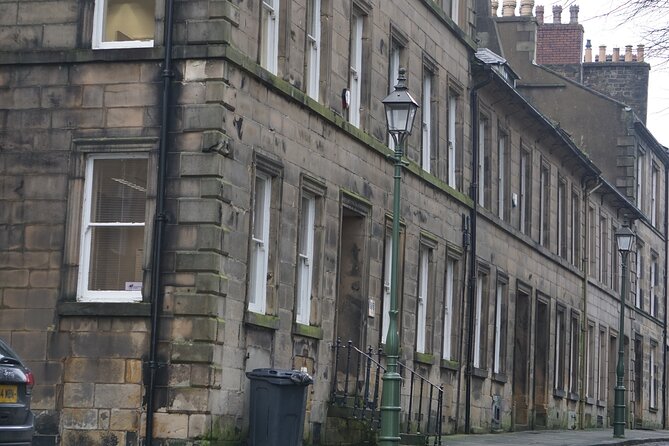
Church Street brings a royal mystery into the route. The story concerns a prince who goes missing and the possibility that he could have become king of England.
The stop lasts about 10 minutes. Its value comes from the way a national political question is tied to a particular Lancaster street.
This is the sort of tale that makes a walking tour more memorable. You are not only given dates and names. You get a question, a disputed possibility, and a location where the story can be discussed.
The exact amount of detail will depend on the guide’s presentation and questions from the group. Barrie’s patient style is useful here because several participants praised his willingness to handle questions while keeping the walk moving.
Market Street and two royal prices
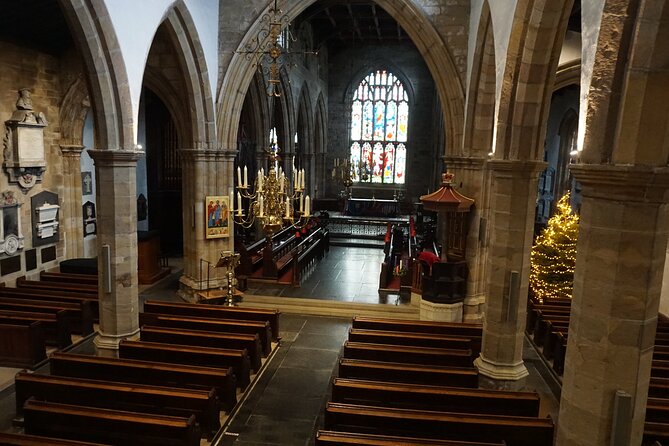
Market Street continues the royal thread, but with two separate stories set 300 years apart. One prince raises a banner, while another loses a shoe.
That unusual pairing gives the stop a lighter, more anecdotal feel after the darker subjects of executions and slavery. It also shows how the tour uses small details to make Lancaster’s past easier to remember.
The word prices in the supplied stop description appears to mean princes. The central idea is clear: two royal figures, two incidents, and a long gap between them.
At about 10 minutes, this is another brisk stop. You will hear enough to understand why the street matters, but you should not expect a full political history of England.
Dalton Square, forensic science, and slave-owner payments
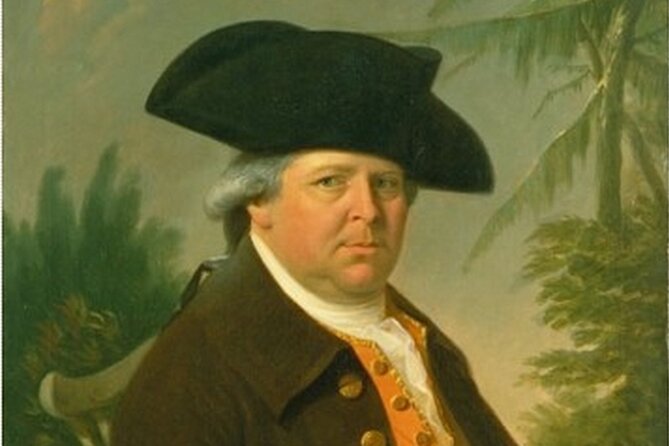
Dalton Square brings together two striking subjects. One is a murder described as the first solved by forensic science. The other is a government bonus paid to slave owners.
This may be the most revealing stop for understanding how Lancaster’s local story reaches into wider British history. A crime investigation shows changing methods of justice, while the payment to slave owners exposes the financial side of emancipation and the uneven way compensation was handled.
The combination is uncomfortable, but useful. The tour does not separate pleasant local stories from difficult facts. It places them beside one another and asks you to see the city as a place shaped by both public progress and serious wrongdoing.
The square also gives the guide room to tell a story rather than list information. Barrie’s style is often described as humorous and energetic, with amusing details mixed into an impressive number of facts. That balance matters during a three-hour walk.
Lancaster Canal and the Storey Brothers
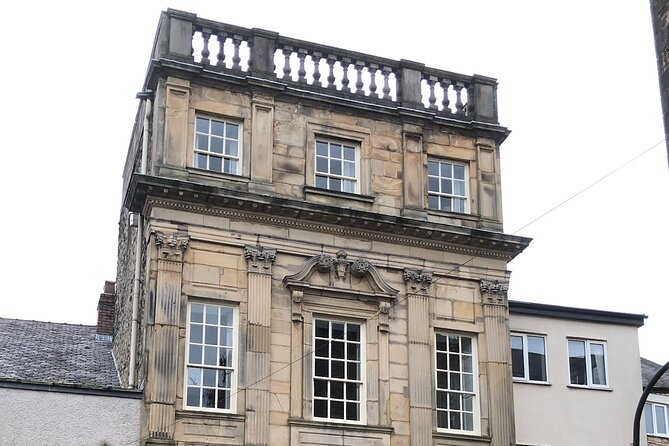
The route then reaches the Lancaster Canal and White Cross Mill. This stop looks at the Storey Brothers and the period when the canal was at its busiest.
Here, the focus shifts from law and politics to industry. The canal explains how goods and people moved, while the mill points to the work and business that helped shape the city.
I like this stop because it gives physical meaning to Lancaster’s industrial growth. Waterways can look peaceful now, but their original purpose was practical. The canal was part of a working system, not merely a pleasant place for a stroll.
The stop lasts about 10 minutes. That is enough for a useful overview, though anyone interested in the Storey family, milling, or canal engineering may want to return later for more time.
Penny’s Almshouses and charitable Lancaster
Penny’s Almshouses offer a look at a charitable institution that still functions today. The guide explains who founded it and how it was financed.
This is a quieter stop, but it adds an important social layer. Lancaster’s story is not only about rich merchants, judges, prisoners, and royal figures. It also includes the systems created to support people in need.
The fact that the almshouse remains in operation makes the stop feel connected to the present. You are looking at a building with a continuing purpose rather than a relic used only for display.
You should remember that this is a walking tour stop, not necessarily a full visit inside the almshouses. The experience is designed to explain the place from the route.
The Storey and Lancaster’s educational tradition
The final listed stop is The Storey, an educational institute founded through donations. The guide links it to the later university tradition in the city.
This provides a fitting final chapter. After courts, commerce, industry, charity, and politics, the route ends with education and civic investment.
The stop also helps explain how Lancaster developed as a modern city. Donations supported an institution that shaped learning locally, and that tradition later connected with the city’s university identity.
The walk then returns to the original meeting point. Ending where you began makes the route easier to manage if you have plans afterward, though the stated duration is approximate, so avoid scheduling something immediately after the finish.
Barrie’s guiding style
Barrie is repeatedly praised for being engaging, friendly, patient, and well informed. His delivery includes humor, anecdotes, and plenty of detail, which is important because the route covers nine stops and several difficult subjects.
I would choose this tour partly for the guide. The subject matter is strong, but the experience depends on someone who can explain executions, slavery, witchcraft, royal claims, murder, industry, and charity without making the walk feel like a classroom lecture.
The pace seems gentle rather than athletic, but you will still be walking and standing for most of three hours. One rating specifically called the walk gentle but tiring by the end. Another pointed out that there are no concessions to age or weather, so take that warning seriously if you have limited stamina.
The group can include up to 20 people. That is small enough for questions and eye contact, while large enough to create a lively group atmosphere. It is not a private walk, so you should expect some variation in how much time can be given to individual questions.
Price, timing, and practical value
At $20.81 per person, the tour offers about three hours of guided sightseeing for a modest price. Since the listed stops have no admission charges, you are paying mainly for the guide’s time, research, storytelling, and route planning.
I consider that good value if you want an overview rather than a single museum visit. The walk covers much more ground than you would likely find by wandering without a plan, and it helps you decide which locations deserve a second look.
The tour is booked an average of 19 days ahead, so it is sensible to reserve early if your dates are fixed. Confirmation is provided at booking, and the ticket is mobile, which keeps arrival simple.
The experience is offered in English. Service animals are allowed, public transportation is nearby, and most people can take part. The tour requires a minimum number of bookings, and poor weather can lead to a new date or a full refund.
You can cancel for a full refund up to 24 hours before the start time. Cancellations or changes inside that period are not accepted for a refund.
Who should book this walk?
I would recommend it to you if you:
- Have only an afternoon in Lancaster
- Want local stories rather than a simple list of buildings
- Are interested in the city’s connection to slavery and international commerce
- Enjoy guided walks with humor and plenty of anecdotes
- Want an introduction before exploring Lancashire more widely
- Can comfortably walk and stand outdoors for about three hours
I would be more cautious if you need frequent indoor breaks, dislike difficult historical subjects, or want a slow architectural tour with long visits inside each building. This is a broad city walk, not a deep examination of one site.
Families with older children may find the stories engaging, but the material includes executions, murder, slavery, and witchcraft. The tour is better suited to people who are comfortable with serious subject matter presented alongside lighter stories.
Should you book the Lancaster walking tour?
Yes, if you want a lively first look at Lancaster and can manage three hours on foot. The strongest reasons are the wide range of subjects, the accessible castle meeting point, the modest price, and Barrie’s ability to keep a long walk interesting.
Book it early in your visit so you can use the guide’s suggestions for the rest of your stay. Bring good shoes and weatherproof clothing, and check the operating date carefully, especially in winter.
Skip it if you want a private experience, extensive interior access, or a short sightseeing loop. For most people seeking context, local character, and value, this is a smart way to meet Lancaster through its most revealing stories.
FAQ
Where does the walking tour begin?
It begins at Castle Approach, Lancaster LA1 1YN, by Lancaster Castle.
Where does the tour finish?
The activity ends back at the starting meeting point.
How long does the tour last?
The tour lasts approximately three hours.
How much does the tour cost?
The listed price is $20.81 per person.
How many people can join the tour?
The maximum group size is 20 people.
Is the tour offered in English?
Yes. English is the listed language.
Is a mobile ticket available?
Yes. The experience provides a mobile ticket.
Can I cancel for a full refund?
Yes, if you cancel at least 24 hours before the experience start time. Cancellations made less than 24 hours in advance are not refunded.
What happens if the weather is poor or the minimum group size is not met?
If poor weather causes cancellation, you can choose another date or receive a full refund. If the minimum number of participants is not reached, you will be offered another date or experience, or a full refund.
Recently added around the UK
- Cairngorms & Whisky Day Tour from Inverness Including Admission★ 5.0 · 55 reviews
- PRIVATE HIRE 45 min Speedboat Tour – Embankment/Westminster Pier★ 5.0 · 55 reviews
- From Edinburgh: Islay and The Whisky Coast 4-Day Tour★ 4.9 · 55 reviews
- Fantastic Creatures of Edinburgh, and where to find them!★ 4.5 · 55 reviews
- E-bike excursion exploring the Purbecks★ 5.0 · 55 reviews
- ‘A Wee Pedal’s’ Family Friendly Cycle Tour to Edinburgh’s Coast★ 5.0 · 55 reviews
- Private Tour of London’s Historic Pubs★ 5.0 · 55 reviews
- From London: Glastonbury and Cheddar Gorge Guided Day Trip★ 4.8 · 55 reviews
Walking Tours, compared.
Magical London: Harry Potter Guided Walking Tour
Read our review →
Underground Vaults Walking Tour in Edinburgh Old Town
Read our review →
Oxford University Walking Tour With University Alumni Guide
Read our review →
Edinburgh Castle: Guided Walking Tour with Entry Ticket
Read our review →
Edinburgh Castle Guided Walking Tour in English
Read our review →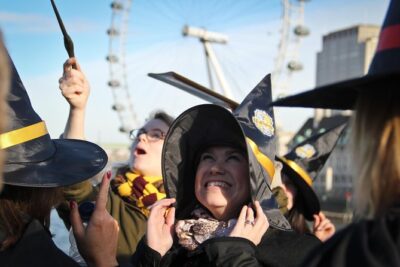
Tour for Muggles The Ultimate Harry Potter Walking Tour in London
Read our review →