
Reviewed · TICKETS
Bath: Mary Shelley’s House of Frankenstein Entrance Ticket
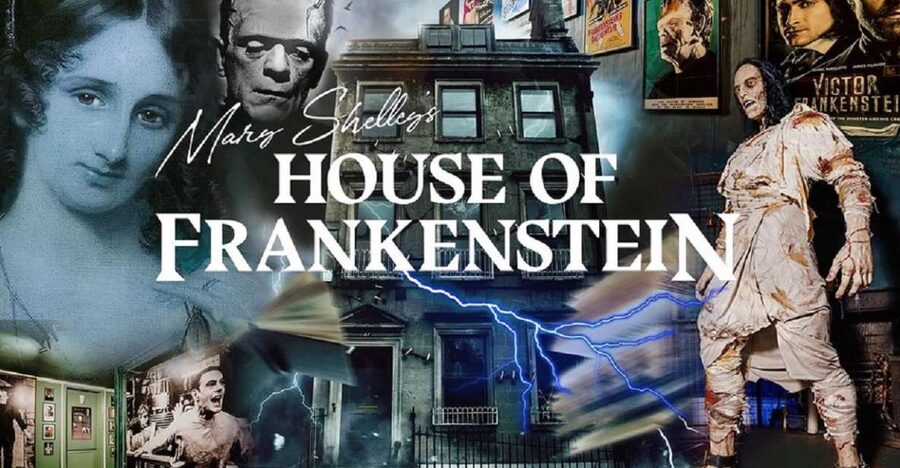
Monsters have a literary birthplace in Bath. Mary Shelley’s House of Frankenstein brings that story to life inside a Grade II listed town house, with four floors of dark rooms, sound effects, unusual smells, historical displays, film, and theatrical surprises. I especially like the clear focus on Mary Shelley’s life and the excellent 8ft animatronic Creature. The main drawback is practical: you must climb stairs, and the optional basement can be genuinely frightening.
At about 30 to 45 minutes, the main museum is short but easy to fit between Bath’s Roman Baths, Royal Crescent, and afternoon tea. I also like that you can choose your level of horror. Read the displays and watch the film upstairs, or add the basement and book one of the escape rooms for a much stronger dose of fear.
In This Review
- Key things to know before you go
- Why Frankenstein belongs in Bath
- The entrance and Mary Shelley’s early life
- Four floors and 11 atmospheric rooms
- The Creature, at full eight-foot scale
- The attic film room and Frankenstein on screen
- Popular culture and Frankenstein’s long afterlife
- The optional basement walk-through
- Escape rooms for a more active visit
- Is the $24 price fair?
- Who should visit, and who should skip it?
- How to fit it into a Bath day
- Should you book Mary Shelley’s House of Frankenstein?
- FAQ
- Where is Mary Shelley’s House of Frankenstein?
- What does the admission ticket include?
- Are the escape rooms included?
- Is the basement included?
- How long does the main visit take?
- How many floors does the museum have?
- How many themed rooms are there?
- Is the attraction suitable for children?
- Is the attraction wheelchair accessible?
- Can I cancel my booking?
Key things to know before you go
- Mary Shelley’s story comes first: The displays trace her tragic, unconventional life and the creation of Frankenstein, rather than relying only on horror props.
- Four floors fill a historic town house: You move upward through 11 themed rooms, following signs and footprints through a tightly arranged route.
- The 8ft Creature is the visual star: This animatronic recreation presents Frankenstein’s monster as Mary Shelley imagined him, not simply as the familiar flat-headed movie figure.
- The 1910 film adds real context: An attic screening room shows the first Frankenstein film, giving the story a useful link to early cinema.
- The basement is optional, and very scary: You can skip it, but brave visitors get a creepy walk-through with darkness, effects, and possibly an actor.
- Escape rooms cost extra: They are not included with standard entry, so check the price before adding one.
Why Frankenstein belongs in Bath
Bath is best known for Roman baths, Georgian architecture, and Jane Austen. Yet this city also has a strong connection with Mary Shelley. The museum presents Bath as the official birthplace of Frankenstein and explains that Shelley wrote the novel while living here in 1816.
The setting helps. This is not a modern warehouse attraction with wide corridors and bright signs. It occupies a central Grade II listed town house, so the building itself contributes to the mood. Narrow rooms, staircases, old-fashioned interiors, and low light make the museum feel more like a gothic house than a conventional exhibition.
That setting also creates limits. You are moving through a historic building, not a purpose-built museum. The route involves stairs, and the rooms can feel close and dark. If you have mobility concerns, use a wheelchair, have epilepsy, heart problems, claustrophobia, or are pregnant, this attraction is not suitable according to the stated safety guidance.
A few more trips worth a look before you book
- Walking Tour of Bath with Blue Badge Tourist Guide
★ 5.0 · 1,877 reviews - Bath: City Walking Tour with Optional Roman Baths Entry
★ 4.7 · 1,401 reviews - Bath: Guided Walking Tour
★ 4.9 · 1,198 reviews
The entrance and Mary Shelley’s early life
The visit begins when you show your booking confirmation at the entrance. English is the only stated language, and the host or greeter is English-speaking.
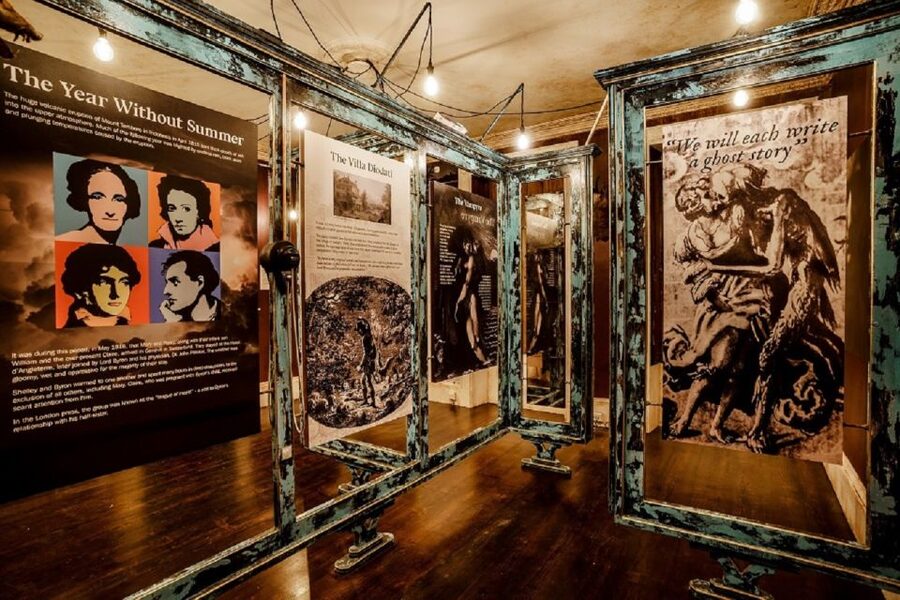
The first rooms set up Mary Shelley as a person, not just the author of one famous book. Displays cover her unconventional and tragic life, helping you understand the imagination behind Frankenstein. This section is one of the museum’s strongest features because it gives the attraction something more lasting than jump scares.
You will find written information arranged along the route, with arrows and footprints helping you follow the intended order. That matters in a compact house where it would otherwise be easy to miss a panel or turn into the wrong room.
I recommend taking your time with the text at the beginning. If you rush toward the Creature and the horror effects, you may miss the literary and personal story that gives the rest of the visit its purpose. One practical tip from the experience: the museum can be completed quickly, but a slower pace makes the historical material more rewarding.
Four floors and 11 atmospheric rooms
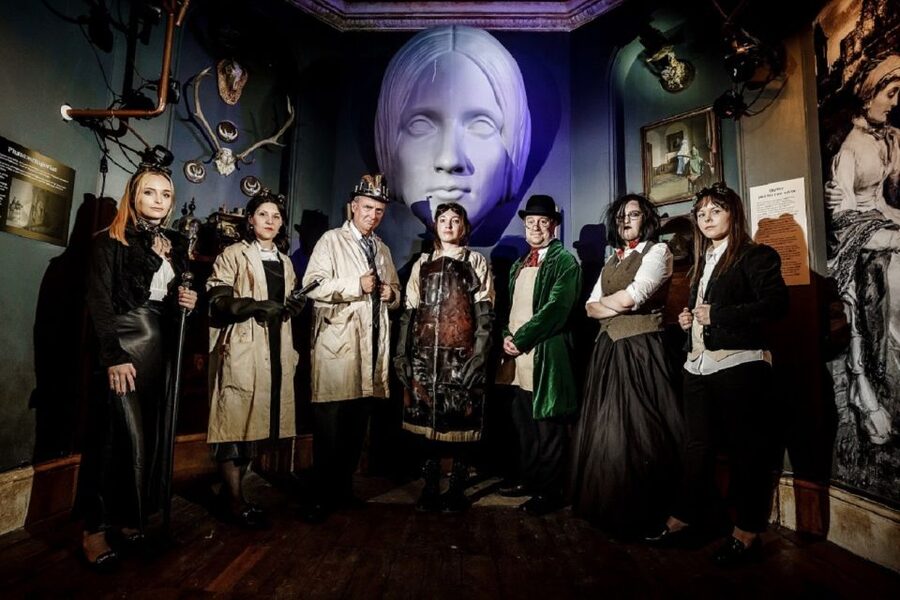
The museum is spread across four multi-sensory floors and 11 themed rooms. Each area uses decoration, music, sound effects, and bespoke smells to build a different mood. The effects are not just visual, so you should expect the atmosphere to change as you move through the building.
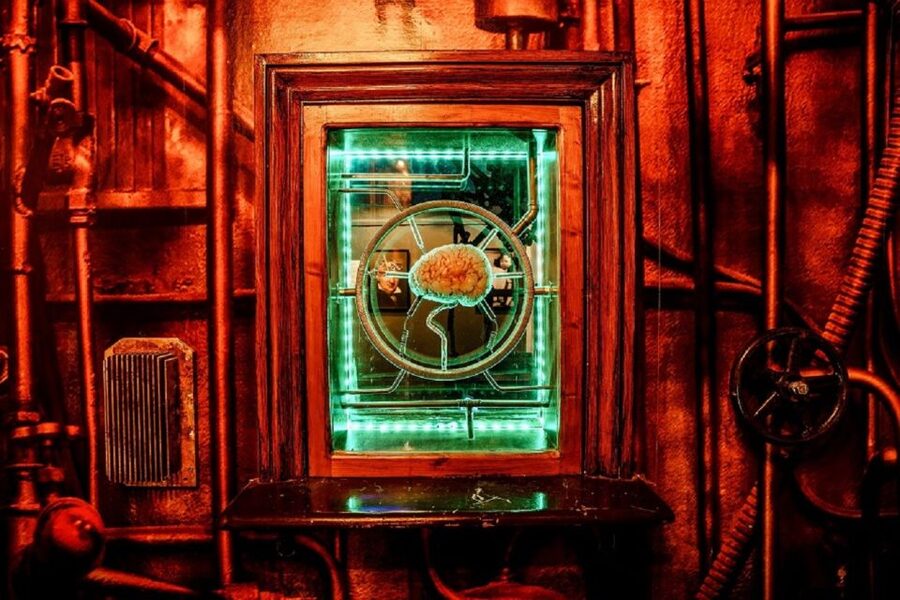
The sensory design is a major reason the attraction feels more substantial than a display of costumes and printed panels. You might hear an eerie soundtrack, encounter a deliberately unpleasant smell, or notice tactile surfaces used as part of the presentation. One particularly memorable detail is an entryway covered with a material designed to feel like human skin.
That said, the sensory approach will not suit everybody. Some people enjoy the surprise and theatricality. Others may find the darkness or sound effects too intense. You have more control than in a traditional haunted house because the main route is educational as well as frightening, but you should still expect a horror setting from the moment you enter.
The route generally takes you upward through the house. Several sections connect Mary Shelley’s biography with the development of Frankenstein, then move into the book’s long cultural afterlife. The arrangement is easy to follow, but the stairs are a real part of the visit, not a minor footnote.
The Creature, at full eight-foot scale
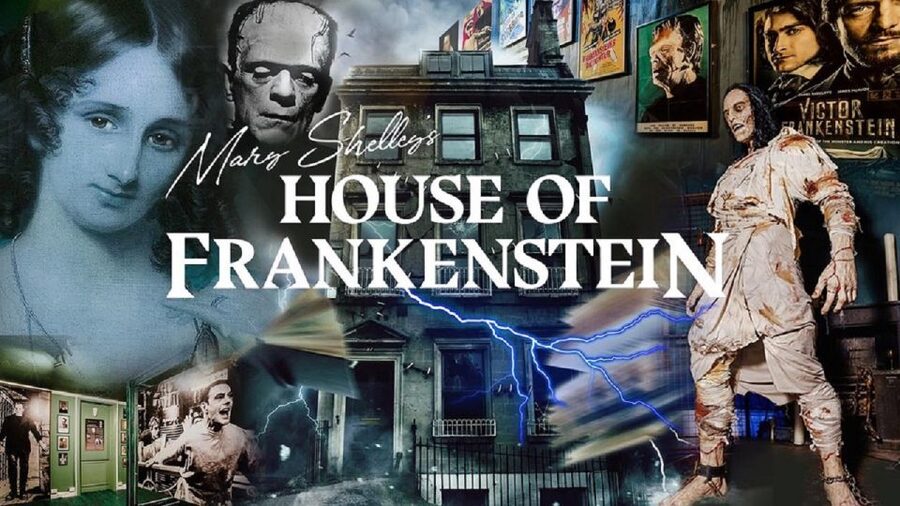
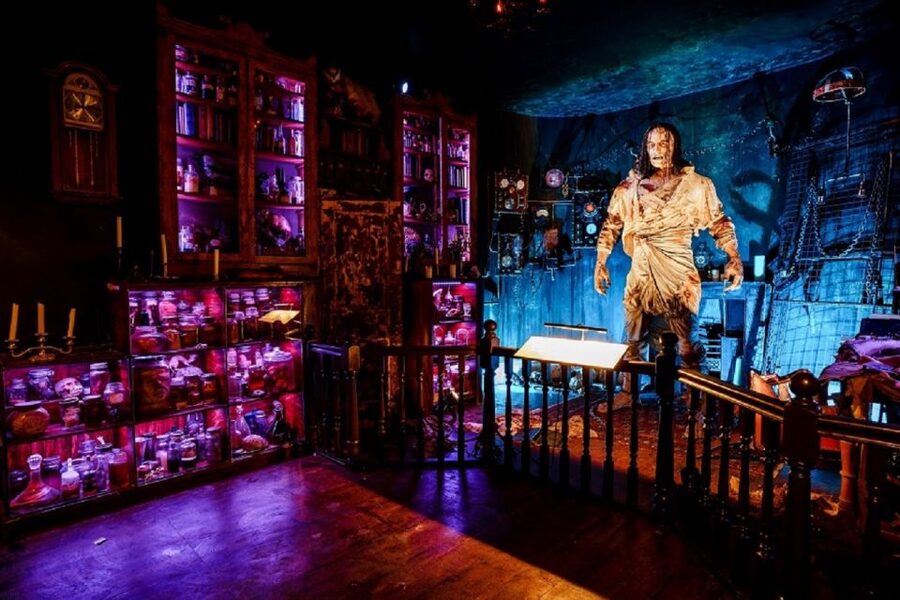
The museum’s biggest visual moment is its 8ft animatronic recreation of Frankenstein’s Creature. It is designed around Mary Shelley’s original conception, which is useful because many people know the monster mainly through later film versions.
The scale makes a difference. An eight-foot figure gives you a stronger sense of the physical presence described in the novel, while the movement adds a theatrical jolt. This is the display most likely to stay in your memory after leaving.
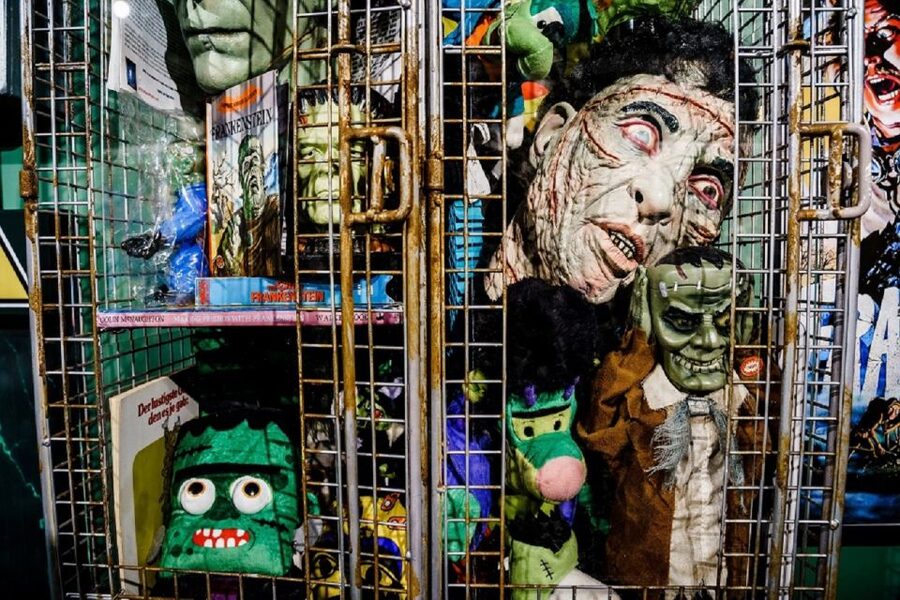
The Creature also helps the museum bridge literature and popular culture. Frankenstein has been reshaped by stage shows, films, television, comics, toys, and Halloween traditions. Here, you can see how the original literary figure became a global horror icon.
I would not expect a quiet literary exhibition. The animatronic display, sound, smells, and dark interiors are designed to provoke a reaction. If you want a detailed academic study of the novel, the written information may feel limited. If you want a lively introduction to Shelley’s work with a strong visual center, it works well.
A different sort of outing around Bath:
- Bath: Guided Ghost Tour
★ 4.8 · 1,036 reviews - Stonehenge, Avebury & the Cotswolds from Bath (Small group)
★ 5.0 · 798 reviews - Roman Baths and Bath City Walking Tour
★ 4.5 · 762 reviews - From Bath: Stonehenge & the Cotswolds Day Tour with Entry
★ 4.8 · 543 reviews
The attic film room and Frankenstein on screen
An intimate screening room in the attic shows the first Frankenstein film from 1910. The black-and-white projection gives the upper floor a different character from the darker display rooms below.
This is a valuable stop because it shows how quickly Frankenstein moved beyond the printed page. You can connect Shelley’s original story with the early cinema tradition that helped shape the modern image of the monster.
The film room also provides a useful pause in the route. After the sound effects and theatrical displays, sitting down for a short screening gives you time to absorb the story. The room is small and atmospheric rather than a large cinema, so do not expect a long film program or a full cinema presentation.
For me, this is one of the best parts for visitors who are interested in books, film, or cultural history. It is also a good section for anyone who wants something more thoughtful than scares.
Popular culture and Frankenstein’s long afterlife
Dedicated rooms explore Frankenstein in popular culture. This part moves beyond Mary Shelley’s original life and book to show how the Creature took on a life of his own.
The idea is important. Frankenstein is not only a novel from 1818 or a monster from old films. It has become a worldwide symbol of scientific ambition, fear, loneliness, and the danger of creating something you cannot control.
The museum presents that legacy through atmospheric exhibits and unusual artefacts. Exact details vary by room, but you can expect a mixture of historical information, visual displays, and horror styling rather than a formal archive.
This section works best if you already know a little about Frankenstein and want to see how popular culture changed the story. It also helps younger visitors understand why the figure remains familiar more than two centuries after Shelley wrote the novel.
The optional basement walk-through
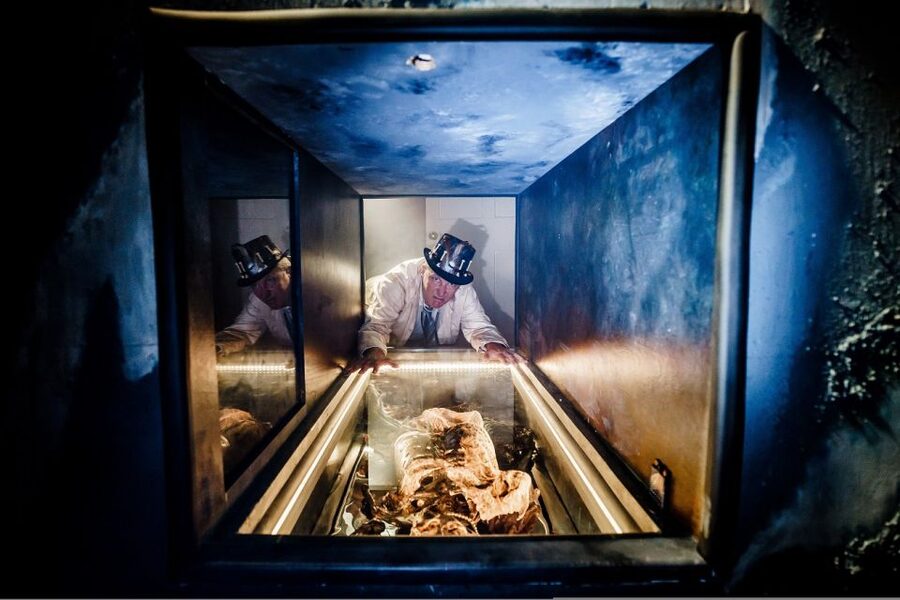
The basement is the part you should consider carefully. It is optional, and the museum describes it as a creepy walk-through experience. The darkness, effects, and close quarters make it much more like a haunted attraction than a museum display.
Some visitors find the basement the highlight of the entire visit. An actor may be involved, and the theatrical scares can be intense enough to make people scream. Others enter, stay only a couple of minutes, and return upstairs because it is simply too frightening.
That range of reactions tells you what to expect. This is not a gentle atmospheric cellar. If you dislike haunted houses, darkness, or sudden scares, skip it without guilt. You will still receive the main museum experience.
If you enjoy horror, the basement may be worth adding. It gives the visit a stronger ending and changes the tone from historical exhibition to live fright attraction. Keep in mind that the same restrictions apply: it is not suitable for people with claustrophobia, heart problems, epilepsy, or certain other health and mobility concerns.
Escape rooms for a more active visit
The house also offers two themed escape rooms. These are separate from standard admission, so you need to book and pay for them as additional activities.
The escape rooms are a good choice if you want to solve puzzles rather than simply follow the museum route. They also make sense for friends, couples, or small groups looking for a shared challenge after seeing the exhibits.
Do not assume the basic ticket includes them. If the escape room is the main reason you are visiting, check availability and pricing before you arrive. The standard admission gives you access to Mary Shelley’s House of Frankenstein, while the extra games require a separate arrangement.
Is the $24 price fair?
At $24 per person, the ticket is not the cheapest short attraction in Bath. The main route can take only 30 to 45 minutes, depending on how quickly you read and how long you spend in each room.
Still, I think the price can work if you value the full package: a historic town house, Mary Shelley’s biography, 11 themed rooms, the 1910 film, the large animatronic Creature, and the atmospheric effects. It is also a useful rainy-day stop, especially since it sits in central Bath and does not require a major time commitment.
The value improves if you add the basement and spend longer reading the displays. The escape rooms may also make the outing feel more worthwhile, but remember they cost extra.
For a short visit focused only on printed information, $24 may feel high. For a compact theatrical attraction with literary content and optional horror, it is reasonable. The strong rating of 4.5 from 126 reviews supports the view that most people find the experience worthwhile, but the duration remains the main value question.
Who should visit, and who should skip it?
I would recommend this attraction to:
- Adults and young people aged 12 and over who enjoy gothic literature or horror
- Visitors interested in Mary Shelley’s life and Frankenstein’s cultural impact
- Anyone looking for an indoor activity on a rainy Bath day
- Couples and friends who want to add an escape room
- Fans of film history, especially early cinema
- People who enjoy haunted-house effects but want the option to stop before the basement
I would think twice if you dislike darkness, smells, sound effects, or theatrical scares. The attraction is also not suitable for children under 12, pregnant women, wheelchair users, people with mobility impairments, people with epilepsy, people with heart problems, or people with claustrophobia.
Because opening hours can change, check the current schedule before setting out. Food, drinks, and smoking are not allowed inside.
How to fit it into a Bath day
The museum works best as a short side stop rather than the only attraction of your day. You can spend the morning at Bath’s major sights, visit the House of Frankenstein for under an hour, then continue to the nearby Jane Austen experience or another central attraction.
The contrast with the Jane Austen attraction is useful. Austen offers Bath’s gentler literary side, while Shelley brings tragedy, science, fear, and gothic drama. If you are visiting with a mixed group, splitting up for the basement may be a sensible plan.
The ticket is valid for 10 days, with starting times subject to availability. That gives you some flexibility if you are staying in Bath for several nights, though you should still check the available time before planning the rest of your day.
Should you book Mary Shelley’s House of Frankenstein?
Book it if you want an atmospheric, compact attraction that combines literary history with horror. The Mary Shelley displays, attic film, animatronic Creature, and themed rooms give you more than a simple haunted house. The optional basement lets you decide how frightening the visit becomes.
Skip it if you need step-free access, dislike close dark spaces, or want a long museum visit for your admission price. You should also avoid it if the listed health restrictions apply to you.
For most fans of Frankenstein, gothic stories, and unusual Bath attractions, I think the ticket is worth considering. Go for the main museum, read the biographical displays, stay for the film, and treat the basement as an optional extra. That way, you get the story even if you decide the cellar is one monster too many.
FAQ
Where is Mary Shelley’s House of Frankenstein?
It is located in central Bath in South West England, inside a Grade II listed town house.
What does the admission ticket include?
The ticket includes entry to Mary Shelley’s House of Frankenstein.
Are the escape rooms included?
No. The two themed escape rooms are additional activities and are not included in standard admission.
Is the basement included?
The basement is described as an optional creepy walk-through experience. The supplied information does not state whether an additional charge applies, so check when booking.
How long does the main visit take?
The main museum commonly takes about 30 to 45 minutes, depending on how long you spend reading and viewing the displays. Some people spend longer when adding optional experiences.
How many floors does the museum have?
The museum has four multi-sensory floors arranged inside the historic town house.
How many themed rooms are there?
There are 11 atmospherically themed rooms, with soundscapes, aromas, and other effects.
Is the attraction suitable for children?
It is not suitable for children under 12. The basement and horror effects may also be too intense for some older children.
Is the attraction wheelchair accessible?
No. The experience is not suitable for wheelchair users or people with mobility impairments, and the route requires climbing stairs.
Can I cancel my booking?
You can cancel up to 24 hours in advance for a full refund. Reserve-now, pay-later booking is also available, subject to the booking terms.
Recently added around Bath
- Roman Baths Entry and Walking Tour with Blue Badge Tour Guide★ 5.0 · 58 reviews
- Discover Bath and Bridgerton with Music★ 4.6 · 64 reviews
- BATH: Private Walking Tour | Blue Badge Guide, 2h, £225 per group★ 5.0 · 66 reviews
- Exceptional Bath tour guide making your visit splendidly memorable.★ 4.5 · 69 reviews
- Jane Austen’s Bath And History Trail★ 5.0 · 77 reviews
- The ‘Hidden Cotswolds’ Shared Tour from Bath for 2-8 people★ 5.0 · 83 reviews
- BATH: 2-Hour Bath Walking Tour of Bridgerton Filming Locations★ 5.0 · 99 reviews
- Bath: Guided Relaxation and Sound Bath★ 4.8 · 108 reviews
Tickets, compared.

Buckingham Palace: The State Rooms Entrance Ticket
Read our review →

Tower of London and Crown Jewels Exhibition Ticket
Read our review →Browse the lists this tour appears in