
Reviewed · HISTORICAL TOURS
Jane Austen’s Bath And History Trail
Bath rewards slow walking. This tour links Jane Austen’s former homes with the city’s finest Georgian streets, Roman remains, and Bath Abbey. I like the small group size of up to 10 and the way guide Ulrich Wenske mixes Austen facts with architecture and local stories. The main drawback is the amount of walking, including uphill stretches and some steep steps.
You meet at Pulteney Bridge, not at the Jane Austen Centre. That detail matters, since one person missed the tour after going to the wrong place. I also like that the visit to the Jane Austen Centre and its bookshop is included, though its fuller museum tour costs extra. At $40.24 per person for about two and a half hours, this is a fair introduction to Bath, but museum admission is not covered.
In This Review
- Key points to know before you book
- Why this Bath walk works so well
- Starting at Pulteney Bridge and Great Pulteney Street
- The Jane Austen Centre and Austen’s Regency Bath
- No. 1 Royal Crescent and the grand Georgian ideal
- Bath Abbey, royal coronations, and the city’s medieval center
- Thermal springs, the Pump Room, and Northanger Abbey
- No. 13 and the short Austen residence
- The Circus and Bath’s most playful architecture
- Assembly Rooms and the social world Austen watched
- Price, group size, and the real value
- Walking demands and who should book
- Should you book Jane Austen’s Bath and History Trail?
- FAQ
- Where does the tour begin?
- Does the tour end at the starting point?
- Is admission to the Jane Austen Centre included?
- Are museum admission fees included?
- How long does the tour last?
- How much walking is involved?
Key points to know before you book
- Pulteney Bridge is the meeting point: Find the Pulteney Bridge Coffee Shop at 17 Pulteney Bridge, not the Jane Austen Centre.
- Jane Austen is only part of the story: You also learn about Bath Abbey, Roman Bath, Georgian planning, grand houses, and the city’s social life.
- No. 4 Sydney Place matters: A plaque marks Austen’s first Bath home, and you see it without paying an admission fee.
- The Jane Austen Centre visit is limited: Entry and the bookshop are included, but the internal guided museum tour is separate.
- Expect a walking tour, not a gentle city shuttle: Wear comfortable shoes, bring water, and prepare for hills and steps.
- Ulrich Wenske leads the experience: His English or German commentary includes Austen, architecture, local history, and occasional personal stories.
Why this Bath walk works so well
Bath can feel confusing at first. Its Roman core, medieval Abbey, Georgian crescents, modern shops, and steep streets all sit close together, but the connections are not always clear. This walk helps you make sense of the city while placing Austen’s short periods here into the wider story.
I like the balance. You are not simply taken from one Austen plaque to another. You hear why Bath grew as a spa town, how wealthy Georgian society used its public rooms, and how architects planned spaces such as the Circus and Great Pulteney Street.
Austen lived in Bath for only part of her life, yet the city shaped her work. Her observations of money, marriage, social rules, fashion, and public behavior fit naturally with Bath’s grand streets and formal meeting places. The tour uses that setting well, especially around the Assembly Rooms, Pump Room, and sites linked with Northanger Abbey.
The experience lasts about 2 hours and 30 minutes, though one account puts the actual walk closer to two hours. Allow some flexibility. The pace is generally slow, with time for questions, but there is a fair amount of ground to cover.
More History Tours:
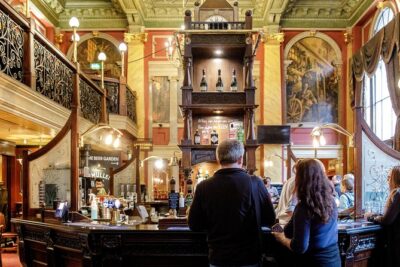
- London Small Group Tour of Historical Pubs
★ 5.0 · 10,422 reviews - A History of Terror – Belfast City Centre Walking Tour
★ 5.0 · 2,883 reviews - Old Town Walking Tour History and Tales in Edinburgh
★ 5.0 · 2,168 reviews
Starting at Pulteney Bridge and Great Pulteney Street
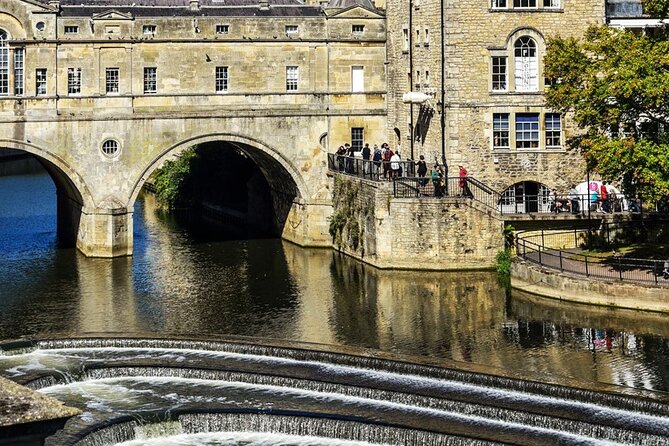
Your starting point is Pulteney Bridge, one of Bath’s most recognizable sights. It was designed in 1769 and modeled after Florence’s Ponte Vecchio, with shops built along both sides. The bridge is not just a crossing. It frames the River Avon and gives you an immediate sense of Bath’s ambitious Georgian planning.
From there, the route continues along Argyle Street toward Laura Place and Great Pulteney Street. This is one of the strongest early sections because the architecture becomes the subject, not just the background.
Great Pulteney Street is lined with grand town houses and leads toward the Holburne Museum of Art. You hear about notable residents from the 18th and 19th centuries and see how this broad avenue expressed wealth and order. The tour does not include museum admission, but the building is visible from the route.
The walk can continue along Pulteney Street toward the museum, where you see No. 4 Sydney Place. A plaque marks Jane Austen’s first dwelling in Bath. You do not enter the house, but the address gives Austen’s Bath story a real physical anchor.
This first section takes about 20 minutes. It is an easy place to get your bearings, but keep your eyes on the meeting details before setting out. The start is roughly a 20-minute walk from the Jane Austen Centre, and the two locations are not interchangeable.
The Jane Austen Centre and Austen’s Regency Bath
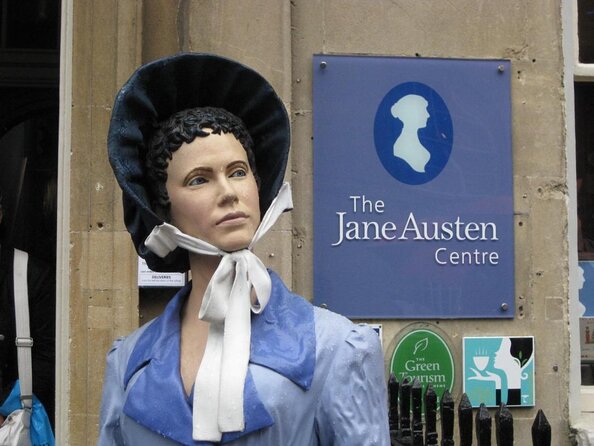
The Jane Austen Centre offers a short look at Regency life and Austen’s connection to Bath. Entry to the centre and a visit to the bookshop are included in this experience. The internal museum tour with its own guides is not included, so you should think of this as an introductory visit rather than a full museum program.
That distinction is useful. If you are a serious Austen fan, you may want to return later and book the centre’s complete tour separately. If you mainly want context during a city walk, the included visit gives you enough to connect the author with Bath’s social world without adding another major stop to the schedule.
The centre works best after seeing No. 4 Sydney Place. You have already encountered one of Austen’s former homes, so the displays feel less abstract. The tour then explains how living in Bath affected her life and writing.
The stop lasts about 20 minutes. That is enough for a snapshot, but not enough for a long museum visit. You may want to protect extra time before or after the walk if the displays and bookshop are a priority.
No. 1 Royal Crescent and the grand Georgian ideal
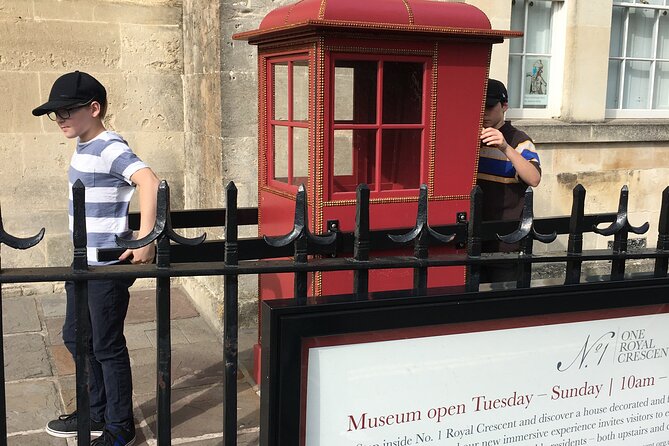
No. 1 Royal Crescent is one of Bath’s most photographed buildings. The crescent contains 30 terraced houses joined by giant Ionic columns, creating one of the clearest images of Georgian Bath.
You stop outside and learn why this building mattered. The enormous curve, repeated windows, and classical columns were designed to impress from a distance. It is easy to focus only on the view, but the guide’s explanation helps you read the building as a statement about status and taste.
No. 1 is also a museum showing how one of these houses looked inside. Admission is not included. I see this as a sensible arrangement for a short walking tour, since not every visitor wants to spend time inside a period house. If you do, plan for a separate ticket and additional time.
The stop takes about 15 minutes. It is short, visual, and useful for understanding the world Austen observed. You see the public face of Georgian wealth, while later stops explain how that society met, danced, and displayed itself.
A few more trips worth a look before you book
- Walking Tour of Bath with Blue Badge Tourist Guide
★ 5.0 · 1,877 reviews - Bath: City Walking Tour with Optional Roman Baths Entry
★ 4.7 · 1,401 reviews - Bath: Guided Walking Tour
★ 4.9 · 1,198 reviews - Bath: Guided Ghost Tour
★ 4.8 · 1,036 reviews
Bath Abbey, royal coronations, and the city’s medieval center
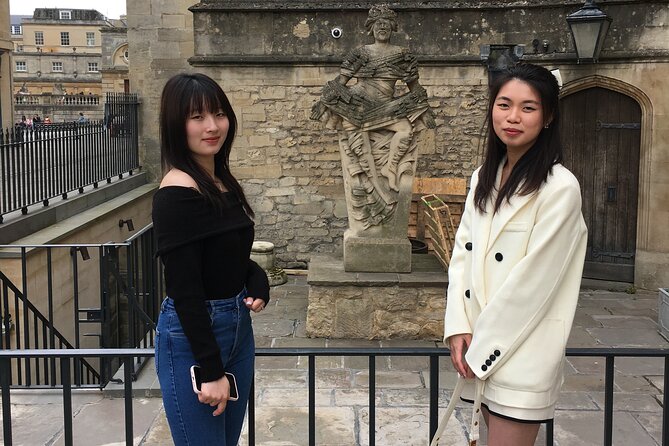
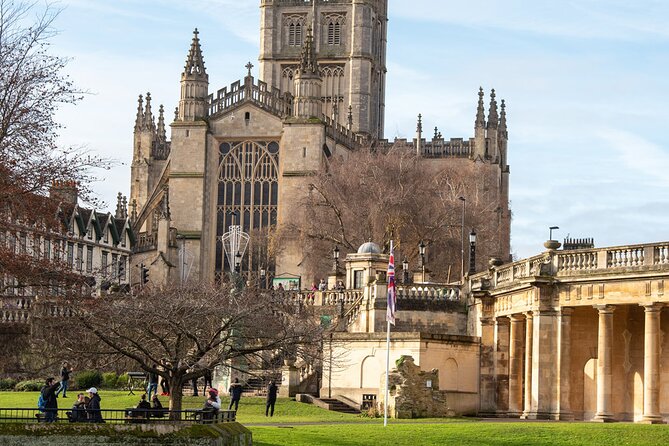
Bath Abbey brings a very different mood. The building began as a grand medieval cathedral in the early 12th century. Restoration began under Bishop Oliver King in 1499, and completion took place under Elizabeth I in 1611.
The Abbey is known for memorials and wall plaques, and the tour explains its links with English history. One detail is especially notable: Edgar I was crowned here in 977, an event associated with the first coronation of a king of England.
You can visit the Abbey interior, but admission is not included in the tour price. That is important because the exterior explanation and the interior visit are separate parts of your day. If you want to study the memorials and architecture at length, allow more time than the roughly 20-minute stop.
I like this section because it prevents the tour from becoming a narrow literary walk. Austen lived in the Georgian period, but Bath’s story reaches back centuries. The Abbey, Roman remains, and Georgian streets are close together, and seeing them in one route shows how many different eras shaped the city.
Thermal springs, the Pump Room, and Northanger Abbey
Bath’s identity rests on its hot springs. The route explains the Hetling Spring, Cross Spring, and King’s Spring, whose origins are described as reaching back 10,000 years.
The experience also points out the modern rooftop pool with water at about 35 degrees Celsius. It is described as the only place in Britain where you can swim in natural thermal water, and the pool is open in summer and winter. Swimming is not part of this walking tour, so treat it as a possible separate activity.
The Roman Baths nearby date from the 1st century AD and include the temple of Sulis Minerva and ancient pools. An audio tour is recommended separately, either before or after the walk. Entry is not included.
Next door, the Pump Room recalls Bath’s Georgian golden age. This was where fashionable society gathered for balls, tea, and the practice of taking the waters. The location has a direct literary connection: Catherine and Isabelle meet here in Austen’s Northanger Abbey.
This part of the route is valuable because it connects real places with Austen’s fiction. You are not merely hearing that Bath influenced her. You can see the social spaces that supplied the setting for her observations and scenes.
No. 13 and the short Austen residence
The route also discusses Jane Austen’s brief stay at No. 13 in 1799. This is a smaller detail, but it helps fill out the story.
Austen’s Bath years were not one long residence in a single house. She and her family moved, stayed for limited periods, and experienced the city as a place of family life, social activity, and changing circumstances. Seeing several addresses makes that clear.
This stop may appeal most to readers who already know Austen’s biography. For someone new to her life, it gives a useful reminder that literary connections are often scattered across ordinary streets rather than marked by grand museums.
The Circus and Bath’s most playful architecture
The Circus is one of the best parts of the walk. Work began in 1754, and the John Wood architects designed the circular space with inspiration from prehistoric stone circles and the Colosseum in Rome.
The surrounding houses form a complete architectural composition. The repeated facades create order, but the design is not dull. The guide explains what makes the site unusual, including the planning behind its shape and decoration.
There is also a playful detail here. The trees in the center produce an echo effect that can be tried during the visit. It is a small moment, but it breaks up the architectural explanation and gives you something to experience rather than simply observe.
The Circus stop takes about 20 minutes and was one of the most praised parts of the experience. The architectural story is clear, memorable, and easy to understand even if you do not usually care about building styles.
Assembly Rooms and the social world Austen watched
The Assembly Rooms show how Georgian Bath’s fashionable society spent its time. The complex includes grand ballrooms, the Octagon, a card room, and a tea room. These spaces still host events.
The tour explains how people gathered, danced, played cards, drank tea, and presented themselves in public. That social machinery is central to Austen’s novels. A Bath walk that skips this setting would miss much of the reason the city mattered to her writing.
Admission is not included. You can still understand the role of the building from the outside, but entering gives you a better sense of its scale and decoration. I would choose the paid visit if Austen or Georgian social history is your main reason for coming to Bath.
The stop lasts about 15 minutes. It is a brief introduction, not a full inspection of every room, so consider visiting separately if you want more time indoors.
Price, group size, and the real value
At $40.24 per person, the tour offers a useful amount of guiding for a half-day activity. The price covers the walk, the English or German guide, and entry to the Jane Austen Centre, including the bookshop. It does not cover No. 1 Royal Crescent, the Roman Baths, the Assembly Rooms, Bath Abbey, or the Jane Austen Centre’s internal guided tour.
That makes the value strongest for someone who wants orientation and context. You see the major Austen locations and many of Bath’s main sights in one route, then decide which paid attractions deserve more of your time and money.
The group limit is 10 people. That is small enough for questions and conversation, and the guide has sometimes led a walk for only one person. Ulrich Wenske is described as friendly, accommodating, and willing to answer questions. He also adapts when needed, including offering shelter or a virtual option during poor weather, at the group’s choice.
His German accent may take a little adjustment for some listeners. One person found parts of the talk difficult to hear and felt the guide moved on quickly at times. If you have hearing concerns, stay close to the guide and ask him to repeat important points.
The tour requires good weather. If conditions cause cancellation, you are offered another date or a full refund. You can cancel for a full refund up to 24 hours before the start time. After that, refunds and changes are not accepted.
Walking demands and who should book
Wear comfortable shoes. You cover a lot of ground, and the route includes uphill sections and some steep steps. Bring water, especially if you plan to continue sightseeing afterward.
The pace is generally unhurried, with time for questions and conversation. Still, this is not the right choice if you want to avoid walking or need every stop to be indoors. The experience moves through public streets and open spaces, so rain can affect the day.
I would recommend it to:
- First-time visitors who want to understand Bath quickly
- Austen readers who want to connect her novels with real places
- Visitors interested in architecture, Georgian society, and local history
- People who prefer a small group and an interactive guide
- Anyone deciding which museums to visit after getting an overview
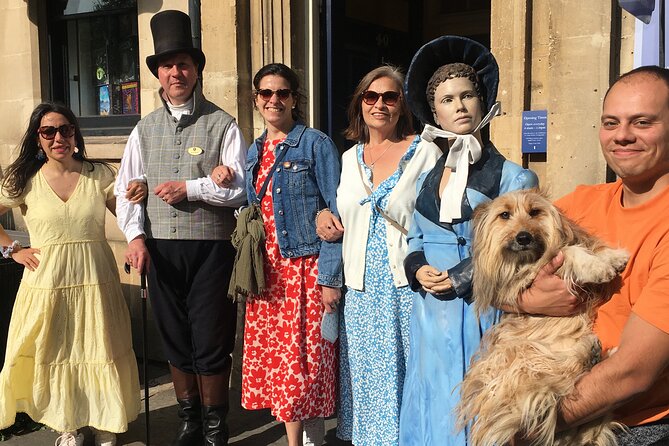
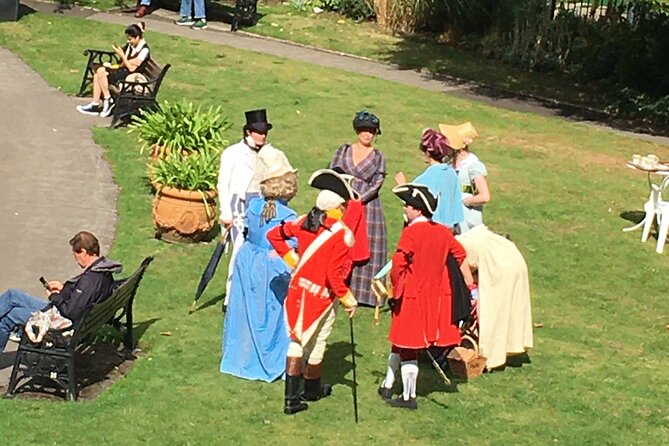
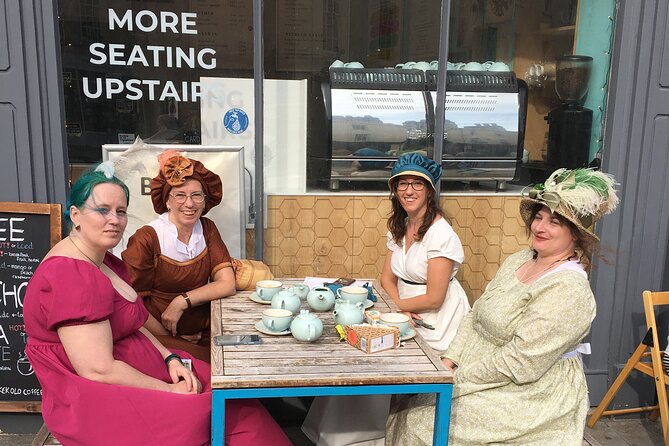
It may disappoint you if you expect a costumed Austen performance. One person hoped for a period-dressed guide and found the actual presentation did not match that expectation. This is a fact-focused walking tour led by Ulrich, not historical theater.
Should you book Jane Austen’s Bath and History Trail?
I would book this tour if you want Jane Austen, architecture, and Bath’s major sights in one well-planned walk. Its strongest feature is the mix: No. 4 Sydney Place and No. 13 give you Austen’s addresses, while the Circus, Assembly Rooms, Abbey, Roman Baths area, and Pulteney Bridge explain the city around her.
Book it early if your dates are fixed, since it is often reserved well ahead of time. Confirm the meeting point at Pulteney Bridge Coffee Shop, 17 Pulteney Bridge, and arrive ready to walk.
For the best value, treat the tour as your Bath orientation. Then return to the Roman Baths, No. 1 Royal Crescent, Bath Abbey, Assembly Rooms, or the Jane Austen Centre for the paid visits that match your interests. At $40.24, that combination gives you both a guided introduction and freedom to choose where to spend extra money.
FAQ
Where does the tour begin?
The tour begins at the Pulteney Bridge Coffee Shop, 17 Pulteney Bridge, Bath BA2 4AY, UK.
Does the tour end at the starting point?
Yes. The activity ends back at the meeting point.
Is admission to the Jane Austen Centre included?
Entry to the Jane Austen Centre and a visit to its bookshop are included. The centre’s internal guided tour is not included and can be booked separately.
Are museum admission fees included?
No. Admission to museums and sites such as No. 1 Royal Crescent is not included. The Roman Baths audio tour is also recommended as a separate booking.
How long does the tour last?
The scheduled duration is approximately 2 hours and 30 minutes. One account describes the walk as lasting about two hours, so allow flexibility.
How much walking is involved?
There is a fair amount of walking, including uphill sections and some steep steps. Comfortable shoes and water are recommended.
Recently added around Bath
- Roman Baths Entry and Walking Tour with Blue Badge Tour Guide★ 5.0 · 58 reviews
- Discover Bath and Bridgerton with Music★ 4.6 · 64 reviews
- BATH: Private Walking Tour | Blue Badge Guide, 2h, £225 per group★ 5.0 · 66 reviews
- Exceptional Bath tour guide making your visit splendidly memorable.★ 4.5 · 69 reviews
- The ‘Hidden Cotswolds’ Shared Tour from Bath for 2-8 people★ 5.0 · 83 reviews
- BATH: 2-Hour Bath Walking Tour of Bridgerton Filming Locations★ 5.0 · 99 reviews
- Bath: Guided Relaxation and Sound Bath★ 4.8 · 108 reviews
- Bath: Mary Shelley’s House of Frankenstein Entrance Ticket★ 4.5 · 126 reviews
Historical Tours, compared.
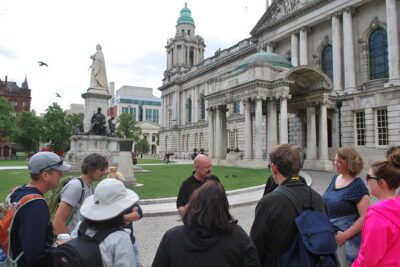
A History of Terror – Belfast City Centre Walking Tour
Read our review →
Old Town Walking Tour History and Tales in Edinburgh
Read our review →

Shadows of York: Ghost Walk and Horrible History.
Read our review →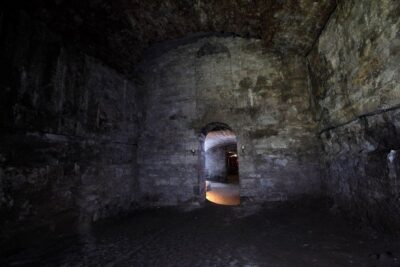
Multi-Sensory Small-Group Historic Vaults Tour in Edinburgh
Read our review →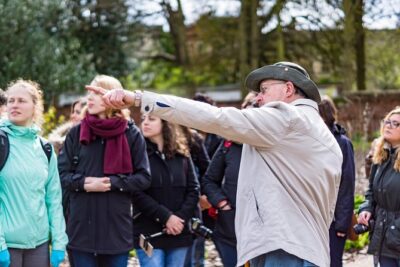
Browse the lists this tour appears in