
Reviewed · MUSEUMS
London Transport Museum Entrance Ticket
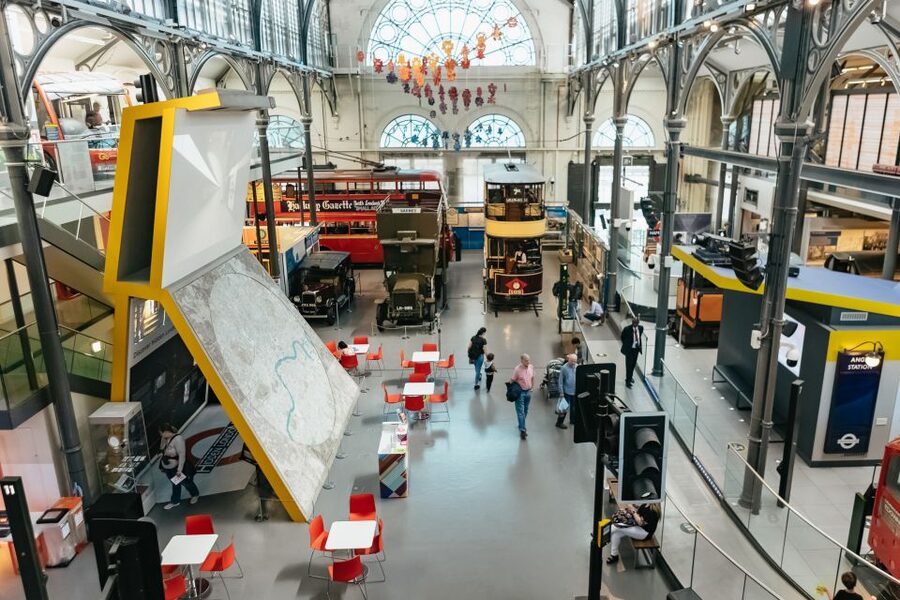
London’s transport story is London’s story. At the London Transport Museum in Covent Garden, old buses, trains, maps, posters, and hands-on displays show how a growing capital became the city you see today. I especially like the world’s first underground steam train and the chance to explore the ideas behind London’s famous transport brand. The main drawback is noise and crowding, particularly on weekends and during school holidays.
I also like how the museum works for mixed-age groups. A two-year-old can play, an eight-year-old can operate interactive equipment, and an adult can study the design of the Tube map or remember the buses of earlier decades. At $33 per person, it is not a cheap quick stop, but the full-day admission gives you time to take it at your own pace.
In This Review
- Key things to know before you go
- Why London Transport Museum tells London’s story
- Entering through London’s transport past
- From the Underground map to the bullseye logo
- The Global Poster Gallery and How to Make a Poster
- Driving an Elizabeth line train in the Future Engineer’s simulation
- A family museum that adults can enjoy
- How long should you allow?
- Is the $33 ticket good value?
- Booking, arrival, and practical advice
- Who will get the most from this museum?
- Should you book the London Transport Museum?
- FAQ
- Where is the London Transport Museum?
- How long does admission last?
- What time should I arrive?
- What is included with the ticket?
- Can I see the first underground railway?
- Is there anything interactive for children?
- Is the museum wheelchair accessible?
- Can I bring luggage or a large bag?
- Can I cancel my ticket?
Key things to know before you go
- The exhibits connect transport with London’s growth, from horse-drawn buses to the Underground and modern rail.
- Historic vehicles are the main draw, including early buses, trams, underground trains, and the world’s first underground steam train.
- Interactive displays keep children occupied, with train-driving activities, rail equipment, puzzles, play areas, and the Future Engineer’s Elizabeth line simulation.
- The Global Poster Gallery is included, with more than 100 poster artworks and a permanent look at commercial poster design.
- Plan for at least 1 to 1.5 hours, but allow 3 to 4 hours if you want to read closely and try the activities.
- It is easy to reach in Covent Garden, but large bags and luggage are not allowed inside.
Why London Transport Museum tells London’s story
It is easy to think of the Tube as a collection of lines on a map. This museum helps you see it as the framework that allowed London to expand, work, and change.
The displays trace transport from horse-drawn buses through trams, steam railways, electric Tube trains, and modern rail. You are not simply looking at machines. You are seeing how each new form of transport altered daily life and helped connect parts of the capital.
That social history gives the museum more weight than a vehicle collection alone. London’s transport system shaped where people lived, how they reached work, and how the city developed. The museum keeps returning to that link, so the exhibits feel connected rather than scattered.
The setting helps. The museum is in the heart of Covent Garden, a lively part of central London with shops, restaurants, theatres, and the piazza nearby. You can pair the visit with a walk through Covent Garden, though the museum itself is substantial enough to deserve more than a quick look around.
More Museum Visits in London
- Tower of London and Crown Jewels Exhibition Ticket
★ 4.5 · 6,677 reviews - London: Chelsea Football Club Stadium and Museum Tour
★ 4.8 · 4,576 reviews - Chelsea FC Stadium Tours and Museum
★ 5.0 · 1,908 reviews
Entering through London’s transport past
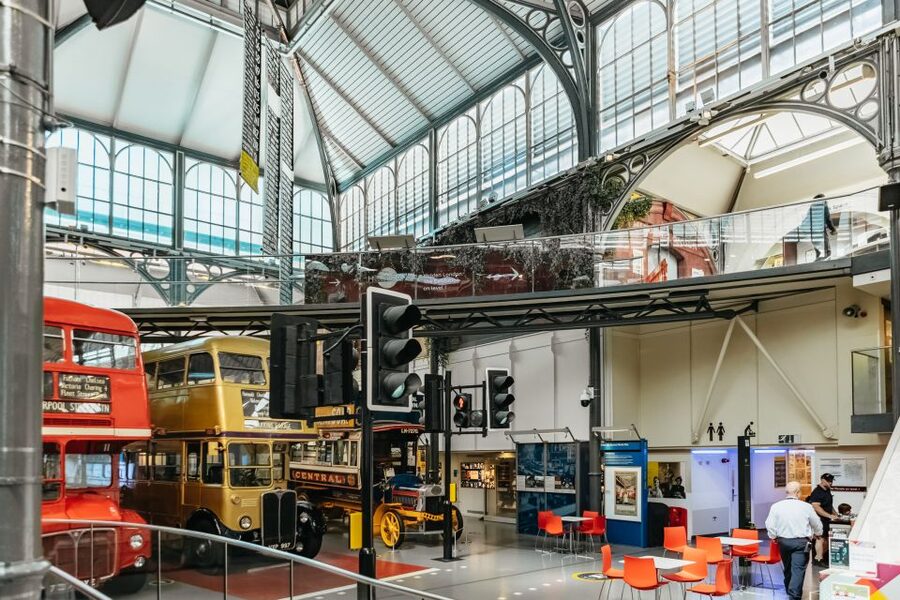
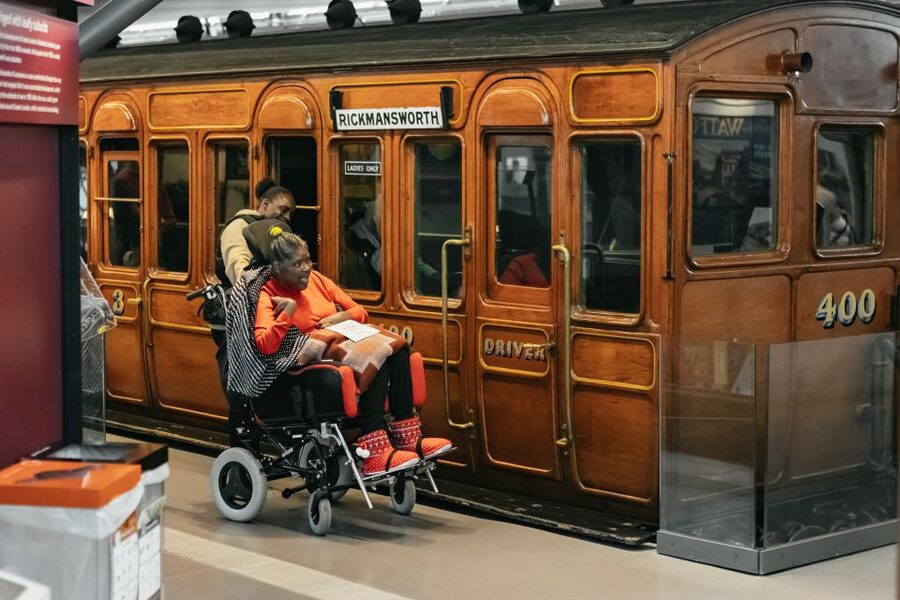
The museum’s large vehicles make an immediate impression. You will see buses, trams, and railway vehicles from different periods, with displays that explain how they were used and how their designs changed.
The older vehicles help you picture an earlier London. Horse-drawn buses show the city before motor traffic took over. Later exhibits reveal the move toward electric railways and the growing need for fast transport beneath crowded streets.
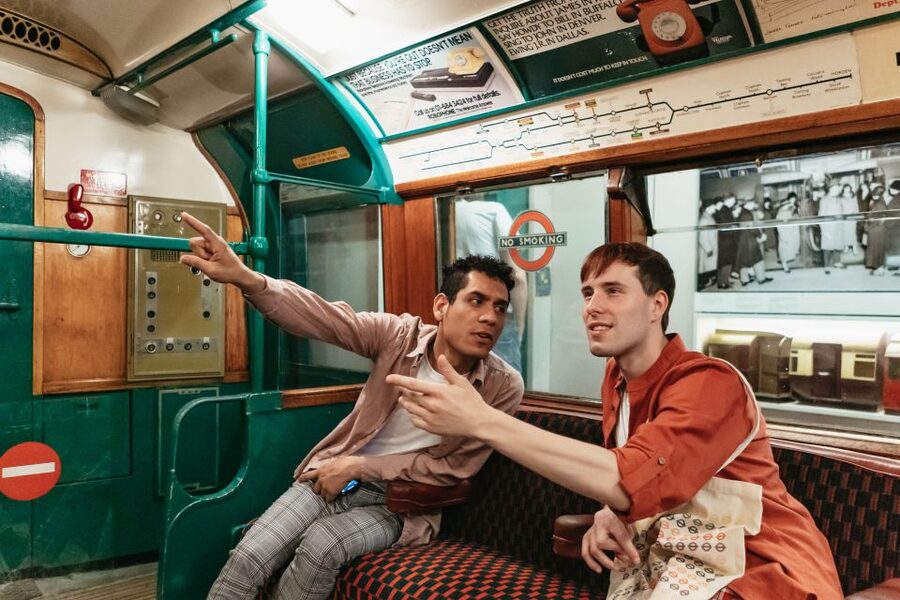
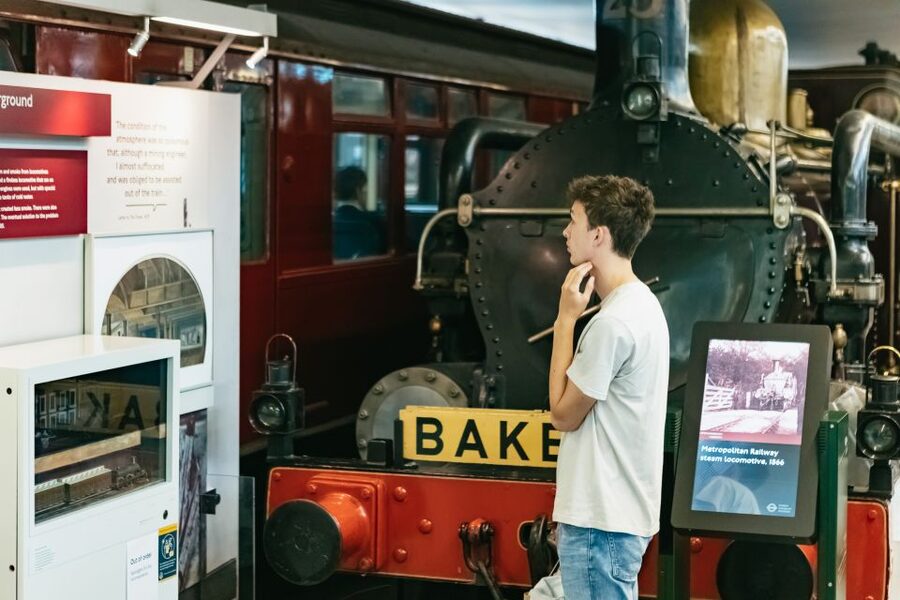
The world’s first underground steam train is one of the essential stops. It represents the bold, difficult beginning of underground travel. Early underground railways faced engineering problems that are easy to forget when you step onto a modern Tube train, and this exhibit gives those beginnings a physical presence.
The electric Tube railway tells the next part of the story. Electric trains made underground travel more practical and helped create the network London still depends on. The contrast between early steam technology and electric trains is one of the clearest ways to understand the museum’s timeline.
You should take your time around the vehicles instead of treating them as background decoration. Their size, construction, and worn details make the history easier to grasp than a display case of small objects would.
From the Underground map to the bullseye logo
London transport has one of the most recognisable visual identities in the world. The museum explains where that identity came from and why it became so important.
The famous bullseye Tube logo is part of this story. So is the diagrammatic Tube map, whose clear lines and simplified geography changed how people understood the Underground. The map does not try to show London exactly as it appears above ground. It gives you a usable picture of connections, stations, and routes.
That practical approach is a good example of design serving public life. A transport system can be hard to use if its signs and maps are confusing. London’s familiar symbols made the network easier to recognise and navigate.
I find this part especially worthwhile if you use the Tube during your stay. After seeing how the visual system developed, the signs in stations feel less like ordinary decoration and more like part of a carefully planned public language.
The exhibits also show how London transport built a consistent brand over time. Posters, logos, station signs, and printed materials helped give separate services a shared identity.
The Global Poster Gallery and How to Make a Poster
Opened in October 2023, the permanent Global Poster Gallery adds a strong design focus to the museum. Entry is included with museum admission, so you do not need to buy a separate ticket.
The gallery presents more than 100 poster artworks and posters. It looks at commercial poster art and design from 1900, with attention to the way posters were commissioned, planned, and produced before digital tools changed the process.
The exhibition How to Make a Poster explores that process. This is useful because it moves beyond finished images. You get a better sense of the decisions behind a poster, including how an idea had to attract attention quickly and communicate clearly in a public place.
The collection also connects directly to London transport. Transport posters were not only instructions or advertisements. They helped shape the look of the city and encouraged people to visit parks, travel beyond their neighbourhoods, or use a new service.
If you enjoy graphic design, allow extra time here. If you are visiting with young children, this gallery may not hold their attention as long as the vehicles and interactive displays. It is easy to move through it quickly, but adults interested in advertising, illustration, or public information will find plenty to study.
More Tickets in London
- London: The London Eye Entry Ticket
★ 4.6 · 35,875 reviews - London: Tower Bridge Entry Ticket
★ 4.7 · 15,560 reviews - London: Westminster Abbey Entrance Ticket
★ 4.6 · 11,254 reviews - London: St Paul’s Cathedral Entry Ticket
★ 4.7 · 9,813 reviews
Driving an Elizabeth line train in the Future Engineer’s simulation
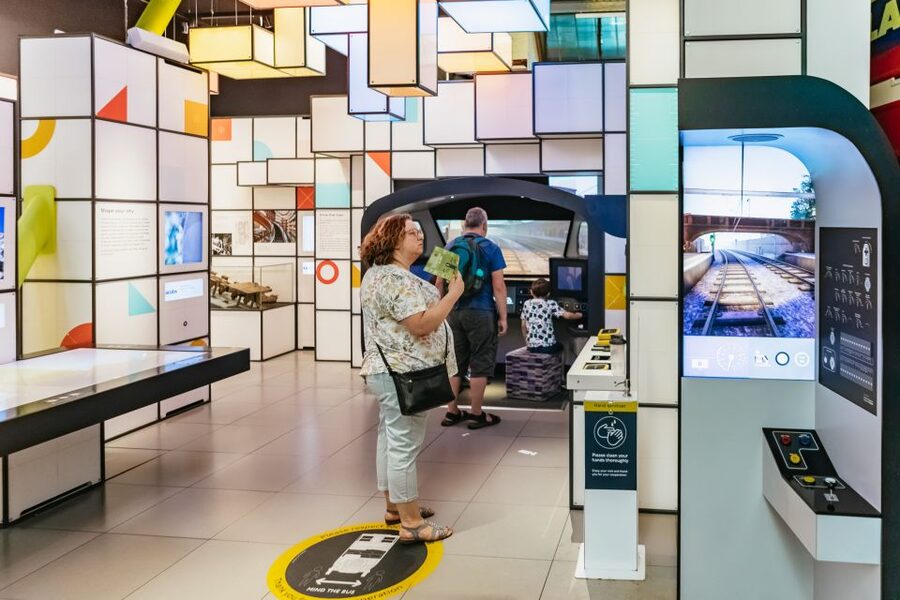
The museum does a good job of showing that transport is not only old machinery. The Future Engineer’s simulation lets you drive a modern Elizabeth line train, giving the present day a place beside the historic vehicles.
Interactive equipment is a major reason families tend to spend longer here. You might find activities involving train operation, brake pads, rail track switches, and other parts of the transport system. These displays give children something to do while explaining the work and engineering behind London’s network.
The practical value is simple: young visitors can test controls instead of only reading labels. Adults also get a better sense of how much planning and technical skill sits behind an ordinary journey.
Some activities may be popular and require patience when the museum is busy. That is worth considering if your child has a short attention span or if you are visiting during a school break. Still, the museum’s interactive side is broad enough that you are unlikely to depend on one single machine for entertainment.
There are also play areas for toddlers and younger children. That makes the museum more flexible than a traditional collection where small children are expected to stay quiet and look at objects behind glass.
A family museum that adults can enjoy
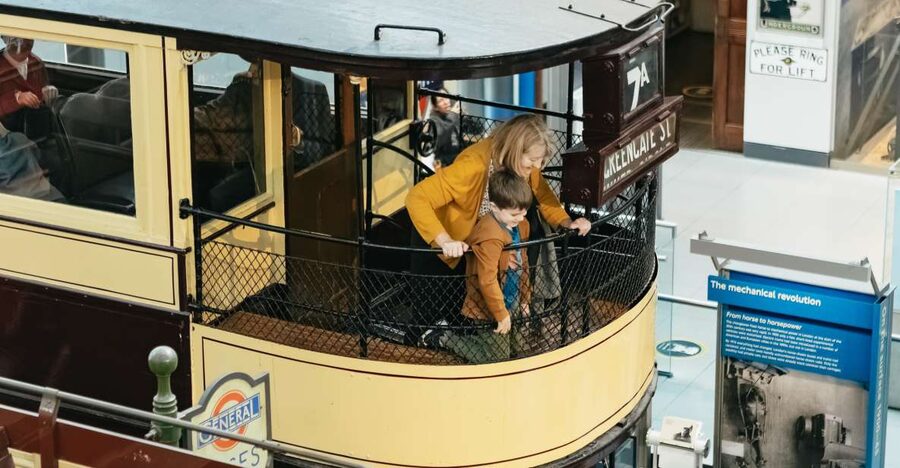
The museum clearly welcomes families, but it is not only a children’s attraction. Adults can follow the development of London’s transport system, examine historic design, and reconnect with the city they know from everyday journeys.
The age range that can enjoy the museum is unusually wide. A group including toddlers, school-age children, parents, and older relatives can find separate points of interest. Older visitors may remember buses and Underground trains from the 1940s, 1950s, or 1960s, while children can focus on the controls and play areas.
That broad appeal is one of the museum’s strongest qualities. You do not have to choose between an educational visit and a fun family outing. The two work together here.
The tradeoff is atmosphere. Children running between activities can make the museum loud, especially at busy times. If you are visiting as a couple or alone and want a quiet museum, choose a weekday or arrive early if possible. Saturday mornings can be busy even when the entry process is organised.
The museum is wheelchair accessible, which makes it practical for visitors with mobility needs. Stroller and buggy parking is available, but large bags and luggage are not allowed, so avoid arriving with airport baggage or oversized day packs.
How long should you allow?

You can see the main highlights in about 1 to 1.5 hours if you move briskly. That is enough for the major vehicles, the Underground story, and a few interactive displays.
I would allow around 3 hours for a relaxed visit. That gives you time to read the explanations, look closely at the vehicles, visit the Global Poster Gallery, and let children try several activities without constant rushing.
If you are interested in transport, engineering, or design, you could spend 3 to 4 hours here. The museum rewards slow browsing because many displays explain the reasons behind changes, not just the dates.
Your visit length will also depend on your group. With toddlers, you may spend more time in play areas. With older children, the train-driving and engineering activities can stretch the visit. Adults interested in posters and Tube design may want a separate block of time for the gallery.
The museum closes at 6:00 PM, with last entry at 5:00 PM. Do not plan to arrive late and expect a full visit. A morning or early afternoon start gives you more freedom, especially if you want to combine the museum with Covent Garden afterward.
Is the $33 ticket good value?

At $33 per person, the ticket makes most sense when you plan to spend several hours inside. A quick 45-minute visit would feel expensive, especially for adults without children.
For a family, the value improves because the museum offers several kinds of activity in one place: large historic vehicles, educational displays, poster art, play areas, and interactive equipment. You are not paying only to look at static exhibits.
The one-day format also helps. You can take a break in Covent Garden and return to the area later, though you should confirm the exact re-entry arrangements when booking. The available information describes the admission as lasting one day, so it is designed for a flexible museum visit rather than a timed guided tour.
If you are comparing this with other central London attractions, consider the weather. The museum gives you a substantial indoor activity in the middle of Covent Garden, and it works well as a planned stop on a rainy day.
Some visitors have found that a day ticket could be converted to an annual pass for a small extra payment. Since this may depend on current museum policy and ticket type, ask at the museum before leaving if you think you might return.
The ticket includes temporary exhibitions, as well as the Global Poster Gallery. That inclusion adds value for adults who might otherwise finish the vehicle displays quickly.
Booking, arrival, and practical advice
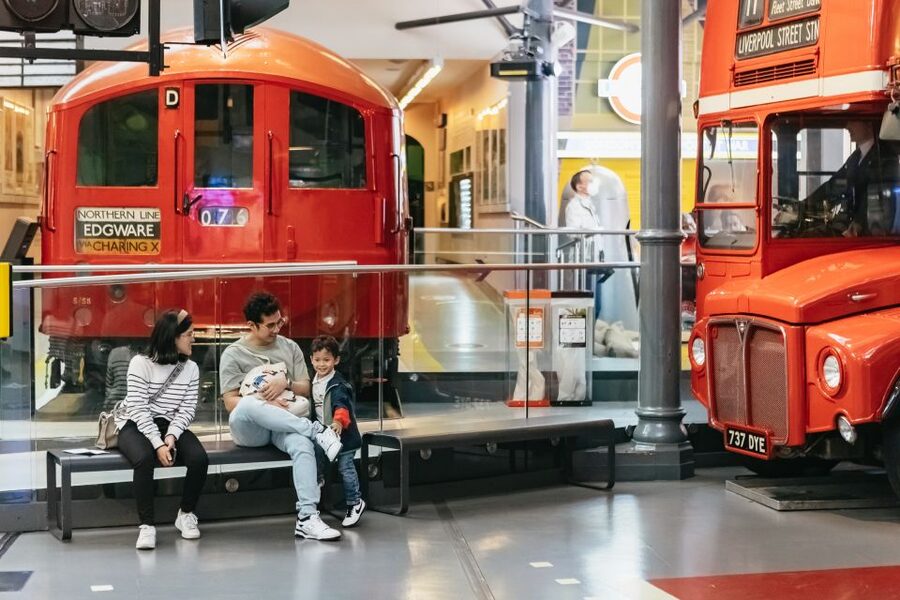
Your meeting point is the London Transport Museum itself. You do not need to meet a guide or join a group, so you can set your own pace once inside.
Booking ahead can help you avoid entry delays, particularly during weekends and school holidays. A prebooked ticket may also make your day easier if you are working around theatre tickets, lunch, or another central London activity.
Keep your bags small. Luggage and large bags are not allowed, and stroller or buggy parking is available for families who need it.
The ticket has free cancellation up to 24 hours before the visit, and you can reserve now and pay later. Those options are useful if your London plans are still changing, though you should check the booking conditions attached to your chosen date.
Because the museum is in central Covent Garden, it fits naturally into a day in the West End. You can visit before a theatre performance, after exploring the piazza, or as a rainy-day replacement for an outdoor plan.
Who will get the most from this museum?
I would recommend it most strongly to families with children from toddler age through the early teenage years. The mix of vehicles, play areas, controls, and engineering activities gives children several ways to stay involved.
It also suits adults who enjoy public transport, industrial design, London history, or graphic art. If you have ever wondered how the Underground became such a clear and recognisable part of London life, the museum gives you a useful answer.
It is a good choice for grandparents and grandchildren together. Older visitors can connect with past buses and trains, while younger members of the group can operate the interactive displays.
Couples and solo visitors should think about timing. You can still have a rewarding visit, but the noise from children may be distracting at busy times. A weekday morning should offer a calmer experience than a Saturday or school holiday afternoon.
You may want to skip it if you have only a short time in London and are not interested in transport, design, or family attractions. The museum is good, but it is not a substitute for London’s major art museums or historic sights if those are your main interests.
Should you book the London Transport Museum?
Book it if you want an indoor London experience that explains how the city works, rather than simply showing famous objects. The steam train, electric Tube railway, transport posters, Tube map, and Elizabeth line simulation create a clear journey from early underground travel to modern rail.
For families, the ticket is especially practical because children can play and operate interactive exhibits while adults learn about London’s development. For adults without children, go at a quieter time and spend extra attention on the poster gallery and transport design.
At $33, I would not rush through it. Give yourself at least two hours, and preferably three, to make the admission worthwhile. If you do that, the museum offers one of the clearest and most enjoyable ways to understand why transport is central to London’s identity.
FAQ
Where is the London Transport Museum?
The museum is in Covent Garden, in the heart of London.
How long does admission last?
The experience is listed as a one-day visit. The museum closes at 6:00 PM, and last entry is at 5:00 PM.
What time should I arrive?
You can check available starting times when booking. Arriving earlier in the day may help you avoid the busiest periods, especially on weekends and during school holidays.
What is included with the ticket?
Admission includes entry to the London Transport Museum and access to temporary exhibitions. The Global Poster Gallery is also free with museum admission.
Can I see the first underground railway?
Yes. The museum displays the world’s first underground steam train and an electric Tube railway.
Is there anything interactive for children?
Yes. Interactive options include the Future Engineer’s simulation, where you can drive a modern Elizabeth line train, along with train-related activities, puzzles, play areas, and other hands-on displays.
Is the museum wheelchair accessible?
Yes. The museum is wheelchair accessible.
Can I bring luggage or a large bag?
No. Luggage and large bags are not allowed. Stroller and buggy parking is available.
Can I cancel my ticket?
Yes. You can cancel up to 24 hours in advance for a full refund. The reserve now and pay later option also lets you delay payment when making your plans.
Recently added around London
- PRIVATE HIRE 45 min Speedboat Tour – Embankment/Westminster Pier★ 5.0 · 55 reviews
- Private Tour of London’s Historic Pubs★ 5.0 · 55 reviews
- From London: Glastonbury and Cheddar Gorge Guided Day Trip★ 4.8 · 55 reviews
- London: Kew to Westminster River Thames Cruise★ 4.2 · 55 reviews
- Gatwick Airport Taxi – Private Transfer to/from London★ 5.0 · 55 reviews
- London: Tower of London After Hours Tour and Key Ceremony★ 4.8 · 56 reviews
- London by Night – Tootbus Sightseeing Tour★ 3.5 · 55 reviews
- Private Round Trip Transfer between London Airports and Hotel★ 3.5 · 56 reviews
Museums, compared.

Liverpool Football Club Museum and Stadium Tour
Read our review →
Tower of London and Crown Jewels Exhibition Ticket
Read our review →
Chelsea Football Club Stadium and Museum Tour
Read our review →




Official tickets: Moco Modern & Contemporary Art Museum
Read our review →Browse the lists this tour appears in