
Reviewed · WALKING TOURS
Merchant City Music Walking Tour of Glasgow
Glasgow sings from the pavement up. This two-hour walk follows the city’s music story from old music halls to punk, indie, folk, and modern live venues. I like the local guides, including music writers such as Fiona, and I like how the route shows places you could easily miss on a standard city tour. The main trade-off is that the Britannia Panopticon may not be open for entry, so part of that stop can be storytelling rather than sightseeing inside.
At $27.08 per person, the tour offers good value if music matters to you. You get a focused introduction to Glasgow’s musicians, venues, and musical character, plus a 20 percent food discount at Mono Cafe Bar. The walk is not difficult according to the available feedback, but Glasgow weather is no respecter of tour schedules, so bring suitable clothing and arrive 10 minutes early.
In This Review
- Five things that make this Glasgow music walk worthwhile
- Why Glasgow’s music story works best on foot
- Starting at The Clutha on Bridgegate
- The Panopticon and Glasgow’s older stage world
- City Halls, Old Fruitmarket, and a punk-era turning point
- The Tron Theatre and its darker past
- The Barrowland Ballroom, Glasgow’s great music address
- St Andrews in the Square and a church with a second life
- The 13th Note and the final theory about Glasgow music
- How much value do you get for $27.08?
- Practical details for weather, walking, and group size
- Who should book this music tour?
- Should you book the Merchant City Music Walking Tour?
- FAQ
- Where does the Merchant City Music Walking Tour start?
- What time does the tour begin?
- Where does the tour end?
- How long does the tour last?
- What language is the tour offered in?
- How many people can join the tour?
- Is food included?
- Can I enter the Britannia Panopticon?
- What happens if the weather is poor?
- Can I cancel for a full refund?
Five things that make this Glasgow music walk worthwhile
- The Clutha begins the story in a real live-music pub, with murals celebrating Glasgow performers and musical styles.
- The Britannia Panopticon links Victorian entertainment with modern Glasgow, including stories about Harry Lauder, Cary Grant, and Stan Laurel.
- The Barrowland Ballroom gets proper attention, with both the venue and its outdoor artwork included.
- Guides bring specialist insight, with Fiona’s arts journalism background and Phil’s energetic delivery singled out in the feedback.
- The final stop explains Glasgow’s own musical identity, connecting Postcard Records, The 13th Note, and Mono Bar.
- The route is capped at 26 people, giving the walk a more personal feel than a large coach excursion.
Why Glasgow’s music story works best on foot
This is not a general sightseeing tour with a few musicians added for decoration. Music is the organizing idea from start to finish. You move through streets, squares, theatres, pubs, and former entertainment spaces while your guide explains how each place fits Glasgow’s cultural story.
That approach suits Glasgow particularly well. The city’s music life is tied to ordinary buildings and working venues, not only grand landmarks. A pub mural, an old market hall, or a church converted into a concert space can tell you as much about local culture as a formal museum.
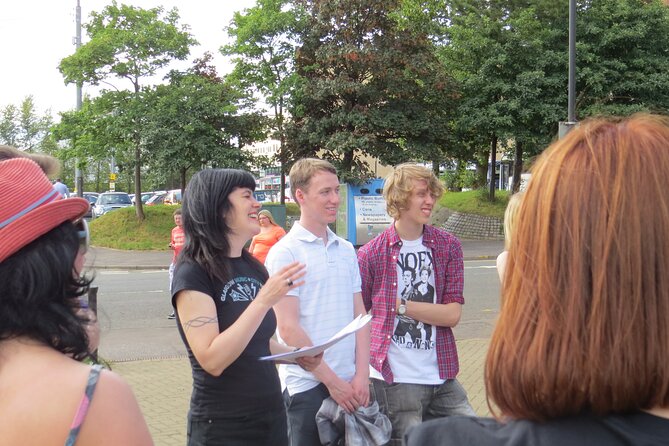
I also like the scale of the tour. The maximum group size is 26 people. That is not a private walk, but it is small enough for a guide to keep the group together and answer questions without shouting across a crowd. The strongest feedback praises the guides’ enthusiasm and depth of information, so the quality of the individual guide matters here. Fiona is an arts journalist with a clear affection for Glasgow’s musicians, while Phil, also called P6, is described as bringing plenty of passion and insight.
The walk lasts about two hours and begins at 11:00 a.m. It includes several short stops rather than long visits at one or two attractions. You should expect a steady city walk with a comfort break, plenty of standing, and frequent pauses for stories and photographs.
More Walking Tours in Glasgow
- Glasgow City Centre Walking Tour with Local Guide
★ 5.0 · 1,326 reviews - Glasgow Street Art Daily Walking Tour: 2pm
★ 5.0 · 648 reviews - Gander Walking Tours in Glasgow
★ 5.0 · 506 reviews
Starting at The Clutha on Bridgegate
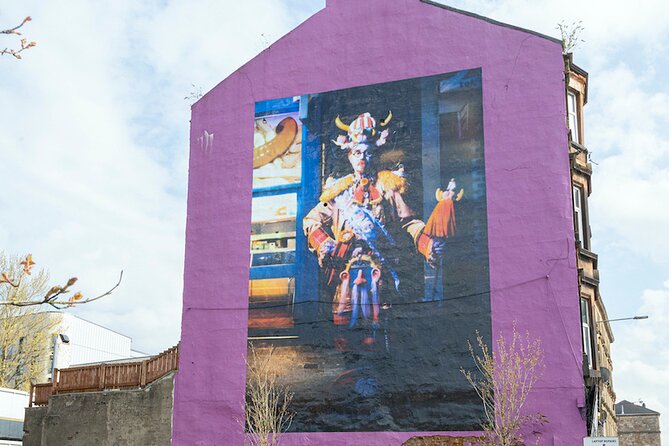
The tour begins at the Clutha and Victoria Bar at 159 Bridgegate. The Clutha is one of Glasgow’s best-loved live-music pubs, and it gives the tour a fitting opening: informal, local, and closely tied to the city’s performance life.
The murals on the building show the range of Glasgow’s music scene through the years. They make an immediate visual introduction to the tour, and they provide useful photo points without requiring a formal admission ticket. Your guide can use the artwork as a starting point for the people, styles, and venues that shaped the city.
The official stop lasts about 10 minutes. That is enough time to look at the exterior and hear the opening stories, but not enough for a pub visit or a drink. Food and drinks are not included in the tour, so treat The Clutha as a meeting point and historical stop rather than a scheduled refreshment break.
Arrive by 10:50 a.m. The starting point is near public transportation, which helps if you are staying elsewhere in central Glasgow.
The Panopticon and Glasgow’s older stage world
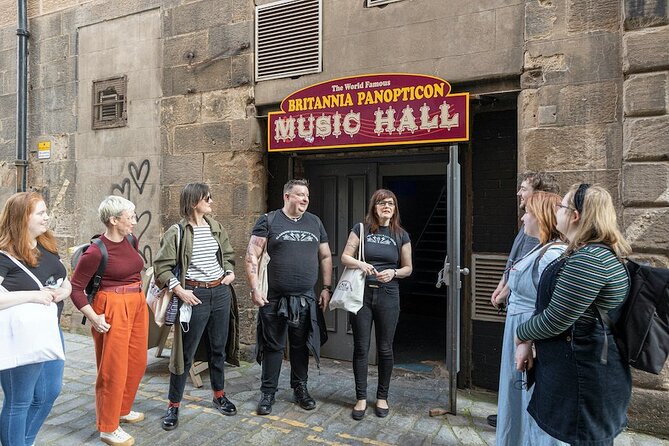
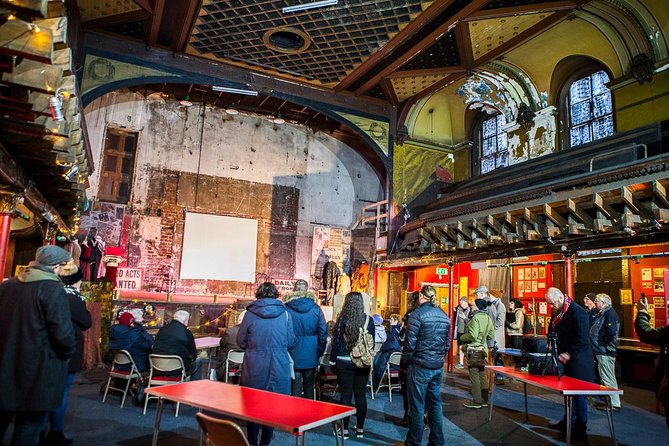
The Britannia Panopticon Music Hall is one of the most unusual stops. It is described as Britain’s oldest surviving music hall and remains a working venue. Its stage history includes the Scottish performer Harry Lauder, along with Cary Grant and Stan Laurel.
The Panopticon matters because it widens the tour beyond rock music. Glasgow’s entertainment story did not begin with electric guitars and famous concert halls. Music halls brought comedy, songs, variety acts, and popular performers to paying audiences, creating an earlier stage culture that helps explain the city’s long relationship with live performance.
The planned stop lasts about 20 minutes, making it one of the longer pauses on the route. At present, access inside may not be available because of Covid-related restrictions noted in the tour information. Your guide can still tell the stories, but you should not book this walk expecting a guaranteed interior visit.
That limitation is worth keeping in mind. If you care most about entering historic buildings, the Panopticon may feel incomplete. If you enjoy theatrical stories and unusual urban history, it should still be a memorable part of the walk.
City Halls, Old Fruitmarket, and a punk-era turning point
The City Halls and Old Fruitmarket have hosted many important gigs. Your guide also tells the story of a Stranglers concert that helped lead to punk rock being banned in Glasgow.
That detail gives the tour a sense of conflict and change. Music venues are not only places where performers appear. They can also become sites where city authorities, audiences, and new musical movements collide. Punk’s arrival challenged accepted ideas about noise, behavior, and public entertainment, and the story helps place Glasgow’s later music culture in a wider social setting.
The stop lasts around 10 minutes. You will not spend long inside the buildings, and admission is not listed as included. Expect an exterior-focused explanation of what took place there and why these venues matter.
A different sort of outing around Glasgow:
- Guided Celtic Park Stadium Tour
★ 5.0 · 3,136 reviews - From Glasgow: Oban, Glencoe, Highland Lochs & Castles Tour
★ 4.9 · 2,123 reviews - City Sightseeing Glasgow Hop-On Hop-Off Bus Tour
★ 4.5 · 1,873 reviews - From Glasgow: Glenfinnan, Fort William, and Glencoe Day Trip
★ 4.7 · 1,753 reviews
The Tron Theatre and its darker past
The Tron Theatre is now a leading theatre and concert venue, but its earlier story includes a devastating connection with the notorious Hellfire Club. The contrast is what makes this a useful stop.
You get a reminder that Glasgow’s performance spaces often have several lives. A building may shift from religious or social use into theatre and music, carrying older stories along with it. The tour does not treat the city as a collection of polished attractions. Instead, it points out the odd, sometimes unsettling episodes attached to familiar places.
This is a short stop of about five minutes. Do not expect an extended theatre visit. It works best as a compact piece of context while moving toward the Barrowland area.
The Barrowland Ballroom, Glasgow’s great music address
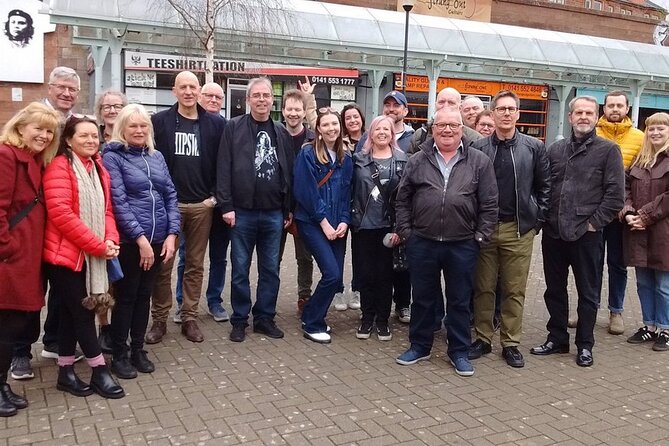
The Barrowland Ballroom receives two separate stops, and that is sensible. The building itself is one of Glasgow’s most loved gig venues, while the surrounding Barrowland Park adds a second layer of music history through public artwork.
At the ballroom, your guide explains its colorful past and the bands that have played there. The venue is especially important because it represents the emotional side of Glasgow music culture. It is not presented simply as a famous building. It is a place closely tied to local gig-going and the shared memory of live shows.
The scheduled visit lasts about 10 minutes. You should expect to hear the story from outside rather than attend a performance. The tour does not include a concert ticket, and the itinerary does not promise access to the interior.
The next 15 minutes focus on Barrowland Park and its pathway artwork. The artwork highlights acts associated with the ballroom, giving you a visual record of the venue’s reach. Stories include major names such as The Smiths, Simple Minds, David Bowie, and Bob Dylan.
This is one of the strongest parts of the route for photographs. It also helps you connect famous performers with a particular Glasgow place instead of treating them as a long list of names. You get the broad sweep of international music alongside the local importance of the ballroom.
St Andrews in the Square and a church with a second life

St Andrews in the Square is an 18th-century church that has become a live-music venue. Its changing use reflects one of the tour’s central ideas: Glasgow keeps finding new ways to use old spaces.
The building’s links to major figures in Scotland’s cultural story give your guide another chance to connect architecture and music. You can look at the church as a historic structure, but the tour asks you to see it as part of the city’s continuing performance network.
The stop lasts about five minutes. It is brief, so you will not receive a long architectural tour or a scheduled concert. Still, it adds variety after the Barrowland focus and shows that Glasgow’s music venues come in very different forms.
The 13th Note and the final theory about Glasgow music
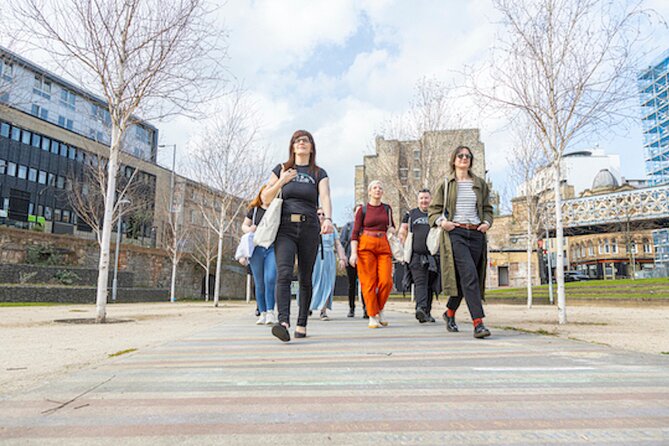
The walk finishes on King Street, near The 13th Note. This ending brings several strands together, including Postcard Records, The 13th Note, and Mono Bar.
Here your guide explains theories about why Glasgow developed its own distinct music scene. That final discussion gives the tour a clear purpose. You are not just collecting stories about old venues. You are considering how local musicians, record labels, performance spaces, and audiences helped create a city with a strong musical personality.
The stop lasts about 10 minutes. The 13th Note and Mono Bar also give you useful ideas for continuing your own music-themed afternoon. The tour includes a voucher for 20 percent off food at Mono Cafe Bar, which adds practical value at the finish. Drinks and food are otherwise not included.
I like ending here because it points you toward the present rather than stopping with famous names from the past. The tour covers older entertainment, punk, major touring artists, and local institutions, then leaves you with places connected to Glasgow’s ongoing music life.
How much value do you get for $27.08?
At $27.08, this tour is reasonably priced for a two-hour guided walk, especially if your alternative is paying for several separate attractions or trying to assemble the same story from scattered websites and plaques.
The value comes from interpretation. All listed stops are free, but that does not make the tour unnecessary. The guide supplies the connections between them, explains why certain venues matter, and adds stories that would be difficult to find while walking alone.
The 20 percent Mono Cafe Bar discount improves the calculation if you plan to eat there. It does not turn the tour into an all-inclusive outing, since food and drinks are not covered, but it gives you a useful next step after the walk.
The price is less compelling if you are looking for interior access or a live performance. The Panopticon may not be open for entry, and the tour does not include concert tickets, drinks, or meals. You are paying for a guided cultural walk, not a venue package.
The high rating of 4.9 from 94 reviews, with 100 percent recommending the experience, supports the view that guide quality is a major strength. Still, a music tour depends partly on your interests. If you rarely listen to live music or want a broad overview of Glasgow’s architecture, another city walk may suit you better.
Practical details for weather, walking, and group size
The meeting point is the Clutha and Victoria Bar at 159 Bridgegate, and the end point is King Street. The tour begins at 11:00 a.m. and lasts approximately two hours.
The operator asks you to arrive 10 minutes before departure. That is good advice, since a walking group cannot easily wait while the guide searches nearby streets for late arrivals. The tour operates in all weather conditions, so wear shoes suited to city walking and bring clothing for rain or wind.
Most people can take part, and service animals are allowed. If you have mobility concerns, contact the provider before booking to discuss them. The route includes multiple stops and city walking, but the supplied information does not give a precise distance or detailed surface conditions.
The tour is offered in English and uses a mobile ticket. Confirmation is received at booking. Free cancellation is available if you cancel at least 24 hours before the local start time. Changes or cancellations made inside that window are not accepted for a refund.
Who should book this music tour?
I would choose this walk if you want to understand Glasgow through its music rather than simply check off landmarks. It suits fans of live performance, music writers, record labels, historic theatres, and unusual city stories.
It also works well for people who like a local guide’s point of view. Fiona’s arts journalism background and Phil’s energetic style show the kind of specialist approach you may get. Since the tour has several guides, the tone may vary, but the available feedback consistently points to enthusiastic, informed presentation.
You do not need to know every band mentioned. In fact, the walk can be a good way to learn the city’s music vocabulary. You might recognize Bowie or Dylan, then discover local venues and figures you had not encountered before.
Families and casual sightseers may enjoy it too, especially if they like stories and photographs. But the route is not designed as a general children’s attraction, and the value depends on enjoying a steady stream of music-related information.
Should you book the Merchant City Music Walking Tour?
Book it if you want a compact, well-focused introduction to Glasgow’s music culture, with strong guide-led storytelling and stops at places such as The Clutha, the Panopticon, and the Barrowland Ballroom.
I would be cautious only if interior access is essential to you, since the Panopticon may be closed to the tour, or if you expect food, drinks, or a live show to be included. For everyone else, $27.08 is a fair price for two hours of context you would probably miss while walking these streets alone.
FAQ
Where does the Merchant City Music Walking Tour start?
It starts at the Clutha and Victoria Bar, 159 Bridgegate, Glasgow G1 5HZ, UK.
What time does the tour begin?
The tour starts at 11:00 a.m. You should arrive 10 minutes before departure.
Where does the tour end?
The walk ends on King Street, Glasgow.
How long does the tour last?
It lasts approximately two hours.
What language is the tour offered in?
The tour is offered in English.
How many people can join the tour?
The maximum group size is 26 people.
Is food included?
Food and drinks are not included. You do receive a voucher for 20 percent off food at Mono Cafe Bar.
Can I enter the Britannia Panopticon?
Access to the Britannia Panopticon may not be available because of Covid-related restrictions. The guide can still share its stories during the stop.
What happens if the weather is poor?
The tour operates in all weather conditions, so you should dress appropriately for Glasgow’s weather.
Can I cancel for a full refund?
Yes, if you cancel at least 24 hours before the experience start time. Cancellations or changes made less than 24 hours before the start are not refunded.
Recently added around Glasgow
- Charles Rennie Mackintosh Walking Tour: Saturdays 10am★ 5.0 · 60 reviews
- Glasgow Ghouls, Ghosts and Gruesome Tales Tour★ 5.0 · 63 reviews
- Private Glasgow West End Walking Tour★ 5.0 · 66 reviews
- St Andrews and the Kingdom of Fife from Glasgow★ 5.0 · 68 reviews
- Loch Lomond National Park & Stirling Castle Full Day Tour★ 5.0 · 68 reviews
- Glasgow’s Music Mile Walking Tour★ 5.0 · 69 reviews
- Culzean Castle, Robert Burns Country & the Ayrshire Coast★ 4.7 · 69 reviews
- Glasgow Ghost Hunt: The Soul That Got Away Exploration Game★ 4.0 · 71 reviews
Walking Tours, compared.
Magical London: Harry Potter Guided Walking Tour
Read our review →
Underground Vaults Walking Tour in Edinburgh Old Town
Read our review →
Oxford University Walking Tour With University Alumni Guide
Read our review →
Edinburgh Castle: Guided Walking Tour with Entry Ticket
Read our review →
Edinburgh Castle Guided Walking Tour in English
Read our review →
Tour for Muggles The Ultimate Harry Potter Walking Tour in London
Read our review →
University and City Walking Tour with Alumni Guide
Read our review →Browse the lists this tour appears in