
Reviewed · TICKETS
Skip the Line: House and Garden Admission Ticket
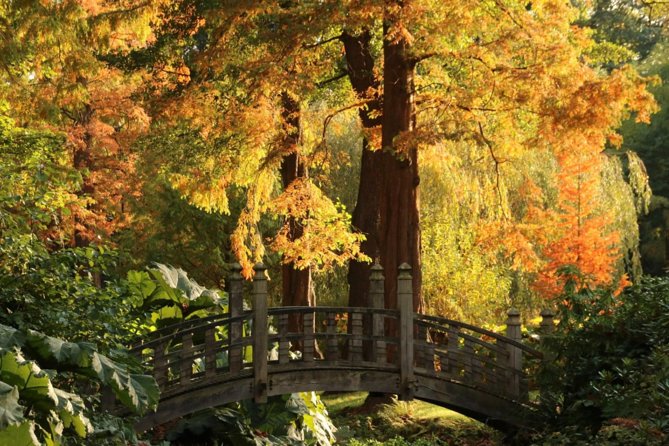
A quiet garden can reset your whole day. Winterbourne House and Garden gives you a calm break near Birmingham’s city center, with an Edwardian Arts and Crafts villa, a restored walled garden, and plant collections from around the world. I like the thoughtful garden design inspired by Gertrude Jekyll, and I like that you can explore at your own pace rather than follow a fixed tour. The main drawback is that the advertised skip-the-line benefit may not always work as expected, since one visitor still had to join a queue.
This is a good choice for garden lovers, history fans, families, and anyone who wants a peaceful outing without leaving Birmingham. At about $14.17 per person, it offers a fair amount of time for your money, though the experience depends heavily on the season. The garden changes from month to month, and some paths and areas may be less practical for wheelchairs or pushchairs.
In This Review
- Key points to know before you go
- Why Winterbourne makes a good Birmingham break
- The Edwardian house and the Nettlefold story
- The restored walled garden and crinkle-crankle wall
- Lawns, themed borders, and the rock garden
- Woodland paths and plants from around the world
- How long to stay and when to visit
- Is $14.17 good value?
- Practical points about access and arrival
- Who will enjoy Winterbourne most?
- Should you book Winterbourne House and Garden?
- FAQ
- Where is Winterbourne House and Garden located?
- How much does admission cost?
- How long does a visit take?
- What are the opening hours from January through February?
- What are the opening hours from March through October?
- Is food included with the ticket?
- Is the ticket available on a mobile device?
- Can I cancel for a full refund?
Key points to know before you go
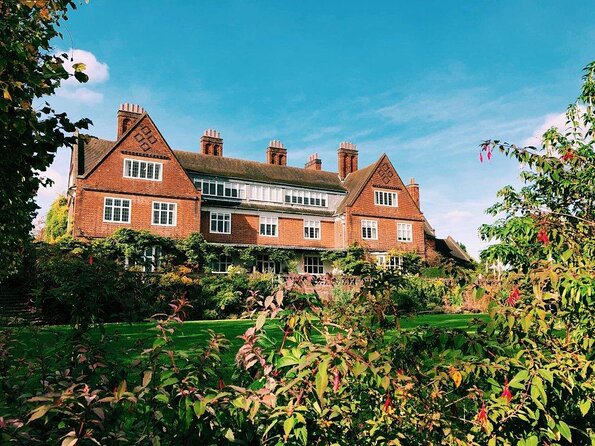
- Edwardian Arts and Crafts setting: Explore one of Birmingham’s best-preserved suburban villa gardens from this period.
- Gertrude Jekyll influence: The original owners, Margaret and John Nettlefold, used Jekyll’s books to shape the garden.
- Four seasons of interest: Flower borders, woodland planting, a rock garden, and global plant collections give you plenty to see beyond the house.
- A peaceful city escape: Benches, lawns, and quiet garden paths make this as much a relaxing break as a sightseeing stop.
- Flexible visit length: Plan on roughly one to four hours, depending on your interest in plants, the house, and the season.
- Skip-the-line caution: Advance booking is useful, but the admission process may still involve a queue.
Why Winterbourne makes a good Birmingham break
Winterbourne is not a grand country estate requiring a full day and a long trip into the countryside. Its appeal is more practical. You can spend a few quiet hours among lawns, borders, trees, and historic rooms, then return to the city without making a major time commitment.
I especially like the contrast between the busy modern city and the stillness inside the garden. The experience gives you room to slow down. You can examine planting schemes, sit on a bench, or simply follow the paths without feeling pushed from one sight to the next.
The house adds useful context. This is not just a botanical garden with a historic building attached. The property reflects Edwardian and 20th-century influences, and the garden was created as part of a suburban villa home. That makes it a good place to see how gardening, domestic life, and design came together in Birmingham.
You should allow at least an hour if you want only a quick look. I would set aside two to three hours for a more satisfying visit, especially if the walled garden is in season and you want time for the woodland walk.
More Tickets in Birmingham
- Entry ticket to Hoo Zoo and Dinosaur World in Telford
★ 5.0 · 591 reviews - Cadbury World Entry Ticket
★ 3.0 · 524 reviews - Birmingham: Cadbury World Entry Ticket
★ 4.4 · 230 reviews
The Edwardian house and the Nettlefold story
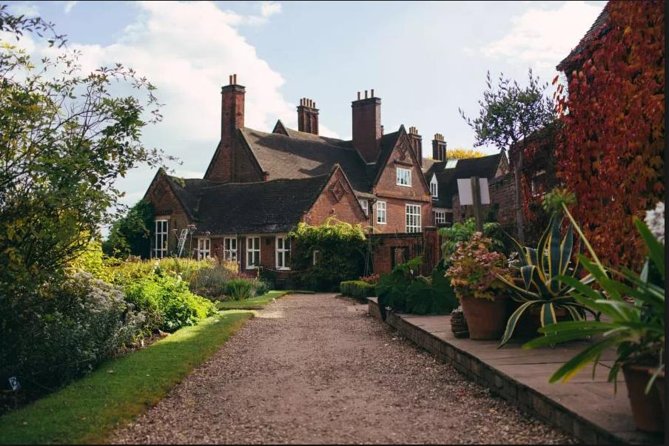
Winterbourne House was home to Margaret and John Nettlefold, who shaped the garden with help from the ideas of Gertrude Jekyll. Jekyll’s writing encouraged carefully planned borders, strong color combinations, and gardens that changed in character as you moved through them.
That background gives the visit a clear purpose. You are not simply looking at attractive planting. You are seeing a surviving example of the Arts and Crafts approach to a suburban home garden, where the house, walls, lawns, and plantings were designed to work together.
Inside, the house offers a quieter experience than the garden. One useful advantage is that the house does not require you to move through in a large, tightly packed group. You can take your time looking at the rooms and considering how the historic home connects with the outdoor spaces.
The property also reflects changes beyond its original Edwardian setting. Its 20th-century influences help explain why the experience feels like more than a snapshot of one period. You get a sense of a house and garden that continued to be used, adapted, and cared for over time.
I would not expect a vast stately-home collection or a full museum program. The house is valuable because it supports the garden story. If historic domestic architecture interests you, give the rooms proper attention. If plants are your main passion, you may spend more time outdoors.
The restored walled garden and crinkle-crankle wall
The restored walled garden is one of the most distinctive parts of the visit. Its crinkle-crankle wall gives it an unmistakable shape, with a curving design that is both practical and decorative.
From May through October, this area is described as a riot of color. That makes the warmer months the safest choice if you want the strongest display of flowers and foliage. The planting changes through the year, so a visit in early spring will offer a different experience from one in midsummer or early autumn.
The garden’s color is not confined to one bed. Lawns are edged with themed borders, creating clear bands of planting around open green space. This arrangement makes the garden easy to appreciate even if you do not know much about horticulture. You can see how color, height, shape, and position guide your eye.
I also like the fact that the walled garden is restored rather than treated as a purely decorative remnant. It gives you a better sense of how a historic garden might have been organized and enjoyed.
Season matters here. An early March visit can still be pleasant and worth your time, but some plants will not be at their best. If you are hoping for wisteria, do not assume it will be in full bloom. One report noted that only the wisteria at the house was flowering, while the main display had not yet reached its peak.
Lawns, themed borders, and the rock garden
The lawns provide breathing room between the more detailed planting areas. They are fringed by color-themed borders, so you can enjoy both broad views and close-up detail.
This is a garden for wandering rather than racing. I would take one circuit to understand the layout, then return to the areas that catch your eye. Benches make it easy to stop and enjoy the surroundings, and the clean, well-kept setting adds to the sense of calm.
Beyond the lawns, an original sandstone rock garden adds a different texture. It breaks up the softer look of flower borders and gives you another example of the garden’s varied design. The rock garden may appeal most to keen gardeners, but it also helps keep the visit interesting for anyone who likes changing scenery.
The garden is listed at Grade II, which signals its historic and architectural importance. That status matters because the value here comes from the complete setting, not from one spectacular object. The walls, house, lawns, planting, and paths belong to the same story.
If you are visiting with children, the open lawns and variety of areas can help keep the outing manageable. Still, this is not presented as a dedicated play attraction. Children who enjoy plants, paths, and exploring different spaces will get more from it than children seeking rides or organized entertainment.
A few more trips worth a look before you book
- Skip the Line Tower of London & Westminster Tour and River Cruise
★ 5.0 · 730 reviews - London: Westminster Abbey Skip-the-line Entry & Guided Tour
★ 4.9 · 368 reviews - Skip the Line: Liverpool Beatles Museum – The perfect tribute to the Beatles
★ 4.5 · 321 reviews - Skip-the-Line in The National Museum of Popular Music Ticket
★ 4.5 · 205 reviews
Woodland paths and plants from around the world
The woodland walk gives you a change of pace from the formal garden. Here, large Gunnera leaves and rhododendron displays create a more enclosed feeling. You may find this section especially refreshing on a warm day, when the leafy planting provides a cooler, quieter route.
The botanical collection reaches well beyond Britain. Plants from China, North and South America, and alpine parts of the world are represented. That global range adds interest because the garden is not tied to one local planting style.
You do not need specialist knowledge to enjoy this section. Labels and plant variety can give keen gardeners plenty to study, while casual visitors can simply appreciate the differences in size, color, and form. I like this mix of education and rest. You can learn something without turning the visit into a formal lesson.
The woodland area also helps spread the visit across different settings. If you have already seen the house and walled garden, the walk prevents the experience from feeling repetitive. It is one reason the site can comfortably fill two or three hours rather than just a brief stop.
How long to stay and when to visit
The stated visit length is about one to four hours. That wide range makes sense because Winterbourne can work as either a short garden break or a more complete house-and-garden outing.
For a quick visit, focus on the house, walled garden, and main borders. With more time, add the rock garden and woodland walk, then return to a bench or lawn for a slower look at the planting.
Opening hours vary by season:
- From January 13 through February 28, the site is open daily from 10:30 a.m. to 3:30 p.m.
- From March 1 through October 31, it is open daily from 10:30 a.m. to 4:30 p.m.
The longer spring-to-autumn hours give you more time outdoors. They also cover the period when the walled garden is most likely to show its strongest color, especially from May through October.
The garden can still be worthwhile in early spring, but keep your expectations realistic. You may find peaceful paths and signs of new growth rather than full flower displays. For maximum color, I would choose a date later in the season, while remembering that exact blooming times can change.
Is $14.17 good value?
At about $14.17 per person, this ticket is reasonably priced for access to both a historic house and a Grade II-listed garden. You are paying for a self-guided visit with no food or drinks included, so the value comes from the quality and range of the site itself.
I think the price works best if you stay for at least two hours. A short walk around the garden will still be pleasant, but a longer visit lets you see the house, walled garden, lawns, rock garden, and woodland path without rushing.
The ticket also suits different budgets because you do not need to buy a separate activity to fill the day. The garden itself supplies the main experience. You might want to budget separately for refreshments, since food and drinks are not included.
Advance purchase is intended to reduce waiting and make entry easier. That is useful during popular periods, but you should not treat skip-the-line wording as a guarantee of instant entry. One visitor reported still joining a queue, so I would book ahead for convenience rather than expect a completely queue-free arrival.
Practical points about access and arrival
Most people can take part, and the maximum group size is 30. That limit suggests a more controlled admission experience than a huge attraction, though the visit itself is not described as a guided group tour.
The site has some wheelchair and pushchair access, but not every area is equally easy to reach. You should expect that some paths or sections may be more comfortable than others. If full access to every part of the garden is essential, confirm current conditions before booking.
Parking can be difficult. Narrow access was specifically noted, so driving may require extra care and patience. If you are staying nearby, walking could be a practical alternative. One person described a 45-minute walk from a hotel as worthwhile, though your own route and walking ability will decide whether that makes sense.
Your confirmation arrives at booking, and the ticket is mobile, which keeps the process simple. The experience is offered in English. No food or drinks are included, so plan accordingly if you expect to stay for several hours.
Who will enjoy Winterbourne most?
I would recommend Winterbourne to anyone who likes gardens with a story behind them. Keen gardeners will find the Jekyll influence, themed borders, rock garden, and international plant collections worth close attention.
It also suits history fans who prefer domestic settings to major monuments. The Nettlefold home gives you a personal scale, while the garden shows how Edwardian design ideas worked in daily life.
Families can enjoy the open spaces and variety of routes, provided they are happy with a quiet cultural outing rather than a play-focused attraction. The peaceful atmosphere is also a strong reason to visit if you simply want somewhere to sit, walk, and clear your head.
I would be more cautious about recommending it to someone seeking a large museum, dramatic architecture, or a full day of organized activities. Winterbourne’s pleasure is gentle and detailed. It rewards attention, not speed.
Should you book Winterbourne House and Garden?
Book it if you want a calm Birmingham outing with real garden design, a historic house, and enough variety to fill a few hours. The strongest reasons are the Edwardian Arts and Crafts setting, Gertrude Jekyll’s influence, the restored walled garden, and the peaceful benches and paths.
Choose your timing carefully if flowers matter most. May through October should give you the best chance of seeing the walled garden at full color, while early spring offers a quieter visit but fewer blooms.
The $14.17 price is fair, and free cancellation is available if you cancel at least 24 hours before the start time. I would still treat the skip-the-line promise with some caution, especially if arriving at a busy time. For a relaxing break close to Birmingham, though, Winterbourne is an easy choice.
FAQ
Where is Winterbourne House and Garden located?
It is located in Birmingham, England.
How much does admission cost?
The ticket costs about $14.17 per person.
How long does a visit take?
The experience lasts approximately one to four hours, depending on how much time you spend in the house and garden.
What are the opening hours from January through February?
From January 13 through February 28, Winterbourne is open daily from 10:30 a.m. to 3:30 p.m.
What are the opening hours from March through October?
From March 1 through October 31, it is open daily from 10:30 a.m. to 4:30 p.m.
Is food included with the ticket?
No. Food and drinks are not included unless specifically stated.
Is the ticket available on a mobile device?
Yes. The experience provides a mobile ticket.
Can I cancel for a full refund?
Yes. You can cancel at least 24 hours before the experience start time for a full refund. Cancellations or changes made less than 24 hours beforehand are not accepted for a refund.
Recently added around Birmingham
- Birmingham: Legoland Discovery Centre Entry Ticket★ 4.1 · 74 reviews
- Digbeth, Public Art & Peaky Film★ 5.0 · 91 reviews
- Birmingham: Victorian Canals and Modern-Day Birmingham Tour★ 4.7 · 92 reviews
- Alton Towers Resort: Entrance Ticket★ 4.2 · 96 reviews
- Birmingham: Guided City Center Walking Tour (10:30am & 2pm)★ 4.8 · 147 reviews
- From Birmingham: Stonehenge & Bath Day Tour★ 4.6 · 158 reviews
- Fun, Flexible Treasure Hunt Around Birmingham with Cryptic Clues & Hidden Gems★ 5.0 · 167 reviews
- Birmingham: Winterbourne House and Garden Admission Ticket★ 4.7 · 199 reviews
Tickets, compared.






Buckingham Palace: The State Rooms Entrance Ticket
Read our review →

Tower of London and Crown Jewels Exhibition Ticket
Read our review →Browse the lists this tour appears in