
Reviewed · MUSEUMS
London: British Museum Private Guided Tour with Tickets
Big museums need a game plan. This private British Museum tour gives you one, pairing a licensed Blue Badge guide with major objects such as the Rosetta Stone, Parthenon sculptures, Roman glass, and Sutton Hoo. The route is designed to turn a huge collection into a clear story about human culture.
I like the private format, especially for families or groups of up to six, because your guide can adjust the pace and answer your questions. I also like the guide’s archaeological background and lively delivery. The main drawback is the price: at $337 per group, it is a serious expense for two people, though it becomes much better value when shared by four to six.
In This Review
- Key points at a glance
- Why a private guide helps at the British Museum
- Meeting at Great Russell Street
- The Rosetta Stone and the Egyptian galleries
- Greek sculpture, Athens, and Sparta
- Rome through glass, armor, and imperial power
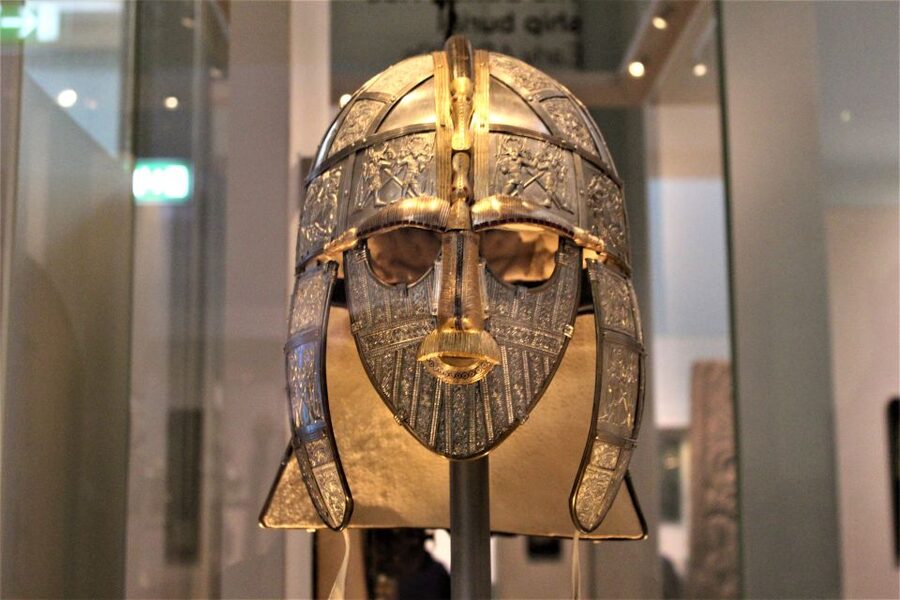
- Sutton Hoo and the Anglo-Saxon world
- Anthony Matthews as your guide
- Is $337 good value for six people?
- Timing, access, and practical limits
- Who should book this British Museum tour?
- FAQ
- How long is the British Museum private tour?
- How many people can join the private group?
- What does the price include?
- What is not included?
- Where do I meet the guide?
- Is the tour offered in English?
- Can I cancel the booking?
- Should you book it?
Key points at a glance
- Anthony Matthews brings an archaeologist’s eye: His explanations connect objects to burial customs, religion, warfare, language, and daily life.
- The Rosetta Stone anchors the Egyptian section: You learn why its repeated text was so important to reading hieroglyphics.
- The route crosses several major cultures: Expect ancient Egypt, Greece, Rome, and Anglo-Saxon England in one focused visit.
- Families get real value from the private setup: Anthony has kept children from ages 8 to 16 engaged with stories, humor, and questions.
- You skip the regular line through express security: Arrive 15 minutes early at the exact meeting point to make this work.
- The 2.5-hour format is focused, not exhaustive: You see key objects and gain context, but you will not cover the whole museum.
Why a private guide helps at the British Museum
The British Museum is famous partly because it is enormous. Its galleries cover thousands of years and many parts of the world, so walking in without a plan can leave you admiring beautiful objects without understanding how they fit together.
This tour solves that problem by choosing a manageable group of objects and explaining their connections. You are not simply taken from display case to display case. The guide retraces the stories behind the pieces, helping you see why an artifact matters instead of treating its age as its only claim to attention.
The private format matters most when your group has mixed interests. You can ask for more time with Egypt, spend longer on Greece and Rome, or adjust the conversation for children. Several families found that Anthony could speak to adults without losing younger children, which is not a small skill in a museum full of long labels and unfamiliar names.
The tour is conducted in English, and the group is private. That gives you a more personal experience than a large public walk, but it also means the cost is not shared with strangers. For a couple, $337 is costly. For six people, it works out to about $56 per person, before any booking fees or currency changes.
More Museum Visits in London
- Tower of London and Crown Jewels Exhibition Ticket
★ 4.5 · 6,677 reviews - London: Chelsea Football Club Stadium and Museum Tour
★ 4.8 · 4,576 reviews - Chelsea FC Stadium Tours and Museum
★ 5.0 · 1,908 reviews
Meeting at Great Russell Street
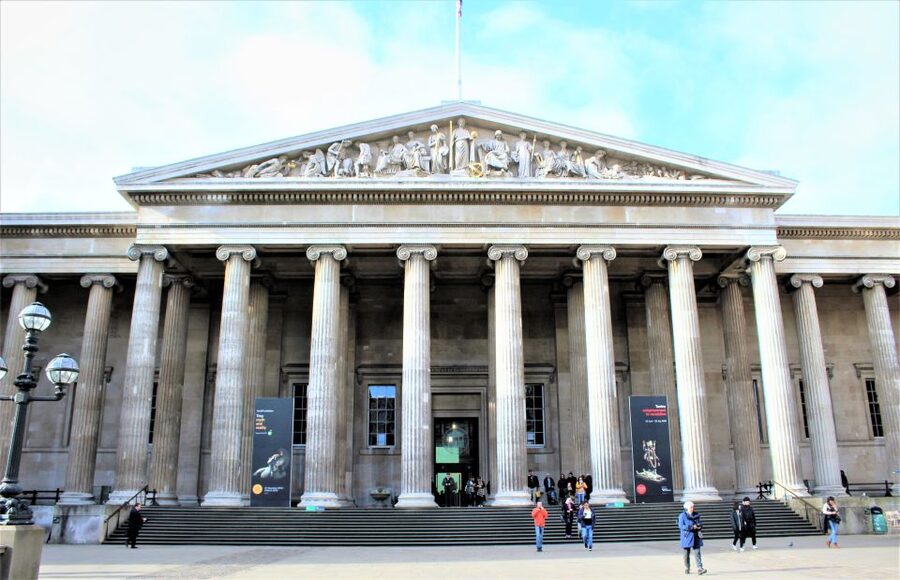
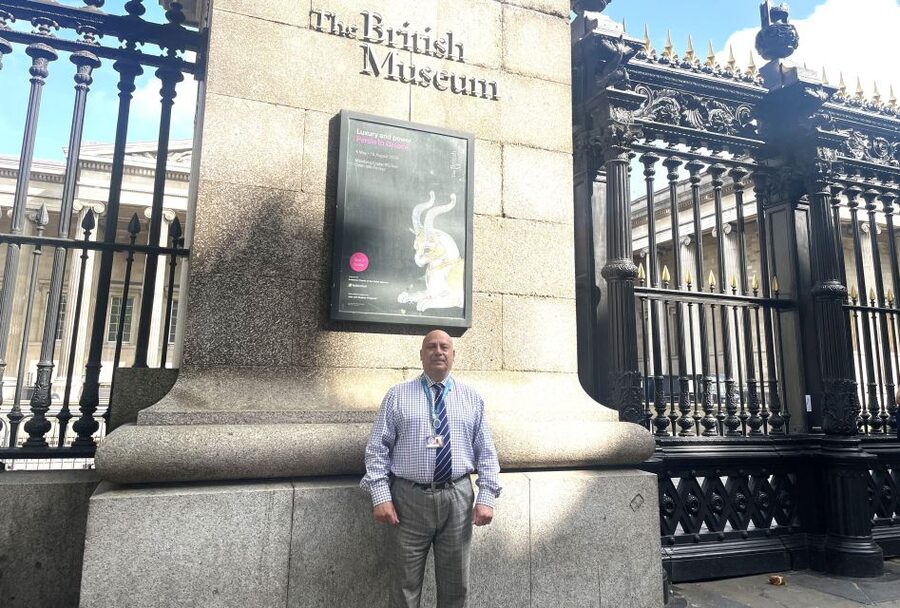
Your meeting point is outside the British Museum on Great Russell Street. Look to the left of the main entrance gates, to the right of the red telephone boxes, opposite Starbucks. The meeting instructions are unusually precise because the museum entrance area can be confusing.
Arrive 15 minutes early. The tour uses an express security check, and being late can spoil the start of a private appointment. The guide has been identified in the supplied material as Anthony Matthews, also called Tony in several family bookings. Look for the guide information and photographs provided with your reservation.
There is no transportation included, so you make your own way to the museum. Food and drinks are also not included. Plan a snack or meal before or after the visit rather than expecting a break during the 2.5-hour tour.
The Rosetta Stone and the Egyptian galleries
The Rosetta Stone is the natural opening point for many people. It is one of those objects you may already recognize from books and documentaries, but a guide gives you the key to understanding its importance.
The stone carries the same decree in more than one writing system. That repetition helped scholars work out Egyptian hieroglyphics, making it a turning point in the study of ancient Egypt. The value of seeing it with Anthony is the explanation of how language, archaeology, and comparison came together.
One especially unusual detail from the guide’s background is his ability to read multiple languages represented on the stone, including hieroglyphics. You should not expect a full language lesson in a short tour, but this sort of expertise can make the display feel less remote.
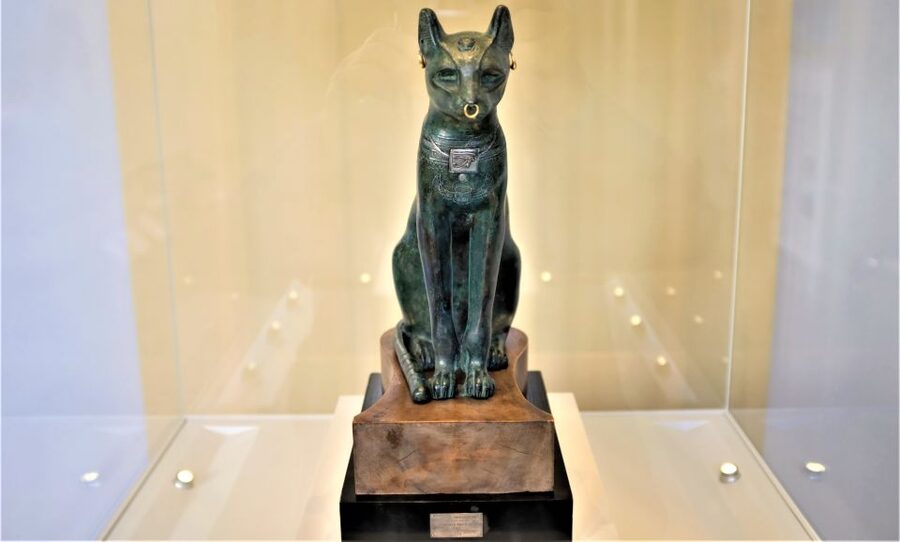
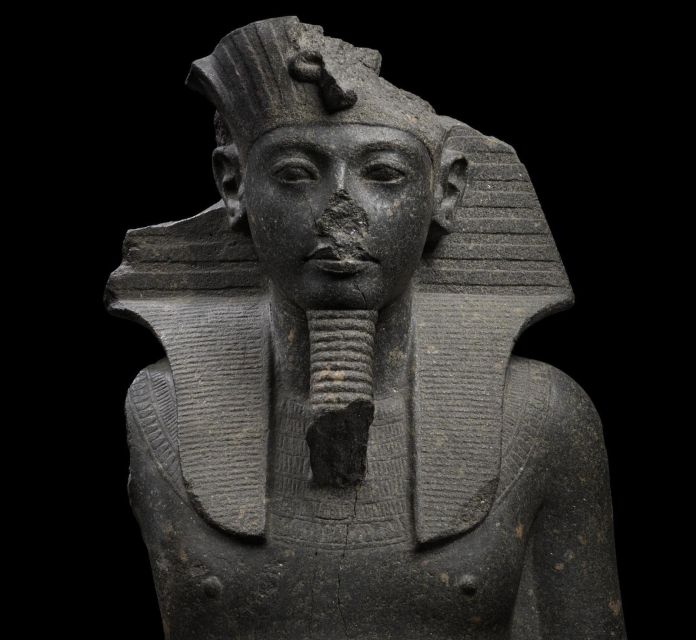
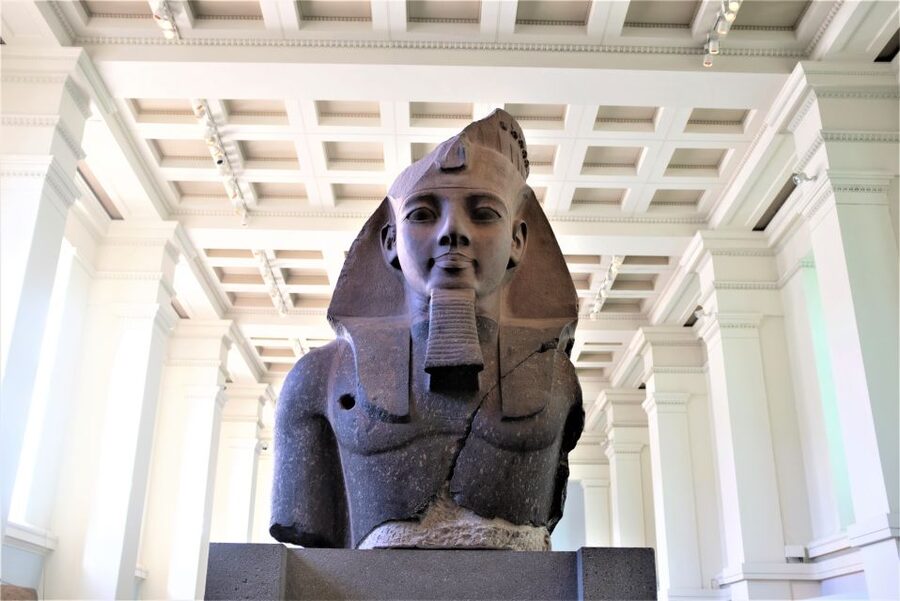
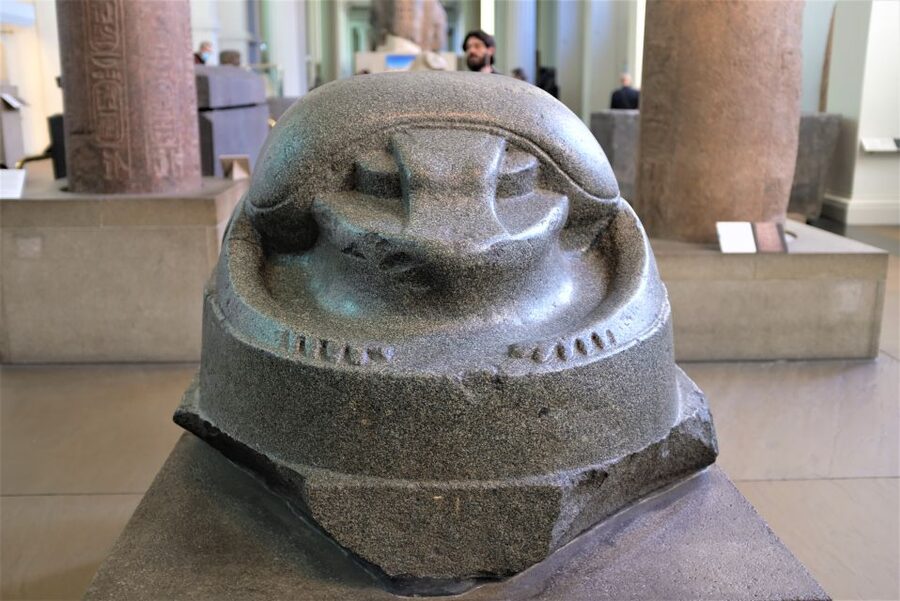
The Egyptian section also includes a statue of Tutankhamun, a great statue of Ramesses II, a sacred metal cat, and a giant scarab beetle. These objects offer different ways into Egyptian belief and royal power. You hear about Tutankhamun’s death and why his burial became such a famous archaeological mystery.
The tour description refers to Tutankhamun as the only pharaoh whose grave was never discovered. That point should be treated as part of the guide’s presentation, since the wording is simplified, but it gives you a useful route into the story of royal tombs and archaeological investigation.
The Egyptian collection is extensive, so the tour cannot cover every period or object. That is both its strength and its limit. You get a guided selection with a story, not a complete survey.
Greek sculpture, Athens, and Sparta
The Greek section shifts the focus from Egyptian kingship to civic identity, art, architecture, and conflict. The Parthenon sculptures are the main attraction, and the tour explains why their display space is architecturally so carefully designed.
That setting matters. The room is not just a container for ancient sculpture. Its proportions and arrangement help you think about how the sculptures originally worked as part of a larger building. A guide can point out relationships between fragments that are easy to miss when you walk through alone.
The discussion also includes Athens and Sparta. These names often get reduced to simple opposites, with Athens treated as the city of ideas and Sparta as the city of soldiers. A good guide can make the comparison more useful by placing both societies within the wider Greek world.
The Parthenon sculptures can also raise difficult questions about ownership and removal. The supplied details do not promise a full discussion of the current debate, so do not book this tour specifically for a long treatment of museum ethics. Its main purpose is to explain the objects, their cultural setting, and the design of the gallery.
Still, the private setting gives you room to ask. If repatriation, archaeology, or the history of collecting matters to you, raise the subject with Anthony. The private format is at its best when you use it actively.
More Tickets in London
- London: The London Eye Entry Ticket
★ 4.6 · 35,875 reviews - London: Tower Bridge Entry Ticket
★ 4.7 · 15,560 reviews - London: Westminster Abbey Entrance Ticket
★ 4.6 · 11,254 reviews - London: St Paul’s Cathedral Entry Ticket
★ 4.7 · 9,813 reviews
Rome through glass, armor, and imperial power
The Roman section provides another change in scale. Instead of concentrating on one famous monument, the tour uses objects to explain how Rome expanded around the Mediterranean and how its power was expressed.
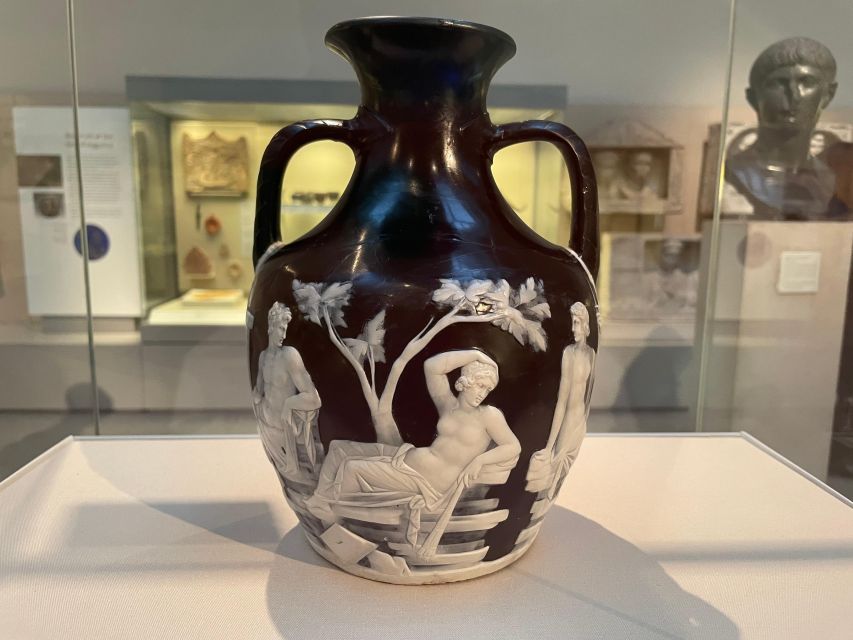
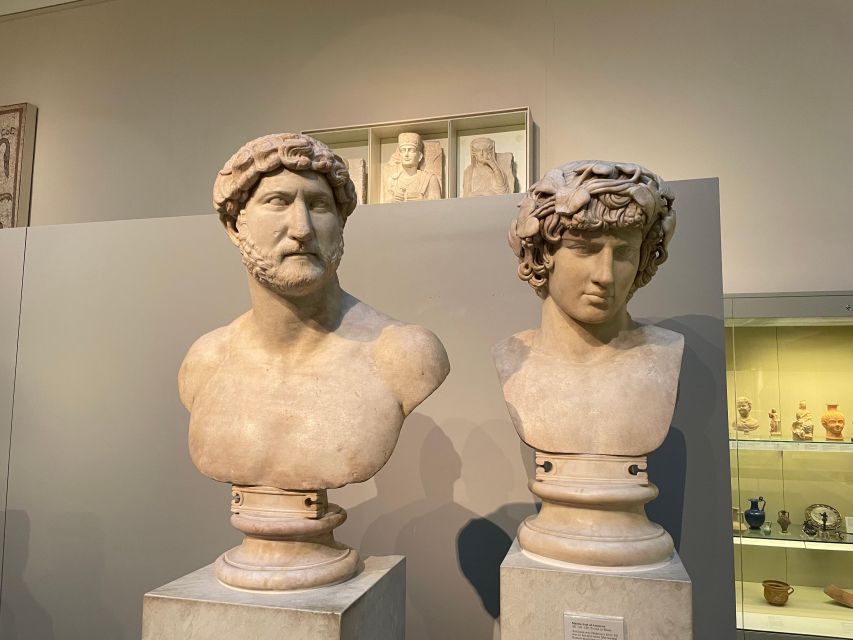
You may see a gladiator’s helmet, brilliantly made Roman glass, and a bust of a major Roman emperor. Each object opens a different window. The helmet brings in the public spectacle of the arena. The glass shows technical skill and luxury. The imperial bust brings you face to face with the political image Rome wanted to project.
The route also asks how Rome managed to conquer and hold territory bordering the Mediterranean. That question gives the section a useful thread. You are not just looking at isolated antiques. You are considering military expansion, administration, public image, and the movement of people and goods.
Roman objects can be visually less dramatic than a monumental statue, especially for children. Anthony’s storytelling is important here. His ability to mix hard facts with humor has helped keep teenagers and younger children involved, according to the supplied family experiences.
If your group is especially interested in Rome, tell the guide early. The advertised route includes several cultures, so extra time in one section may mean less time elsewhere.
Sutton Hoo and the Anglo-Saxon world
Sutton Hoo gives the tour a strong British chapter. After Egypt, Greece, and Rome, the burial site brings you into the Anglo-Saxon world that shaped early England.
The central question is the mystery of the burial. The objects connect you with elite status, ceremony, craftsmanship, and contacts between Britain and the wider world. Sutton Hoo is not simply a collection of old metalwork. It is evidence of a society whose politics, beliefs, and international links are still being pieced together.
This stop may be especially useful if you have spent time hearing about Roman Britain and want to understand what came after Rome. The tour does not present British history as separate from the rest of Europe. Instead, the collection helps show how cultures change, borrow, trade, and compete.
The Sutton Hoo material also makes a good final chapter because it brings the story closer to England. You finish with a better sense of how the country developed after the Roman period, rather than leaving the museum with your attention fixed only on Egypt and classical Greece.
Anthony Matthews as your guide
The guide is the heart of this experience. Anthony Matthews is described as a retired archaeologist, and his professional background shapes the tour. His strength is not just knowing dates and names. He explains how archaeologists interpret objects and how small details can reveal a society.
His style is conversational, energetic, and humorous. That matters because a 2.5-hour museum tour can become tiring if it is delivered as a lecture. Families with children aged 8, 9, 10, 12, 13, and 16 found ways to stay involved, while older adults also appreciated his patience and clarity.
Anthony has also been praised for tailoring the route. One group gave him a list of interests and received a planned visit built around those priorities. Another family used his experience to reach high-interest displays quickly before spending more time on the objects they cared about.
You should still arrive with a short wish list. Tell him if your priorities are Egypt, classical art, Roman history, archaeology, or Sutton Hoo. You may not see every requested object in detail, but the guide can make sensible choices within the time available.
The repeated strength of this tour is the combination of expertise and delivery. A guide can know a great deal and still make a museum dull. Here, Anthony’s humor, enthusiasm, and willingness to answer questions appear to be central to the experience.
Is $337 good value for six people?
The price is $337 for a private group of up to six. That is expensive compared with simply entering a museum on your own, particularly for one or two people.
The comparison changes when you fill the group. Six people pay about $56 each, which is easier to justify for a private appointment with a specialist guide and included entry tickets. You are also paying for preparation, route planning, personal questions, and the time saved by avoiding a random walk through the galleries.
I would be less likely to recommend it to a solo visitor or couple on a tight budget. The British Museum can be visited without this expense, and you could choose a shorter general introduction or explore independently.
I would consider it good value for a family, two couples, or a group of friends who want one efficient museum visit. It is also useful if London is part of a short trip and you do not have a spare day to wander through the collection.
The strongest value comes from the guide’s ability to make the objects meaningful. If you only want to photograph famous pieces, the price is hard to defend. If you want to understand what you are seeing and ask questions along the way, the calculation looks better.
Timing, access, and practical limits
The tour lasts 2.5 hours, although some supplied experiences describe it as roughly two hours. Allow the full advertised time and avoid scheduling another fixed appointment immediately afterward.
You skip the regular line through an express security check, but this does not mean you can arrive at the last moment. Be early, find the exact meeting point, and remember that the tour runs rain or shine.
The experience is wheelchair accessible. You should still communicate any mobility needs in advance if your group includes someone who may need a slower pace, since the museum visit involves moving between galleries.
Audio recording is not allowed. You can take in the explanations and ask questions, but plan to make written notes only if that suits the guide’s rules and the museum’s policies.
Free cancellation is available up to 24 hours in advance for a full refund, and you can reserve now and pay later. Those terms help if your London schedule is still changing, but check the conditions at booking.
Who should book this British Museum tour?
This is a strong choice for families, especially when adults and children have different attention spans. The private guide can change the tone, ask questions, use humor, and avoid turning the visit into a march past unreadable labels.
It also suits adults who want an efficient first look at the museum. You get a broad route through Egypt, Greece, Rome, and Sutton Hoo without trying to cover every room.
History and archaeology fans will get the most from Anthony’s approach. His explanations appear to go beyond basic object labels, with attention to excavation, interpretation, language, burial, and cultural contact.
I would hesitate if you prefer a slow, self-directed visit, want to spend an entire day in one collection, or are mainly interested in sections not listed in the route. A private tour is focused by design, and focus means leaving some galleries for another visit.
FAQ
How long is the British Museum private tour?
The advertised duration is 2.5 hours. Some experience details describe visits of around two hours, so you should plan for the full 2.5-hour time period.
How many people can join the private group?
The price covers a private group of up to six people.
What does the price include?
The price includes the private tour, the guide, and entry tickets to the British Museum.
What is not included?
Transportation, food, and drinks are not included.
Where do I meet the guide?
Meet to the left of the main entrance gates on Great Russell Street, to the right of the red telephone boxes and opposite Starbucks.
Is the tour offered in English?
Yes. The live tour guide service is in English.
Can I cancel the booking?
You can cancel up to 24 hours in advance for a full refund. Reserve now and pay later is also available.
Should you book it?
Book this tour if you want the British Museum to make sense quickly, especially with children or a group of up to six. Anthony Matthews brings archaeological experience, clear explanations, humor, and a knack for keeping different ages involved. Arrive early, bring a short list of priorities, and use the private format to ask questions.
Skip it if you are on a tight budget or prefer to wander alone. For everyone else, the cost is easiest to justify when shared among four to six people. This is not a complete museum visit, but it is a focused, human way to meet some of its greatest objects.
Recently added around London
- PRIVATE HIRE 45 min Speedboat Tour – Embankment/Westminster Pier★ 5.0 · 55 reviews
- Private Tour of London’s Historic Pubs★ 5.0 · 55 reviews
- From London: Glastonbury and Cheddar Gorge Guided Day Trip★ 4.8 · 55 reviews
- London: Kew to Westminster River Thames Cruise★ 4.2 · 55 reviews
- Gatwick Airport Taxi – Private Transfer to/from London★ 5.0 · 55 reviews
- London by Night – Tootbus Sightseeing Tour★ 3.5 · 55 reviews
- London: Tower of London After Hours Tour and Key Ceremony★ 4.8 · 56 reviews
- Private Round Trip Transfer between London Airports and Hotel★ 3.5 · 56 reviews
Museums, compared.

Liverpool Football Club Museum and Stadium Tour
Read our review →
Tower of London and Crown Jewels Exhibition Ticket
Read our review →
Chelsea Football Club Stadium and Museum Tour
Read our review →




Browse the lists this tour appears in