
Reviewed · MUSEUMS
London: National Gallery of London Masterpieces Guided Tour
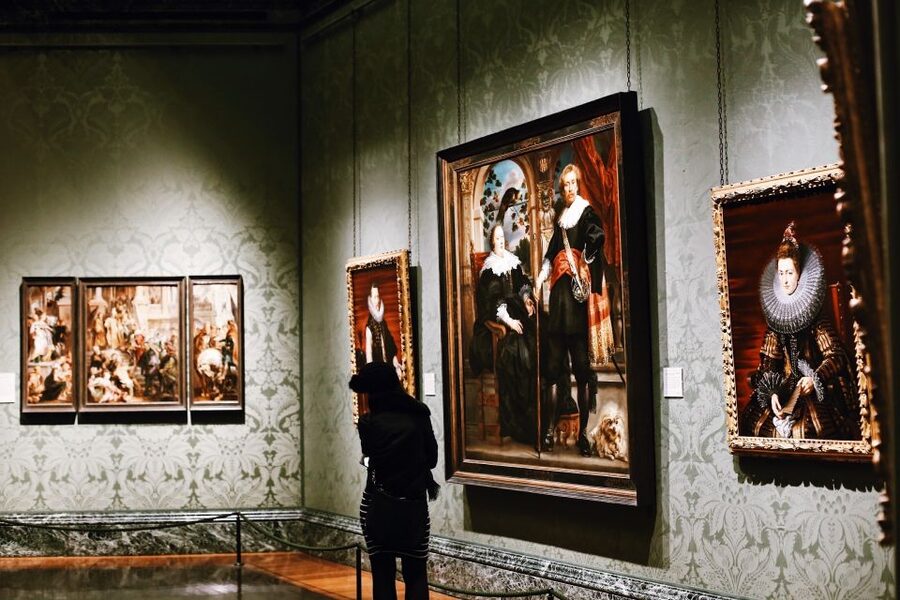
Great art needs a good guide. This 2.5-hour National Gallery tour gives you a clear route through centuries of painting, from devotional works of the 1300s to Seurat’s early modern style. I like the way it focuses on major paintings rather than trying to cover every room, and the small groups of up to eight people allow for questions and conversation.
I also like the range of artists included. You can see works by Botticelli, Leonardo da Vinci, Velázquez, Vermeer, Rembrandt, Monet, Van Gogh, Raphael, and Seurat in one carefully paced visit. The possible drawback is the price: at $112 per person, it costs far more than a self-guided visit, and the tour does not include temporary exhibitions.
The strongest part of the experience is the guide. Jake, Stephanie, Matilda, Becky, Alex, and other guides have earned repeated praise for making complex art easy to follow. Stephanie was especially good at keeping a group engaged in a noisy gallery, while Jake’s clear explanations worked well for people speaking English as a second language.
In This Review
- Key Points to Know Before You Book
- Starting With the National Gallery’s Oldest Paintings
- Botticelli’s Venus and Mars
- Leonardo’s The Virgin of the Rocks
- Vermeer, Rembrandt, and the Quiet Power of Looking
- Velázquez’s Rokeby Venus and the Question of Beauty
- Van Gogh’s Sunflowers and the Tour’s Big Crowd-Pleaser
- From Monet to Seurat’s Bathers at Asnières
- Why the Small Group Format Matters
- Is $112 a Fair Price?
- Timing, Walking, and What to Bring
- Who Will Get the Most From This Tour?
- Should You Book the National Gallery Masterpieces Tour?
- FAQ
- How long does the National Gallery tour last?
- How large are the tour groups?
- Which artists and paintings are included?
- Is the tour offered in languages other than English?
- Are temporary exhibitions included?
- What should I bring, and are large bags allowed?
Key Points to Know Before You Book
- A 2.5-hour route through major paintings: You move from 1300s religious art to early 20th-century works without spending too long in any one room.
- Small groups capped at eight people: The format is more personal than a large museum walk, with room for questions and discussion.
- A strong guide makes the difference: Guides such as Jake, Stephanie, and Matilda are praised for clear speech, energy, and useful art-history context.
- Major names, not obscure filler: The route can include Botticelli, Da Vinci, Vermeer, Van Gogh, Velázquez, Raphael, Monet, Rembrandt, and Seurat.
- Good for first-time National Gallery visitors: You get a sensible introduction before deciding which artists or rooms deserve a longer return visit.
- Bring ID and leave large luggage behind: A small amount of walking is involved, and wheelchair access must be arranged in advance.
Starting With the National Gallery’s Oldest Paintings

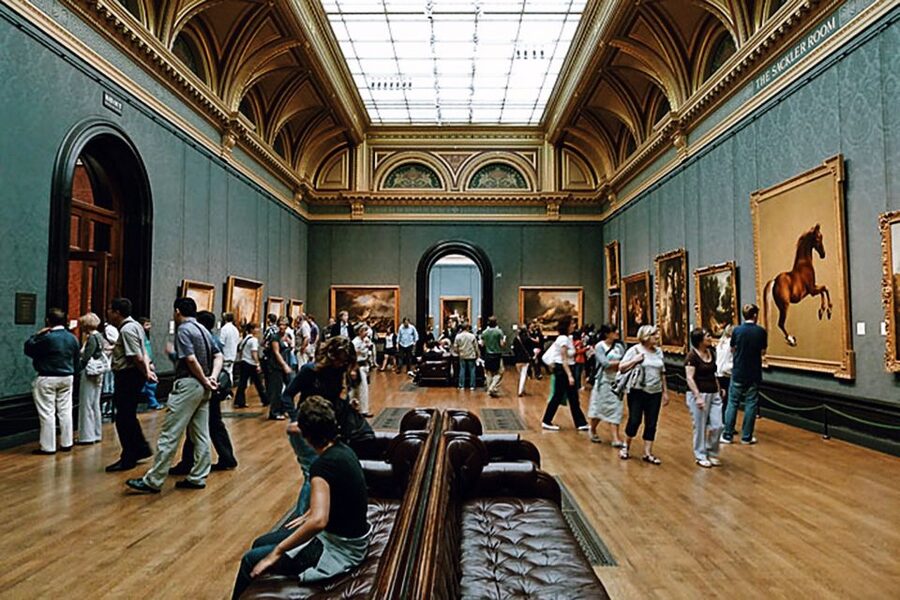
The National Gallery can feel like an art-history exam if you enter without a plan. Its collection stretches from the 1300s onward, and the rooms move between religious panels, royal portraits, mythological scenes, and modern experiments. A guide gives you a thread to follow.
The tour begins with the development of European painting. Early devotional works help explain how artists used symbols, color, and composition to serve religious purposes. Raphael’s paintings are part of this wider story, showing how artists brought greater balance, human feeling, and control to sacred subjects.
I find this opening valuable because it gives you a way to look rather than simply a list of dates. You learn to ask why a figure is posed in a certain way, why an object appears in a scene, or how an artist directs your eye across a panel.
This section may be less immediately exciting for children or anyone who came mainly to see Sunflowers. Still, it gives the later paintings more meaning. Once you understand the conventions of early devotional art, the changes introduced by later painters become easier to spot.
More Museum Visits:
- Liverpool: Liverpool Football Club Museum and Stadium Tour
★ 4.8 · 10,764 reviews - Tower of London and Crown Jewels Exhibition Ticket
★ 4.5 · 6,677 reviews - London: Chelsea Football Club Stadium and Museum Tour
★ 4.8 · 4,576 reviews
Botticelli’s Venus and Mars
Botticelli’s Venus and Mars provides one of the tour’s most memorable stops. The panel uses a mythological scene, but it also raises questions about power, love, sleep, and human weakness.
Venus remains alert while Mars sleeps. Small figures play around the sleeping god of war, handling his weapons and armor. The image rewards close looking, especially when your guide points out details that are easy to miss from a few steps away.
This is where live commentary earns its keep. You can certainly admire the painting alone, but a good explanation helps you connect the figures, symbols, and story. The best guides do not merely tell you what you are seeing. They ask you to look again and notice how the scene works.
The gallery contains many famous paintings, so it is tempting to hurry from one big name to another. A stop such as this reminds you that a painting can be famous for more than its subject. Its arrangement, details, and cultural setting matter just as much.
Leonardo’s The Virgin of the Rocks

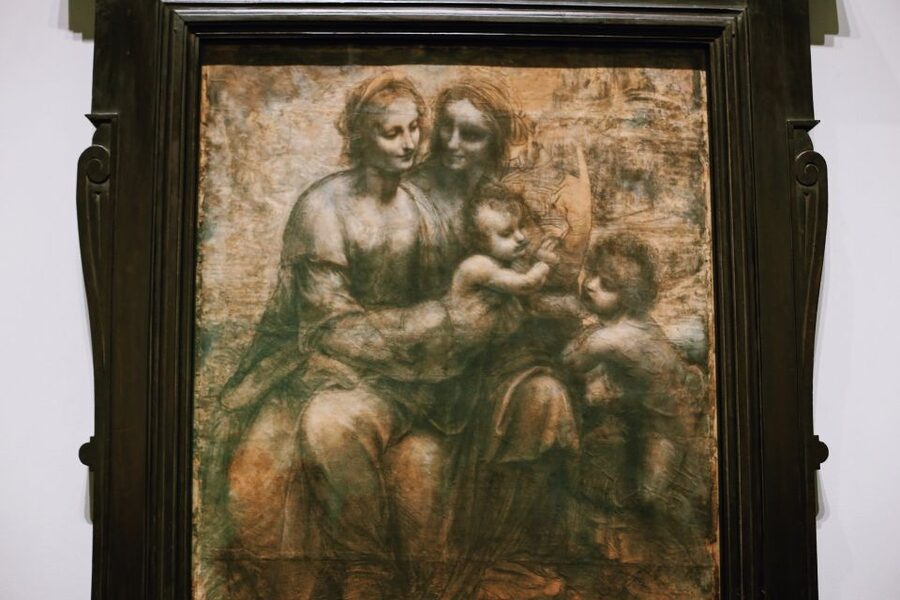
Leonardo da Vinci’s The Virgin of the Rocks is another central point on the route. The painting offers a chance to consider Leonardo’s soft transitions between light and shadow, his arrangement of the figures, and the mysterious rocky setting.
A guide can help you compare the gentle expressions and gestures of the figures with the unusual natural setting around them. The scene feels both tender and slightly strange, which gives the painting its lasting pull.
This is also a useful moment to think about how artists guide attention. Leonardo does not need loud color or dramatic action to hold your eye. The arrangement of the figures and the subtle changes in tone do much of the work.
The tour does not promise an exhaustive study of every Leonardo work or every technical debate surrounding the painting. That is part of the bargain. You receive a focused explanation, then continue through the collection rather than spending the full morning on one canvas.
Vermeer, Rembrandt, and the Quiet Power of Looking
The route includes Vermeer’s Lady Standing at a Virginal, a painting that rewards patience. The scene is quiet, domestic, and carefully controlled. A woman stands beside a musical instrument, and the room’s light, objects, and spacing create much of the interest.
Vermeer’s art often asks you to slow down. Your guide may draw attention to the way light falls across the room, how the figure relates to the instrument, or how an ordinary interior becomes carefully composed.
Rembrandt brings a different kind of human presence. His paintings are useful for understanding the power of light, texture, and expression. His figures often feel less polished than idealized Renaissance subjects, which makes them seem more direct and emotionally present.
These stops are especially good for people who enjoy stories about how artists worked and how styles changed. You are not just collecting famous names. You are seeing the shift from religious and mythological subjects toward intimate scenes, portraits, and everyday life.
A few more trips worth a look before you book
- Magical London: Harry Potter Guided Walking Tour
★ 4.7 · 22,044 reviews - Oxford University Walking Tour With University Alumni Guide
★ 5.0 · 6,905 reviews - Edinburgh Castle: Guided Walking Tour with Entry Ticket
★ 5.0 · 5,540 reviews - London: Emirates Stadium Entry Ticket and Audio Guide
★ 4.7 · 5,513 reviews
Velázquez’s Rokeby Venus and the Question of Beauty
Velázquez’s Rokeby Venus adds a different mood to the tour. The painting presents Venus seen from behind, with her face reflected in a mirror held by Cupid. That unusual viewpoint makes the work worth studying closely.
The image is graceful, but it also makes you think about who is looking and how beauty is presented. A guide can point out the role of the mirror and the way the painting avoids a straightforward frontal portrait.
This is one of the moments where historical context helps. A painting from an earlier period can feel distant if you only see the surface. An explanation of its subject, pose, and artistic choices gives you a better sense of why it mattered and why it still draws attention.
The tour’s selection of works such as Venus and Mars and Rokeby Venus also keeps the subject matter varied. You move from mythological stories to domestic interiors, religious scenes, and portraits rather than seeing one narrow type of painting.
Van Gogh’s Sunflowers and the Tour’s Big Crowd-Pleaser
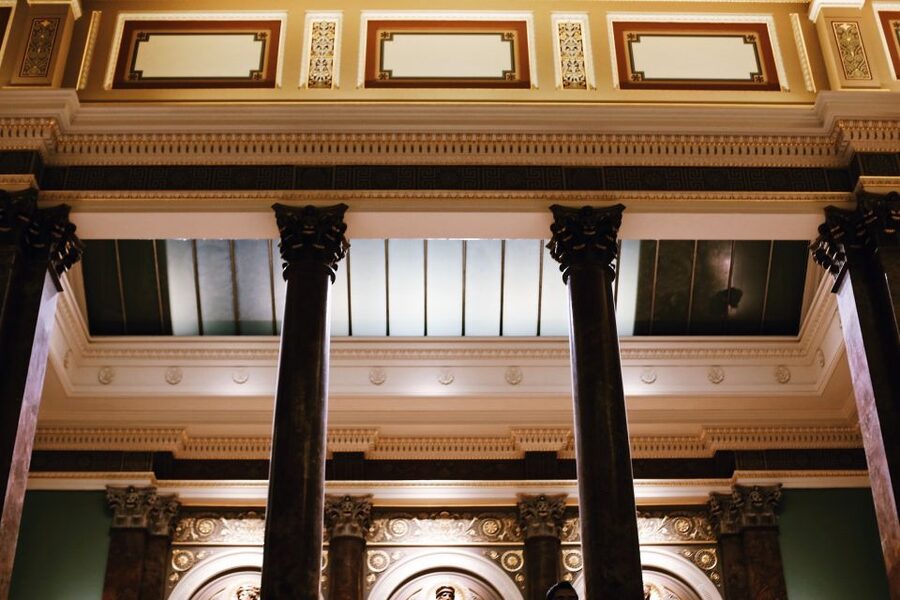
Van Gogh’s Sunflowers is likely to be the painting many people are waiting for. The yellow blooms and forceful brushwork are instantly recognizable, but the guide can help you look beyond the postcard image.
Pay attention to the way the paint sits on the canvas. Van Gogh’s marks make the flowers feel physical and energetic. The painting is not only about bright color. It is also about rhythm, surface, and the tension between flowers at different stages of life.
This stop can be busy, and a crowded room may make it harder to hear. One visitor specifically wished for Bluetooth headsets because gallery noise sometimes made the guide difficult to follow. That is a fair concern, especially if you have hearing difficulties.
Another visitor who uses hearing aids found Stephanie easy to understand even in a crowded museum. That suggests the experience can work well, but your position in the group still matters. Stay close to the guide and do not hesitate to ask for a point to be repeated.
Sunflowers is also a good example of the tour’s teaching method. You see a beloved painting, but you also place it in the longer story of changing brushwork, color, and artistic expression.
From Monet to Seurat’s Bathers at Asnières
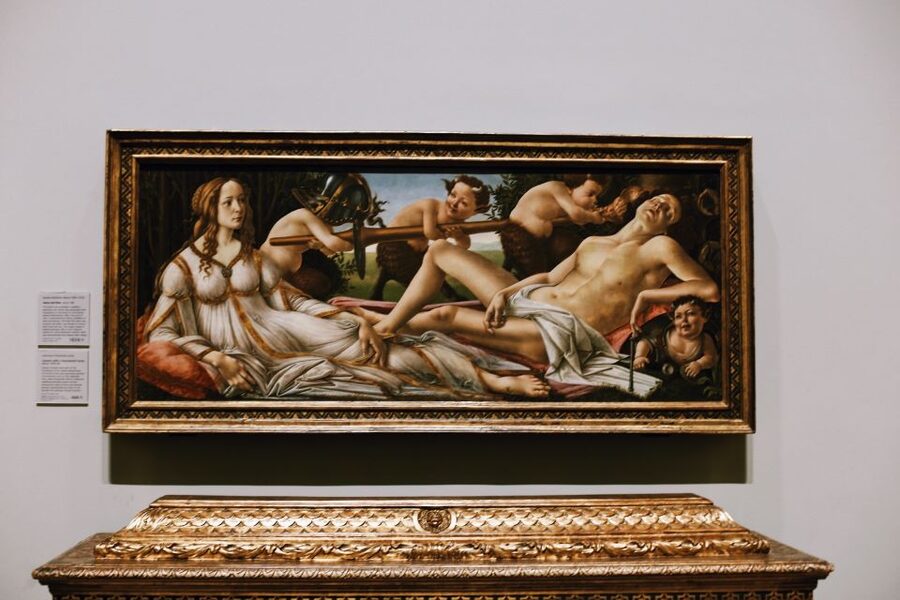
The final part of the route moves toward modern painting. Monet helps show how artists became more interested in changing light and the effects of seeing rather than simply recording a scene in a precise, traditional way.
Seurat’s Bathers at Asnières then pushes the story in another direction. Its figures, color, and measured technique show a new approach to organizing an image. After seeing early devotional panels and Renaissance compositions, the change is striking.
The value of this sequence is comparison. You can see that art history is not a straight march toward something better. Artists make different choices in response to new ideas, new subjects, and new ways of thinking about color and perception.
A strong guide helps you notice those links without turning the visit into a lecture. Jake was praised for choosing paintings that kept the group interested while explaining the development of painting from the Middle Ages toward neo-impressionism. That is exactly the sort of structure a first visit needs.
Why the Small Group Format Matters
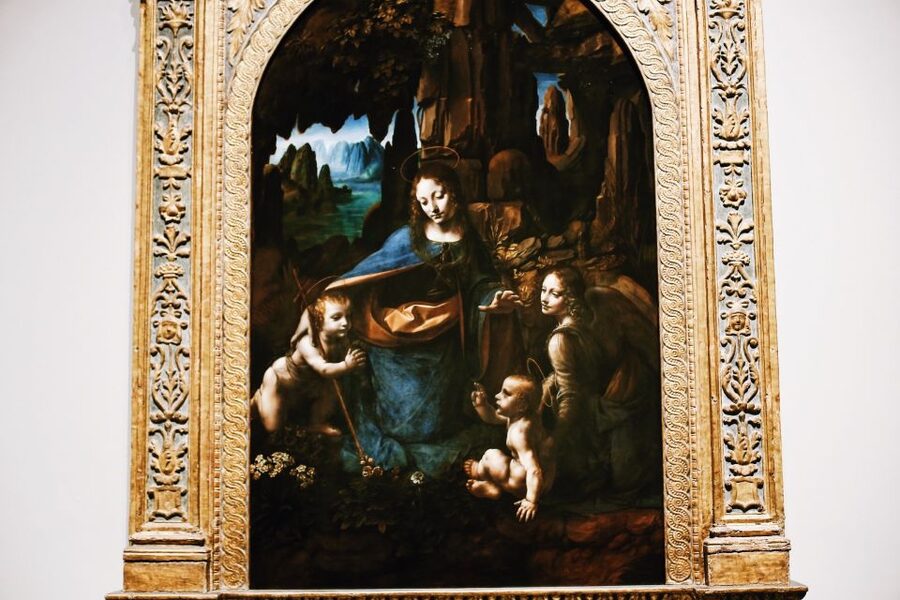
The small group option allows no more than eight people. That is a useful size for a museum because you can usually stay close enough to hear and see the guide without being part of a large moving crowd.
The tour also offers a private option. A private visit can make sense if you want to ask many questions, have a family with different ages, or prefer to set the pace around a few favorite artists.
The shared group is likely the better value if you are comfortable following the guide’s route. The tour has a minimum of two people, and if that number is not reached, you may be offered another date or a full refund.
The guides’ personal styles vary. Jake has been praised for clear, accessible explanations and strong art-history links. Stephanie is noted for her enthusiasm and ability to create discussion. Matilda is praised for explaining the broader development of art while remaining patient and kind.
That variety is worth keeping in mind. The company assigns the guide, so you cannot assume you will receive a particular person. Still, the consistent praise for the guides suggests that the human element is one of the tour’s main strengths.
Is $112 a Fair Price?
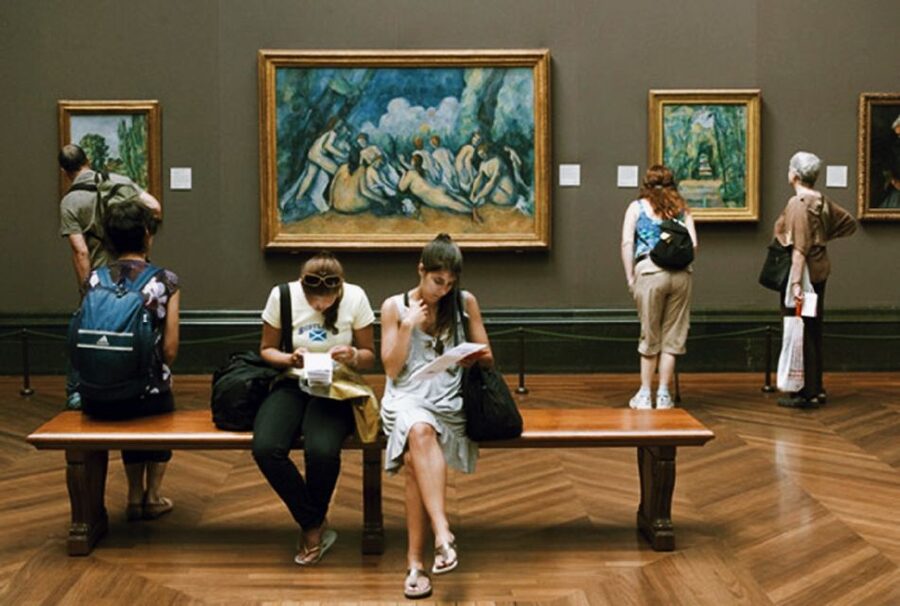
At $112 per person, this is not a budget museum visit. The National Gallery itself may be visited without paying a general admission charge, so you are paying for the guide, the route, the interpretation, and the convenience of having someone make sense of the collection.
I think the price is easiest to justify if you are visiting London for a short time, feel unsure about art, or want to see the key works without wandering for hours. It is also useful for families with teenagers. One guide was praised for sparking the curiosity of two teenage daughters, which is no small achievement in a museum.
The value is weaker if you already know the National Gallery well or prefer to read labels and follow your own interests. You will see only a selection of the collection, and temporary exhibitions cost extra.
For many first-time visitors, the tour works as an introduction. You can return later to spend more time with Van Gogh, Vermeer, or the early paintings that caught your attention. Think of the fee as paying for a strong first map, not a complete survey of the museum.
Timing, Walking, and What to Bring
The tour lasts about 2.5 hours, though daily schedules may run from two to 2.5 hours. That is long enough to build a story but short enough to fit around other London plans.
A small amount of walking is involved. You should wear comfortable shoes, although this is not a strenuous activity. The meeting point can vary with the option you book, so check your confirmation carefully before setting out.
Bring a passport or ID card. Large bags and luggage are not allowed, so leave suitcases elsewhere and avoid arriving with more than you can comfortably carry.
Food and drinks are not included. Temporary exhibitions are also outside the tour price. The guide is included, and the experience is conducted in English.
Wheelchair-friendly tours may be available on request, but the activity is also described as unsuitable for wheelchair users. If access is important to you, ask before booking rather than relying on the standard shared tour.
Free cancellation is available up to 24 hours before the activity for a full refund, and you can reserve now and pay later. Those options are useful when your London schedule is still changing.
Who Will Get the Most From This Tour?
I would choose this tour if you want an organized first look at the National Gallery and prefer explanations to silent wandering. It suits couples, families, solo visitors, and small groups who want a human guide without joining a large crowd.
It is particularly good for:
- First-time visitors to the National Gallery
- People who want context for famous paintings
- Families with older children or teenagers
- Visitors who have limited time in London
- Anyone who enjoys asking questions during a museum visit
- People who want a route linking medieval, Renaissance, Baroque, Impressionist, and neo-impressionist art
You may want to skip it if your main aim is a temporary exhibition, if you need a fully independent schedule, or if $112 feels too high for a guided museum visit.
Should You Book the National Gallery Masterpieces Tour?
Book it if you want the National Gallery to feel connected rather than overwhelming. The route gives you major works by Botticelli, Da Vinci, Vermeer, Velázquez, Van Gogh, and Seurat, while the guide explains how painting changed across the centuries.
I especially like the small group size, the range of artists, and the repeated praise for guides who make art friendly rather than intimidating. The main cautions are the high price, English-only commentary, possible noise in crowded rooms, and the fact that you see highlights rather than the entire collection.
For a first visit, this is a useful investment in understanding what you are looking at. After the tour, you can return on your own and give your favorite paintings the time they deserve.
FAQ
How long does the National Gallery tour last?
The tour lasts 2.5 hours. Daily tours are also described as taking between two and 2.5 hours, depending on the scheduled option.
How large are the tour groups?
The experience is available as a private tour or a small group tour with a maximum of eight people. Shared small group tours require at least two participants.
Which artists and paintings are included?
The route can include works by Botticelli, Leonardo da Vinci, Velázquez, Vermeer, Rembrandt, Monet, Van Gogh, Raphael, and Seurat. Specific works named include Venus and Mars, The Virgin of the Rocks, Rokeby Venus, Lady Standing at a Virginal, Sunflowers, and Bathers at Asnières.
Is the tour offered in languages other than English?
No. The listed tour language is English, with a live English-speaking guide.
Are temporary exhibitions included?
No. Temporary exhibitions are not included in the tour price.
What should I bring, and are large bags allowed?
Bring a passport or ID card. Luggage and large bags are not allowed. A small amount of walking is involved, and wheelchair-friendly tours must be requested in advance.
Recently added around the UK
- PRIVATE HIRE 45 min Speedboat Tour – Embankment/Westminster Pier★ 5.0 · 55 reviews
- Cairngorms & Whisky Day Tour from Inverness Including Admission★ 5.0 · 55 reviews
- From Edinburgh: Islay and The Whisky Coast 4-Day Tour★ 4.9 · 55 reviews
- Fantastic Creatures of Edinburgh, and where to find them!★ 4.5 · 55 reviews
- E-bike excursion exploring the Purbecks★ 5.0 · 55 reviews
- ‘A Wee Pedal’s’ Family Friendly Cycle Tour to Edinburgh’s Coast★ 5.0 · 55 reviews
- Private Tour of London’s Historic Pubs★ 5.0 · 55 reviews
- From London: Glastonbury and Cheddar Gorge Guided Day Trip★ 4.8 · 55 reviews
Museums, compared.

Liverpool Football Club Museum and Stadium Tour
Read our review →
Tower of London and Crown Jewels Exhibition Ticket
Read our review →
Chelsea Football Club Stadium and Museum Tour
Read our review →




Browse the lists this tour appears in